
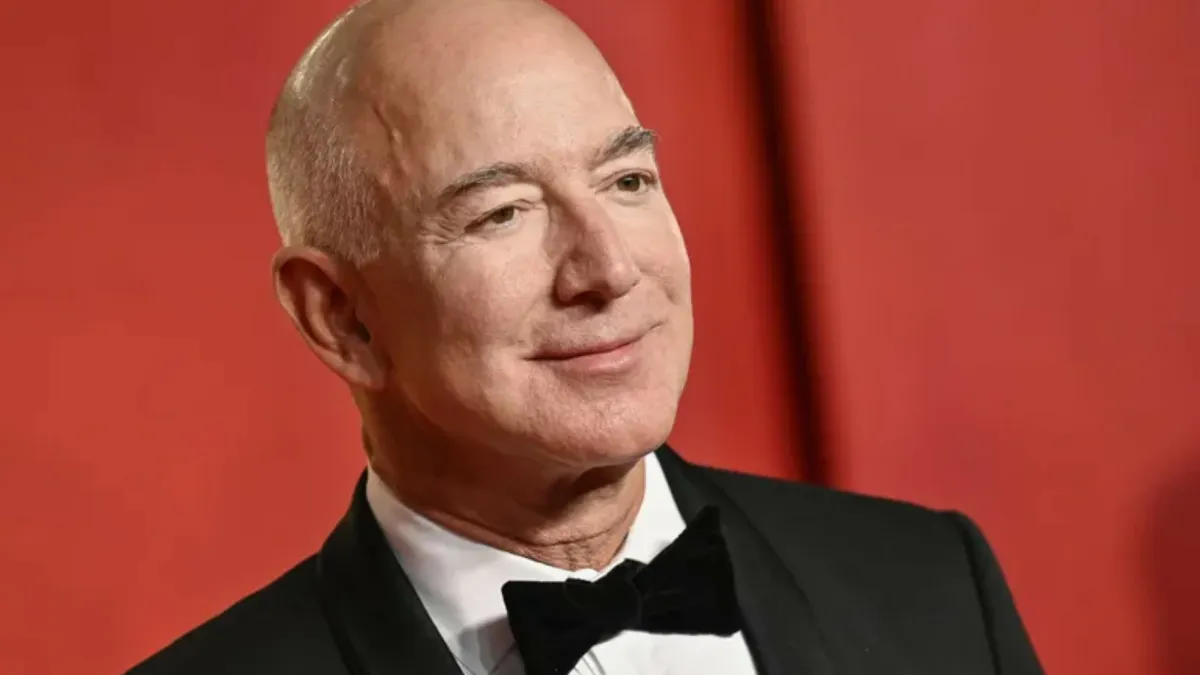
Concerns Rise Over AI Control by Billionaires Amid Economic Inequality
📋 Key Takeaway: Public sentiment towards artificial intelligence is increasingly negative, with concerns over its control by a small group of billionaires and its potential economic impact.
Public Sentiment and Economic Concerns
Artificial intelligence (AI) is rapidly permeating daily life, with applications in email management, search engines, and customer service. Despite its potential benefits, a recent Pew Research Center survey indicates that half of American adults view AI with more concern than excitement. This skepticism stems from fears about job displacement and the broader economic ramifications that unchecked AI development could produce.
Historically, society has adapted to disruptive technologies like the cotton gin and the automobile, which transformed industries and lifestyles. However, AI is perceived as different due to its immense capabilities and the speed at which it can replace human productivity, potentially leading to widespread unemployment and economic instability.
Concentration of Power Among Billionaires
The primary concern surrounding AI is its concentration in the hands of a small number of wealthy individuals, particularly those leading major U.S.-based technology firms. The influence of these billionaires extends beyond their companies; they also wield significant power over political systems, particularly following the 2010 Supreme Court ruling in Citizens United v. Federal Election Commission, which dramatically increased the potential for political spending by wealthy individuals.
The increase in political contributions from billionaires has led to a tax system that favors the ultra-wealthy, allowing them to evade significant tax burdens while the general populace faces growing economic inequality. This disparity raises questions about accountability and governance in the AI sector, as many of these billionaires invest heavily in AI projects to enhance their influence and control.
The Need for Regulatory Oversight
To address the potential risks associated with AI, experts argue for the necessity of government regulation. The unchecked growth of social media platforms has demonstrated the dangers of allowing powerful technologies to develop without oversight, as these companies often prioritize profit over public safety. The current administration’s reluctance to regulate AI, influenced by the interests of its wealthy creators, poses a significant risk to society.
As James Madison articulated in The Federalist Papers, the absence of accountability among powerful individuals necessitates government intervention. The potential for AI to be wielded irresponsibly by a select few underscores the urgency for regulatory frameworks that prioritize public interest and mitigate the risks associated with this transformative technology.
Frequently Asked Questions
What are the main concerns regarding AI technology?
The primary concerns include job displacement, economic inequality, and the concentration of power among a few wealthy individuals.
How has political spending changed since the Citizens United ruling?
Political spending by billionaires has increased dramatically, with outside spending on presidential campaigns rising from $574 million in 2008 to $4.5 billion in 2024.
Why is regulation of AI considered necessary?
Regulation is necessary to ensure public safety and accountability, preventing the potential misuse of AI by powerful individuals and companies.
What historical examples illustrate the impact of disruptive technology?
Technologies like the cotton gin, automobile, and computer have historically transformed industries and societies, often leading to significant economic shifts.
How do billionaires influence AI development?
Billionaires control major technology firms and invest heavily in AI, shaping its direction and impact on society, often without adequate oversight.