Labour Party Faces Electoral Crisis as Leadership Questions Arise
📋 Key Takeaway: The Labour Party is poised for significant electoral setbacks this week, prompting intense speculation about the future of leader Sir Keir Starmer and potential successors.
Electoral Setbacks Loom for Labour Party
The Labour Party is bracing for what could be one of the most challenging electoral nights in its history, with predictions from experts like Professor Sir John Curtice indicating a potential vote share as low as 19 percent. This forecast has sparked widespread concern within the party regarding its performance in upcoming local council elections and the national elections in Scotland and Wales. The anticipated results are expected to create a tense atmosphere in Westminster, with the party’s leadership under scrutiny.
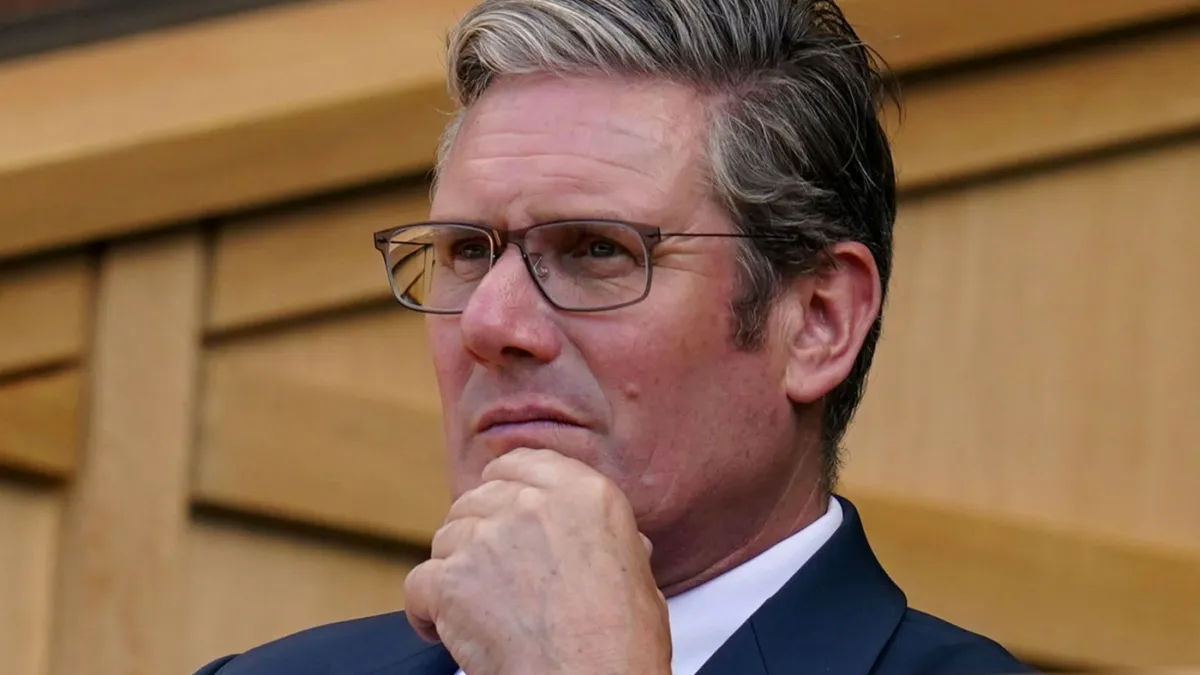
The impending electoral disaster raises critical questions about Sir Keir Starmer’s leadership. As speculation intensifies, many are questioning whether he should remain at the helm despite the expected poor outcomes. The Labour leader’s future is particularly precarious given the historical context of leadership transitions within the party, where the decision often rests with a small, activist base rather than the broader electorate.
Challenges of Leadership Succession
The Labour Party’s activist base, while progressive and pro-European, may not be as in touch with the wider electorate as necessary. This dynamic mirrors past decisions made by the Conservative Party, where grassroots selections led to the controversial leadership of Boris Johnson and Liz Truss. If Labour were to initiate a leadership change, the party could risk repeating these mistakes, especially if the new leader does not resonate with the broader public.
Potential successors such as Ed Miliband, Angela Rayner, or Andy Burnham are viewed as reflective of the party’s current ‘soft left’ constituency. However, concerns exist regarding their ability to unify the parliamentary party and appeal to the electorate at large. Sir Keir Starmer has managed to maintain a presence on the international stage, notably avoiding military conflict, which may not be easily replicated by any potential successor.
The Implications of a Leadership Contest
Should a leadership contest occur, it is likely to exacerbate divisions within the Labour Party. Unlike the smooth transition seen when Gordon Brown succeeded Tony Blair, a contest now could highlight the party’s vulnerabilities and internal disarray. The lack of a clear successor to Sir Keir means that any replacement might not have the backing of all factions within the party, leading to further instability.
As Professor Curtice points out, the absence of a consensus candidate could complicate the party’s efforts to regain public confidence. The potential for a fractious leadership battle could detract from the party’s focus on addressing pressing issues and responding to voter concerns, thereby deepening the crisis.
Frequently Asked Questions
What are the expected electoral outcomes for the Labour Party?
Experts predict a significant decline in Labour’s vote share, potentially as low as 19 percent.
Who are the potential successors to Sir Keir Starmer?
Possible successors include Ed Miliband, Angela Rayner, and Andy Burnham, though none have broad support.
What challenges could arise from a leadership contest?
A leadership contest could exacerbate divisions within the party and highlight its weaknesses.
How has Sir Keir Starmer performed on the international stage?
Sir Keir has maintained a notable presence internationally, particularly by avoiding military conflict.
What lessons can Labour learn from the Conservative Party’s leadership changes?
Labour should be cautious about leadership decisions being made by a small activist base, as seen in past Conservative selections.