UAE Confirms Advanced Talks with US on Currency Swap Line
📋 Key Takeaway: UAE Minister of Foreign Trade Thani Al Zeyoudi announced advanced discussions with the US regarding a currency swap line, highlighting its importance for trade.
UAE’s Engagement in Currency Swap Discussions
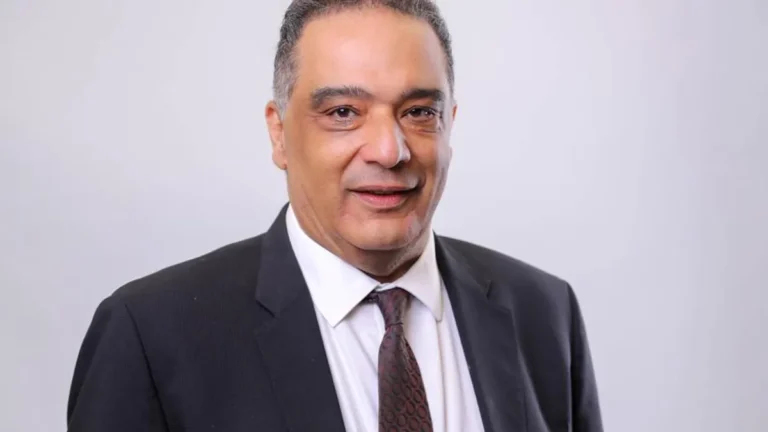
Thani Al Zeyoudi, the UAE Minister of Foreign Trade, confirmed on Monday that the UAE is engaged in advanced discussions with the United States regarding a currency swap line. This announcement was made during the ‘Make It In The Emirates’ event in Abu Dhabi, underscoring the UAE’s proactive approach to enhancing its economic ties with the US.
Al Zeyoudi characterized the ongoing negotiations as part of an ‘elite group’ of countries that have established currency swap agreements with the US. Currently, the United States maintains such agreements with Japan, Canada, the United Kingdom, Switzerland, and the European Central Bank, highlighting the exclusivity and significance of this financial arrangement.
The Minister emphasized that the discussions should not be misconstrued as a bailout, but rather as a mechanism to facilitate trade and investments between the two nations. ‘Being part of that group means that transactions, trade, investments between both nations reach a level where that swap is highly needed,’ Al Zeyoudi stated.
Understanding Currency Swap Lines
Currency swap lines are agreements between central banks that allow them to exchange currencies directly, thereby avoiding the foreign exchange markets. This arrangement can significantly reduce transaction costs and mitigate exchange-rate risks associated with cross-border trade and investments. The establishment of such lines is typically a reflection of strong economic ties and mutual trust between the countries involved.
The urgency surrounding currency swap lines has gained attention amid the global energy crisis exacerbated by recent conflicts in the Middle East. US Treasury Secretary Scott Bessent noted that several allies, particularly in the Middle East and Asia, have expressed interest in establishing similar agreements to counteract the economic fallout from ongoing regional tensions.
The closure of the Strait of Hormuz, a critical passageway for approximately 20 percent of the world’s oil and liquefied natural gas, has intensified these discussions. Following military actions involving the US and Israel, oil prices surged due to fears of supply disruptions, prompting a reevaluation of financial strategies among affected nations.
Future of UAE-US Financial Relations
While Al Zeyoudi refrained from disclosing specific details regarding the potential size or timeline of the currency swap line agreement, the implications of such an arrangement could be significant for both nations. A successful agreement would not only bolster economic cooperation but also enhance the UAE’s strategic position in the global financial landscape.
As the UAE continues to navigate complex geopolitical dynamics, strengthening financial ties with the US through a currency swap line could provide a buffer against external economic shocks, particularly in the volatile energy sector.
Frequently Asked Questions
What is a currency swap line?
A currency swap line allows central banks to exchange currencies directly, reducing transaction costs and exchange-rate risks.
Which countries currently have currency swap lines with the US?
The US has currency swap agreements with Japan, Canada, the UK, Switzerland, and the European Central Bank.
Why are currency swap lines important?
They facilitate trade and investment between countries, providing liquidity and stability in times of economic uncertainty.
How does the current geopolitical situation affect currency swap discussions?
Ongoing conflicts in the Middle East have heightened the need for financial stability, prompting countries to seek currency swap lines to mitigate economic risks.
What could a UAE-US currency swap line mean for trade?
It could enhance trade relations by providing easier access to each other’s currencies, thus facilitating smoother transactions.