Oman Proposes Local Energy Hubs to Align Energy Delivery with Economic Growth
📋 Key Takeaway: Oman is shifting towards local energy hubs to enhance energy delivery and support economic growth, according to industry experts.
Transitioning Energy Planning in Oman
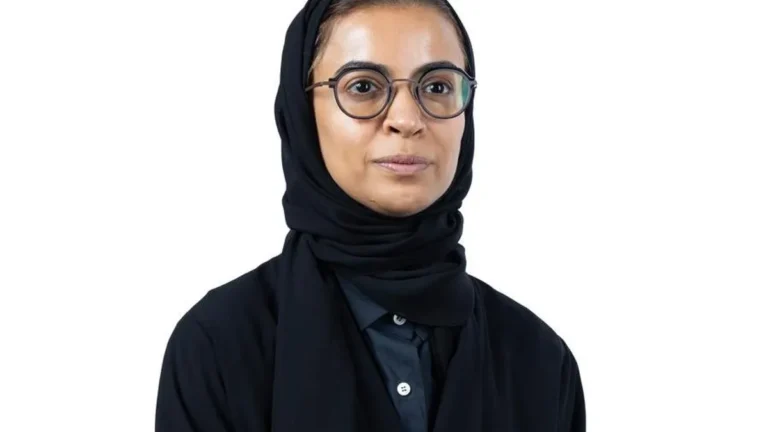
Oman’s future growth trajectory will depend significantly on the efficiency of its energy delivery systems, according to industry experts Jasim Alyamani and Dr. Abdullah al Abri. In a recent article published in The Majan Council newsletter, they argue that the nation must move away from traditional energy planning methods towards a more flexible, location-specific ‘energy architecture.’ This shift is essential as Oman seeks to diversify its economy and enhance its energy system’s responsiveness to the demands of advanced manufacturing and logistics.
Historically, Oman’s energy planning has been predominantly supply-driven, focusing on expanding generation capacity, transmission networks, and fuel availability. This approach has evolved into a more balanced model that integrates supply and demand through coordinated planning. However, the authors assert that this existing framework is inadequate for a more complex economic landscape, where energy demands are increasingly concentrated and variable.
The Role of Local Energy Hubs
To address these challenges, Alyamani and al Abri propose the creation of ‘local energy hubs’—integrated energy systems tailored to the specific needs of various locations. This model encourages industrial zones to become active participants in managing their energy flows rather than merely consuming centrally supplied power. For instance, SOHAR Port and Freezone, characterized by its heavy industrial base, may require a stable baseload power supply, while Salalah Port and Freezone, a logistics hub, might prioritize flexibility and efficiency.
These local energy hubs can start with core electricity supply components, including grid power, renewable sources, and storage solutions. Over time, they can be expanded to include additional energy elements such as gas, thermal systems, or hydrogen, adapting to evolving demand. This scalable approach not only enhances efficiency but also fosters innovation in software, data analytics, and systems integration within the energy sector.
Leveraging Local and International Expertise
The authors emphasize the importance of combining local expertise with international best practices to accelerate the development of these energy hubs. By integrating knowledge transfer into the local ecosystem, Oman can enhance its energy capabilities and ensure that advancements are both practical and sustainable. Industrial zones like SOHAR and Salalah can act as testbeds for developing and refining energy and digital systems, ultimately contributing to the nation’s broader economic ambitions.
While national energy systems will continue to play a vital role in ensuring security and scale, the competitiveness of Oman’s economy will increasingly depend on localized energy solutions. By designing energy systems around key growth centers, Oman aims to support its economic diversification and growth objectives in the coming years.
Frequently Asked Questions
What are local energy hubs?
Local energy hubs are integrated energy systems designed to meet the specific needs of particular locations, allowing for active management of energy flows.
Why is Oman shifting to local energy hubs?
Oman is shifting to local energy hubs to enhance the efficiency of energy delivery and better align with the demands of a diversified economy.
How will local energy hubs benefit Oman’s economy?
Local energy hubs will improve energy efficiency, foster innovation, and support the growth of advanced manufacturing and logistics sectors in Oman.
What role does expertise play in developing energy hubs?
Combining local expertise with international knowledge is crucial for accelerating progress and ensuring sustainable energy solutions in Oman.
What is the long-term vision for Oman’s energy system?
The long-term vision includes creating scalable, location-specific energy systems that support economic growth and diversification while ensuring energy security.