German Chancellor Merz Sticks with Coalition Amid Economic Uncertainty
📋 Key Takeaway: Chancellor Friedrich Merz reaffirms his commitment to the ruling coalition despite internal disputes and declining approval ratings amid economic challenges.
Merz Faces Political Pressure as Approval Ratings Decline
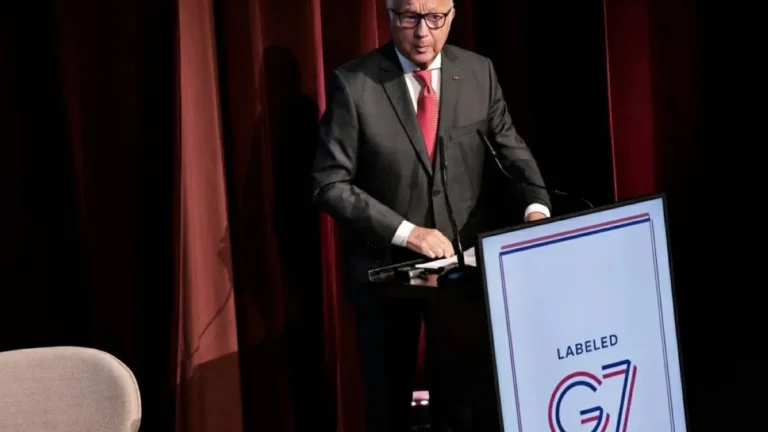
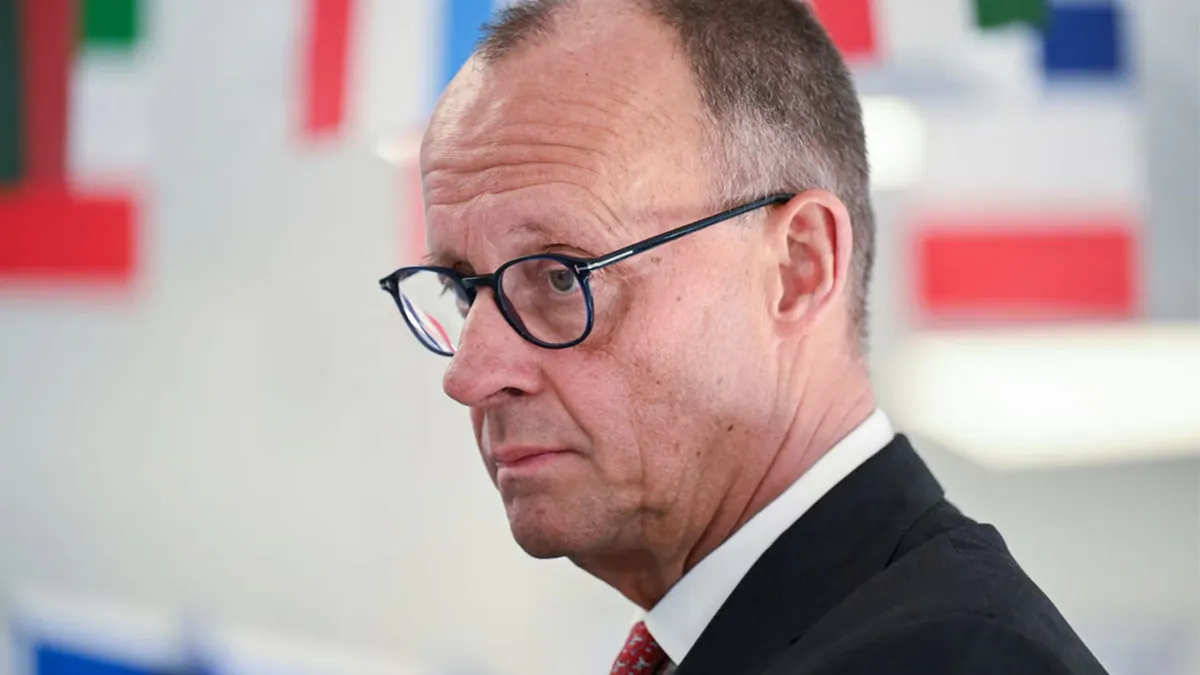
German Chancellor Friedrich Merz remains steadfast in his coalition with the Social Democrats (SPD) despite ongoing disputes over tax, welfare, and health reforms. As he approaches his first anniversary in office, Merz’s approval ratings have plummeted, reflecting the growing dissatisfaction among the electorate amid a backdrop of economic uncertainty. Germany’s economy, which returned to growth at the end of last year following two years of recession, now faces new threats, including an energy crisis linked to the conflict in Iran and new tariffs from the United States targeting the automotive sector.
Merz acknowledged the critical mood of the nation, stating that unease is ‘palpable.’ However, he dismissed speculation about the coalition’s potential collapse and the prospect of new elections, asserting, ‘We want to and we must succeed with this coalition we now have.’ His commitment comes amid a backdrop of increasing political fragmentation, with the far-right Alternative for Germany (AfD) party gaining ground in opinion polls.
Challenges in Reform Implementation and Coalition Dynamics
Since taking office, Merz has aimed to address long-standing issues, including the modernization of Germany’s armed forces and comprehensive reforms in pensions, tax, and health care. However, progress has stalled due to disagreements between the CDU and SPD over critical issues such as tax levels and welfare spending. Both parties have accused each other of failing to compromise, which has hampered the government’s ability to deliver on its promises.
Merz, a proponent of free-market policies, has moderated his previous criticisms of the SPD but continues to call for greater flexibility from his coalition partners. He stated that the CDU has made significant compromises over the past year and emphasized the need for reciprocal concessions from the SPD. Recent polling indicates that 73% of Germans now question Merz’s economic competence, a notable shift for a leader previously viewed as strong in this area.
Government’s Achievements Amid Economic Struggles
Despite the challenges, the government has highlighted some achievements, including a notable increase in defense spending and a reduction in irregular immigration and asylum approvals. However, these successes have been overshadowed by ongoing economic struggles and internal disputes. CDU parliamentary leader Jens Spahn acknowledged that public controversies have detracted from the coalition’s accomplishments, urging a return to collaborative governance.
Key unresolved issues remain, including the statutory health insurance system, which is projected to face significant funding deficits in the coming years, as well as long-promised tax reforms aimed at stimulating employment and investment. The coalition’s ability to navigate these complex challenges will be crucial for its survival and for restoring public trust.
Frequently Asked Questions
What challenges is Chancellor Merz facing?
Merz is dealing with declining approval ratings, internal coalition disputes, and economic uncertainty.
What reforms are currently stalled in Germany?
Reforms in pensions, tax, and health care are currently stalled due to disagreements between coalition partners.
How has the political landscape shifted in Germany?
The far-right AfD party has gained support, putting pressure on both the CDU and SPD.
What has the government achieved despite challenges?
The government has increased defense spending and reduced irregular immigration, but these achievements are overshadowed by economic issues.
What is the public sentiment towards Merz’s leadership?
Public sentiment is critical, with a significant portion of the population doubting Merz’s economic competence.