Emaar’s Mohamed Alabbar Advocates for Hard Work and Resilience in Business
📋 Key Takeaway: Mohamed Alabbar, Founder of Emaar Properties, emphasized the significance of hard work and resilience for businesses during the Make it in the Emirates summit in Abu Dhabi.
Hard Work as a Core Business Principle
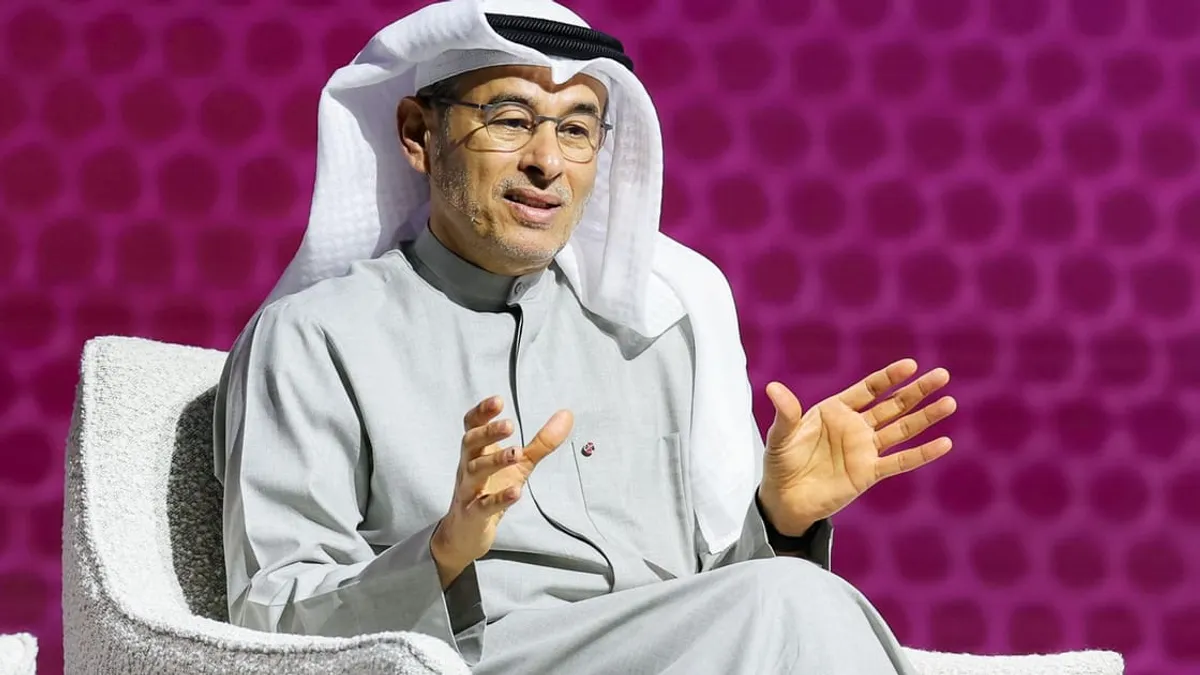
Mohamed Alabbar, the Founder and Managing Director of Emaar Properties, underscored the critical role of hard work in business success during his address at the Make it in the Emirates summit in Abu Dhabi. Alabbar stated that companies aiming to thrive amid disruption must cultivate a culture of diligence, discipline, and proactive risk management. He remarked, ‘I always tell people, from my own perspective, my IQ is average, but my hard work is the best.’
Alabbar elaborated that hard work transcends long hours; it involves meticulous evaluation of opportunities, timely risk-taking, and vigilant monitoring of execution. He expressed a preference for hiring Indian talent, citing their strong work ethic and responsiveness, even during unconventional hours. ‘The harder you work, the luckier you will get,’ he said, reiterating the adage that hard work often surpasses innate talent.
Building Resilience Through Crisis
Reflecting on recent global challenges, Alabbar noted that companies should not wait until crises strike to build resilience. He emphasized the importance of learning from past disruptions, including the 2008 financial crisis and the COVID-19 pandemic, to foster an agile business environment. ‘What happened recently was not expected, and our country showed its steadfastness and the resilience of its planning,’ he stated, highlighting the UAE’s ability to navigate through adversity.
Alabbar indicated that many UAE businesses have become adept at managing uncertainty, having experienced several cycles of disruption. He remarked, ‘When you learn from 2008 and from Covid, you have to build an agile and resilient business that can handle these circumstances.’ This proactive approach, he argued, is essential for long-term success.
Emaar’s Commitment to Employees
During the recent crisis, Emaar Properties took immediate steps to reassure its workforce, committing to no layoffs or salary cuts. Alabbar explained that this decision stemmed from lessons learned during previous crises and a sense of responsibility towards employees and the broader community. ‘In the first week, we sent emails to everyone, all the employees. We told them, we are not laying off any one of the workforce,’ he said.
He emphasized that a company’s reputation is particularly vital during crises, as stakeholders judge organizations based on their treatment of employees under pressure. ‘We care about our reputation among society in front of our leadership,’ Alabbar remarked, underscoring the importance of maintaining trust and integrity.
The Importance of a Proactive Culture
Alabbar introduced the concept of a ‘positively paranoid’ culture, where companies balance ambition with caution across various operational aspects. He noted that while pursuing growth, businesses must also manage risks and costs effectively. ‘You want to go fast, take the money from the table, but there is a process,’ he cautioned, highlighting the need for disciplined management, especially in the real estate sector.
With approximately 40,000 customers awaiting delivery of properties, Alabbar explained that Emaar’s cash flow remains robust due to ongoing monthly payments. This financial stability enables the company to maintain its operations across roughly 100 construction sites.
Lessons from Past Experiences
Alabbar’s approach to crisis management is informed by experiences dating back to 1997, when he faced significant challenges in Singapore. He recalled the liquidity pressures of that period and the importance of having a responsive organizational structure. ‘If the organization cannot learn from what is happening, and I’m sure everyone is learning, but do we have staff that can learn from this and prepare the organization? Yes,’ he stated.
He concluded by reiterating the necessity for organizations to learn from every crisis, emphasizing that a well-prepared team is essential for navigating future challenges.
Frequently Asked Questions
Why does Alabbar prefer to hire Indian talent?
Alabbar appreciates the strong work ethic of Indian professionals, noting their responsiveness and commitment.
What measures did Emaar take during the recent crisis?
Emaar committed to not laying off employees or cutting salaries during the crisis to reassure its workforce.
How does Alabbar define a resilient business?
A resilient business is one that learns from past crises and builds an agile structure capable of managing uncertainty.
What is meant by a ‘positively paranoid’ culture?
It refers to a business culture that balances ambition with caution, ensuring risks are managed effectively.
What lessons does Alabbar draw from his experiences in 1997?
He emphasizes the need for organizations to learn from crises and prepare for future challenges.