Air Arabia Transforms Travel Experience with Innovative Services
📋 Key Takeaway: Air Arabia, a leading low-cost airline based in Sharjah, has introduced innovative services to enhance travel experience while expanding its global network.
Overview of Air Arabia’s Evolution
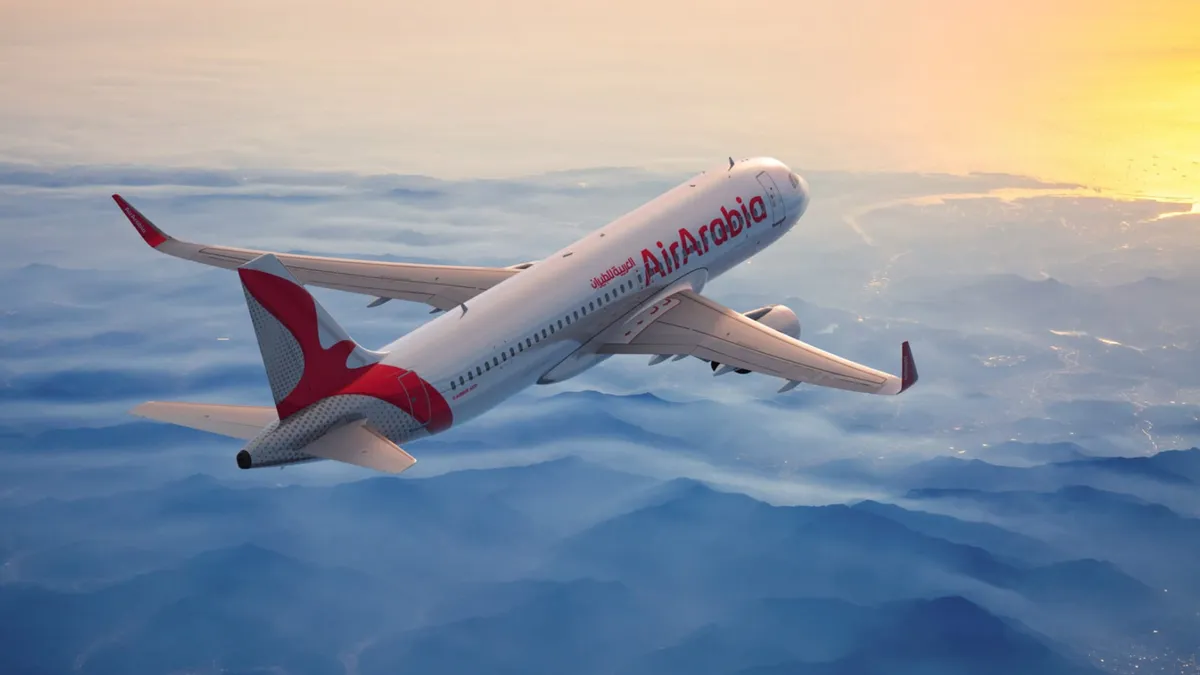
Founded in October 2003, Air Arabia has emerged as one of the largest low-cost carriers in the Middle East. Headquartered in Sharjah, the airline is publicly traded on the Dubai Financial Market and operates flights to various destinations across the Middle East, Asia, North Africa, and Europe. Its operations are centered around six key hubs, including Sharjah, Abu Dhabi, and Ras Al Khaimah in the UAE, as well as international bases in Egypt, Morocco, and Pakistan.
Air Arabia has redefined traditional travel concepts by implementing modern strategies that prioritize smart travel. The airline’s expansive network and commitment to customer satisfaction have positioned it as a preferred choice for travelers seeking economical and efficient air travel options.
Innovative Services and Customer-Centric Approach
Air Arabia has launched several initiatives under its motto ‘Fly More,’ aiming to enhance the travel experience. The airline focuses on providing unique travel solutions that cater to the diverse needs of its passengers, encouraging repeat business through value-added services. These include advanced seat selection, an extensive in-flight menu via the ‘Sky Cafe,’ and complimentary entertainment services like ‘Sky Time.’
In a bid to streamline the travel process, Air Arabia recently introduced a ‘Home Check-in’ service at Sharjah International Airport. This innovative offering allows passengers to check in from their homes, significantly reducing wait times at the airport. Customers can schedule this service between 24 to 8 hours before their flight, with Air Arabia staff visiting their homes to assist with luggage and boarding passes.
Commitment to Quality and Sustainability
Air Arabia continues to enhance its fleet with strategic upgrades aimed at maintaining operational efficiency and sustainability. By 2025, the airline plans to introduce 120 new aircraft, including models such as the A320neo and A321neo, which are designed to be more fuel-efficient and environmentally friendly. These upgrades are part of Air Arabia’s commitment to reducing its carbon footprint by up to 20%.
The airline’s dedication extends beyond operational excellence to include social responsibility initiatives. Through its ‘Sahab Al Khair’ program, launched in collaboration with the Sharjah Charity Association, Air Arabia has facilitated over 1,000 humanitarian projects aimed at supporting underprivileged communities across various countries, including Sudan, Yemen, and Bangladesh.
Recognition and Financial Performance
Air Arabia’s commitment to excellence has been recognized globally, receiving awards such as ‘Best Low-Cost Airline of the Year 2023.’ The airline reported a record profit of approximately 770 million dirhams for the second quarter and first half of 2025, reflecting an 11% growth year-on-year. This financial success underscores the airline’s operational efficiency and strategic growth initiatives.
As Air Arabia continues to innovate and expand its services, it remains focused on making smart travel accessible to all, reinforcing its position as a leader in the low-cost aviation sector while contributing positively to the communities it serves.
Frequently Asked Questions
What is Air Arabia’s Home Check-in service?
It allows passengers to check in from home, reducing wait times at the airport.
How many new aircraft is Air Arabia planning to introduce?
Air Arabia plans to introduce 120 new aircraft by 2025.
What awards has Air Arabia recently won?
Air Arabia won ‘Best Low-Cost Airline of the Year 2023’ and other international accolades.
What is the Sahab Al Khair initiative?
It is a humanitarian program that supports underprivileged communities through various projects.
Where does Air Arabia operate flights?
Air Arabia operates flights to destinations across the Middle East, Asia, North Africa, and Europe.