Study Reveals Lifespan of Air Conditioning Units Varies by Type
📋 Key Takeaway: A recent analysis reveals that the lifespan of air conditioning units varies significantly based on type, usage, and maintenance practices.
Average Lifespan of Air Conditioning Units
A recent analytical study has disclosed that the average lifespan of various air conditioning systems can differ markedly based on the type of unit, level of usage, and adherence to regular maintenance. Traditional window air conditioning units, once prevalent in homes, typically have a lifespan ranging from 8 to 10 years. This shorter lifespan is attributed to their design, which primarily cools a single room, making them more susceptible to wear and tear compared to larger systems.
Portable air conditioning units fall within a similar category, generally lasting up to 10 years, with slight variations depending on usage conditions and manufacturing quality. In contrast, wall-mounted air conditioning units exhibit a relatively longer operational lifespan, averaging between 10 to 15 years. This increased longevity is due to advancements in technology that enhance efficiency compared to older models.
Central air conditioning systems boast the longest lifespan, typically ranging from 15 to 20 years. Their design, tailored for cooling expansive areas, necessitates robust components that can endure prolonged use, contributing to their durability.
The Role of Maintenance in Longevity
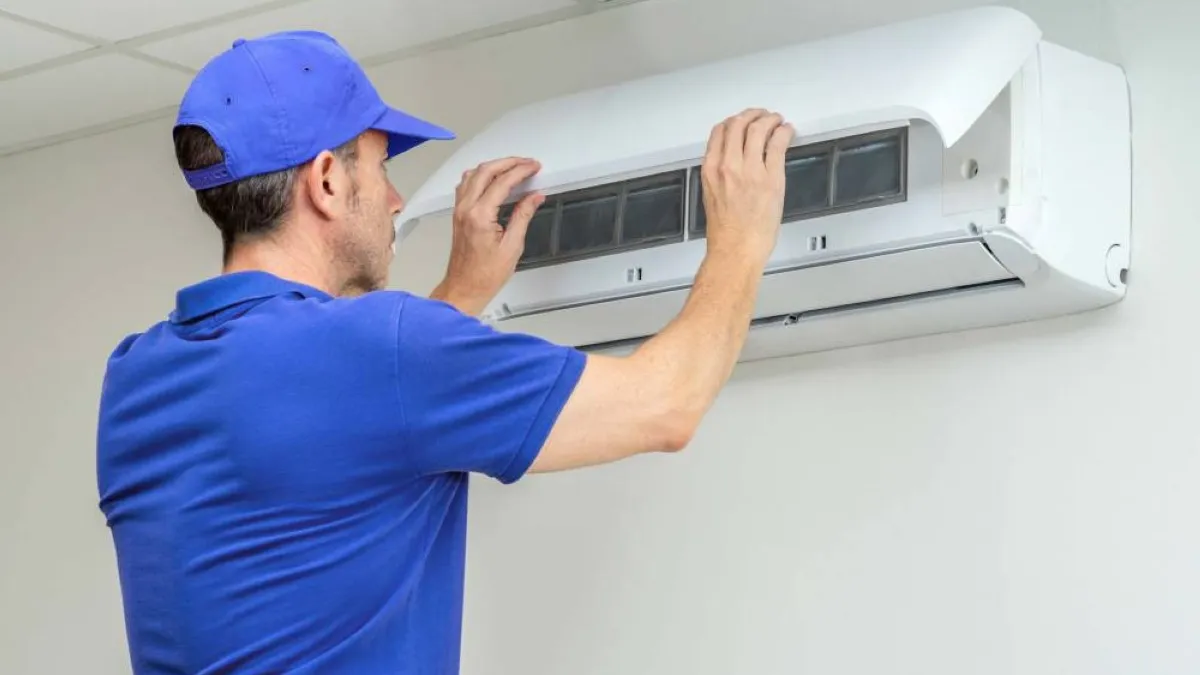
The study emphasizes that accurately determining the lifespan of any air conditioning system is complex, as it is influenced by several factors, most notably maintenance. Neglecting regular upkeep can significantly diminish a unit’s operational lifespan, while diligent maintenance can optimize performance and extend longevity. Simple maintenance tasks, such as regularly cleaning or replacing air filters as per the manufacturer’s guidelines, can be performed by users.
Additionally, users are advised to inspect the external unit for debris or obstructions that may hinder airflow. The study also recommends conducting routine visual checks to identify any visible damages or malfunctions that could affect operational efficiency, especially during high-temperature periods.
Furthermore, the importance of enlisting certified technicians for advanced maintenance procedures cannot be overstated. These procedures include cleaning critical components such as coils, fans, motors, and drainage systems. The study warns against attempting internal repairs or handling electrical parts without expertise, as this could pose safety risks and lead to more significant malfunctions.
Conclusion and Implications
In conclusion, the average lifespan of air conditioning units varies between 8 and 20 years depending on the type. The study underscores that regular maintenance is the most critical factor in determining both the actual lifespan and performance efficiency over time, particularly during periods of intensive summer use. As air conditioning systems become increasingly integral to comfort in hot climates, understanding their longevity and maintenance needs is essential for consumers.
Frequently Asked Questions
What is the average lifespan of window air conditioning units?
Window air conditioning units typically last between 8 to 10 years.
How can I extend the lifespan of my air conditioning unit?
Regular maintenance, including cleaning filters and checking for obstructions, can extend the lifespan of your air conditioning unit.
What type of air conditioning unit lasts the longest?
Central air conditioning systems generally have the longest lifespan, lasting between 15 to 20 years.
Is it safe to perform maintenance on my air conditioning unit myself?
While some maintenance tasks can be performed by users, it is advisable to hire certified technicians for more complex maintenance to avoid safety risks.
What factors affect the lifespan of air conditioning units?
The lifespan is influenced by the type of unit, usage level, and the frequency and quality of maintenance.