US Military Hospital Project in Germany Faces Uncertain Future Amid Troop Withdrawals
📋 Key Takeaway: The $1 billion US military hospital project in Ramstein, Germany, scheduled to open next year, is now under scrutiny as troop withdrawals and geopolitical shifts raise doubts about its future.
Speculation Surrounds the Future of the Ramstein Hospital Project
A $1 billion initiative to establish a state-of-the-art US military hospital in Ramstein, Germany, is facing increased scrutiny as uncertainties about its future emerge. The project, slated for completion next year, may become redundant if significant changes occur in US military deployments across Europe. This speculation gained traction following remarks from German Chancellor Friedrich Merz, who suggested that the Iranian regime has emerged stronger from its conflicts with the US and Israel.
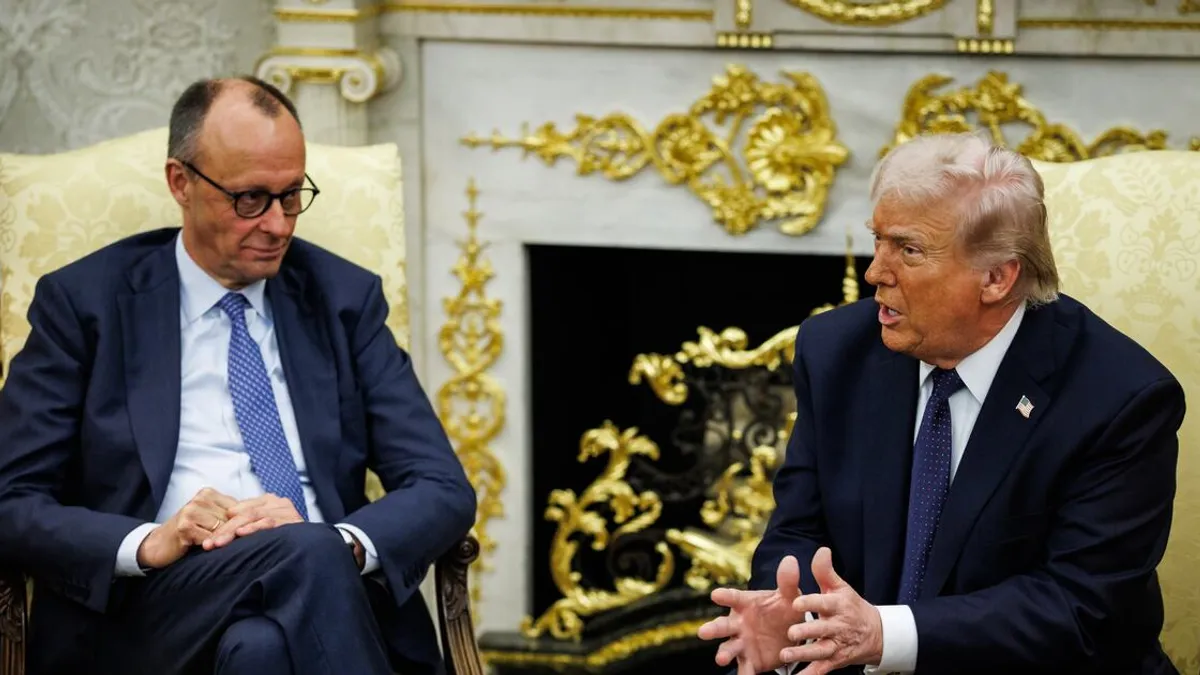
Chancellor Merz’s comments, made during a school visit, risked inciting the ire of US President Donald Trump. He criticized the Iranian leadership, particularly the Revolutionary Guards, for humiliating their nation. This statement reflects a broader concern about the ramifications of ongoing conflicts in the Middle East, which have significantly impacted Europe, especially economically.
The presence of 36,500 US military personnel in Germany has historically been a cornerstone of transatlantic security. However, the Pentagon’s recent announcement of a planned withdrawal of 5,000 troops, including a critical missile defense deployment, has raised alarms about the future of US military infrastructure in the region. Key bases such as Ramstein, Stuttgart, and Buchel are now under scrutiny as the geopolitical landscape evolves.
Implications of US Troop Withdrawals on European Security
The potential reduction of US troops in Germany is not merely a localized issue; it poses challenges for the entire European security framework. President Trump has expressed dissatisfaction with NATO allies, including Italy and Spain, where significant numbers of US troops are stationed. His administration’s shifting stance on military commitments could undermine longstanding security arrangements and compel European nations to reassess their defense strategies.
The dynamics between the US and Germany have shifted under Chancellor Merz, who has taken a more assertive stance on defense spending and military support for Ukraine. Unlike his predecessor, Olaf Scholz, Merz has advocated for increased military capabilities and a proactive approach in confronting Russian aggression. This pivot reflects a growing recognition among German leaders of the need for credible military deterrence in the face of rising geopolitical tensions.
Germany’s recent budget proposal includes substantial allocations for military support, with €11.6 billion earmarked for Ukraine next year and additional funding planned through 2030. The German Defense Minister, Boris Pistorius, has assured that military expansion efforts are on track, aiming to enhance Europe’s self-defense capabilities amid uncertainties regarding US military presence.
The Evolving Berlin-Washington Relationship
The strained relationship between Trump and Merz signals a pivotal moment in US-German relations. As the two leaders navigate their differing priorities, the implications for transatlantic cooperation are significant. The ongoing conflict in Ukraine and the broader geopolitical landscape necessitate a reevaluation of Europe’s defense posture, particularly as the US appears to pivot its focus elsewhere.
Germany’s strategic considerations differ from those of its Western European neighbors, as it predominantly faces security challenges from the eastern flank. This necessitates a more land-based and territorial military strategy. As the US reduces its footprint in Europe, Germany is compelled to take greater responsibility for its own security interests.
Frequently Asked Questions
What is the status of the US military hospital project in Ramstein?
The $1 billion project is facing uncertainty due to potential troop withdrawals and changing geopolitical dynamics.
How many US troops are stationed in Germany?
There are currently 36,500 US military personnel stationed in Germany.
What are the implications of US troop withdrawals for Europe?
US troop withdrawals may compel European nations to reassess their defense strategies and enhance their own military capabilities.
What is Chancellor Merz’s stance on military spending?
Chancellor Merz advocates for increased military spending and a more proactive approach to European defense.
How is Germany responding to the conflict in Ukraine?
Germany has proposed substantial military support for Ukraine, including €11.6 billion for next year.