U.S. Military Gains Authority to Act Against Iran Amid Rising Tensions
📋 Key Takeaway: The U.S. military has received new authority to respond to Iranian threats in the Strait of Hormuz, as tensions escalate over maritime security.
U.S. Military Receives New Engagement Rules
According to Axios, the U.S. military has been granted exceptional authorization to alter its rules of engagement in response to potential threats from Iran. A source close to President Donald Trump indicated that any misstep by Iran would provide the U.S. with legal justification for military action. The source stated, ‘If the Iranians do something, they will be the villains, and we will have the legal right to act.’
This development comes as the U.S. Central Command (CENTCOM) begins implementing a new initiative called ‘Project Freedom,’ aimed at ensuring the safe passage of neutral vessels through the Strait of Hormuz. The military has mobilized 15,000 troops and over 100 aircraft to support this mission. The U.S. Navy has already successfully facilitated the passage of two American-flagged commercial vessels through the strait.
The U.S. military’s new engagement rules allow for direct action against threats to commercial shipping in the region. This includes targeting fast boats belonging to the Iranian Revolutionary Guard and coastal missile sites, further escalating the potential for confrontation between U.S. and Iranian forces.
Escalating Maritime Tensions
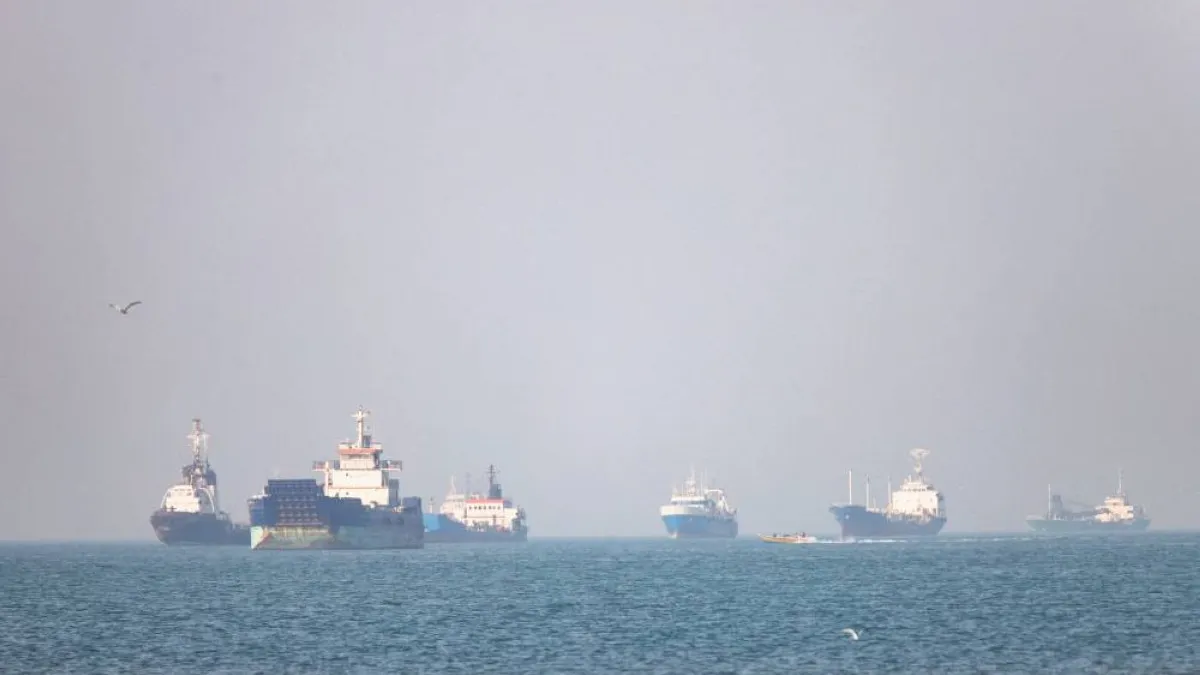
The situation in the Strait of Hormuz has become increasingly fraught, with the U.S. accusing Iran of detaining commercial vessels and threatening maritime security. President Trump noted that several nations not directly involved in the conflict have sought U.S. assistance in freeing their ships currently held in the strait. He emphasized the dire conditions faced by crews aboard these vessels, which are reportedly suffering from severe shortages of food and essential supplies.
The U.S. administration’s actions reflect a broader strategy to counter Iranian influence in the region, particularly in critical maritime corridors. The Pentagon’s enhanced military posture aims to deter Iranian aggression while safeguarding international shipping lanes vital for global trade.
What This Means
The recent shift in U.S. military policy towards Iran signifies a heightened readiness to respond to perceived threats in the Persian Gulf. This could lead to increased military encounters in the region, as U.S. forces are now authorized to act more decisively against Iranian provocations. Analysts suggest that this escalation could further strain U.S.-Iran relations, complicating diplomatic efforts to resolve ongoing tensions.
Frequently Asked Questions
What is ‘Project Freedom’?
Project Freedom is a U.S. initiative aimed at ensuring safe passage for commercial vessels through the Strait of Hormuz.
Why has the U.S. changed its rules of engagement?
The U.S. altered its rules of engagement to respond more effectively to potential threats from Iran.
How many troops are involved in the U.S. operation?
The operation involves 15,000 troops and over 100 aircraft.
What are the implications of U.S. military actions in the region?
Increased military actions could lead to heightened tensions and potential confrontations between U.S. and Iranian forces.
What challenges are commercial vessels facing in the Strait of Hormuz?
Commercial vessels are facing threats of detention by Iranian forces and shortages of essential supplies.