US-Iran Ceasefire Faces Collapse Amid Strait of Hormuz Clashes
📋 Key Takeaway: The US-Iran ceasefire is nearing collapse as clashes erupt in the Strait of Hormuz, with the UAE reporting attacks and oil prices surging.
Escalating Tensions in the Strait of Hormuz
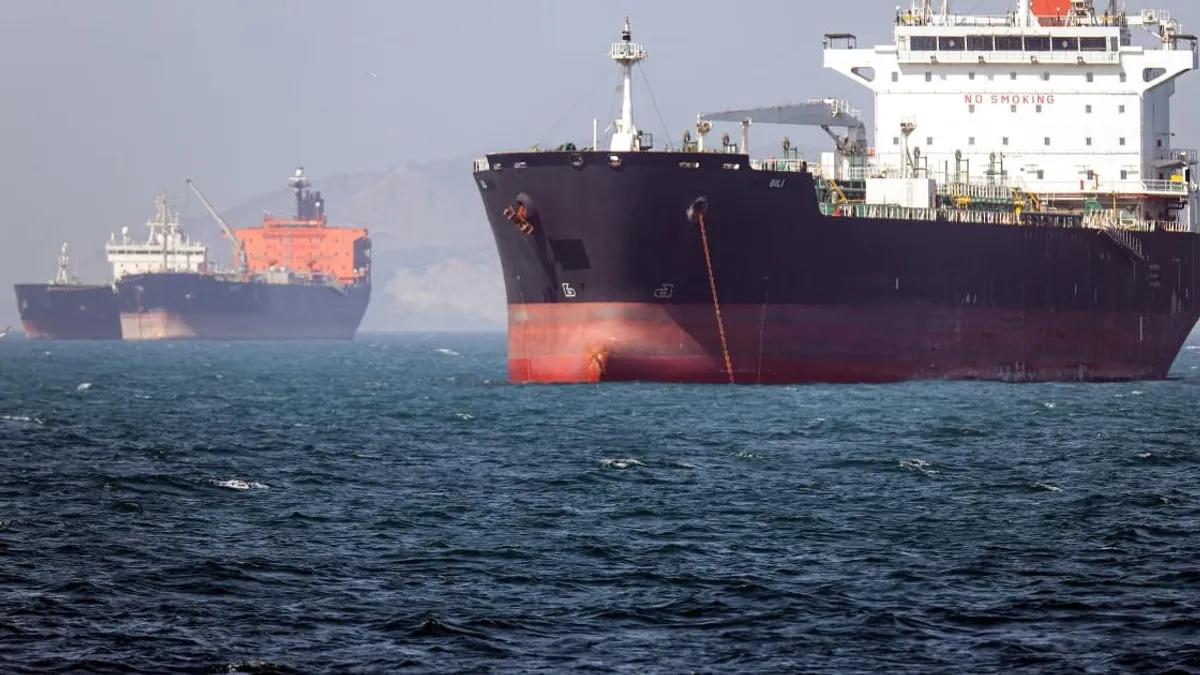
The fragile ceasefire between Iran and the United States is on the verge of collapse as hostilities escalate in the strategically vital Strait of Hormuz. This development follows a series of attacks reported by the United Arab Emirates, marking the first such incidents since the truce was declared nearly a month ago. The situation intensified on May 2, 2026, when the Gambia-flagged tanker vessel Bili was seen anchored off Bandar Abbas, Iran, amid rising military tensions.
President Donald Trump announced a military operation aimed at escorting vessels trapped in the strait, issuing a stark warning that Iran would face severe consequences if it attacked US ships. This threat underscores the heightened risk of conflict in a region critical for global oil transportation, where one-fifth of the world’s oil flows.
Iran’s military leadership has vowed to maintain its control over the Strait of Hormuz, asserting its strategic importance. Following a recent US naval engagement, where six small Iranian vessels were reportedly sunk, Iran denied these claims and has retaliated with warning shots aimed at US warships.
UAE Reports Attacks and Regional Impact
The United Arab Emirates has condemned the recent attacks, which it describes as a direct threat to its national security. In a statement, the UAE’s foreign ministry characterized these actions as a dangerous escalation. The situation worsened with a strike on an energy installation in Fujairah, injuring three Indian nationals, and another incident in Oman where two individuals were hurt following an attack on a residential building.
The ramifications of these clashes have already begun to ripple through global markets, with Brent crude oil prices surging more than five percent following the UAE attack. This spike in energy prices adds to the economic strain felt worldwide and poses a significant challenge for President Trump ahead of the upcoming congressional elections.
In response to the escalating conflict, the UAE has mandated a return to remote learning for schools for the remainder of the week as a precautionary measure. This escalation has also drawn military responses from Israel, which has placed its forces on high alert amid the ongoing tensions.
US Military Strategy and Iranian Response
In an effort to stabilize the situation, President Trump introduced ‘Project Freedom’ aimed at guiding ships from neutral countries through the Gulf. However, the details of this initiative remain unclear, with US Central Command confirming that guided-missile destroyers have transited the Strait of Hormuz. Despite these claims, Iran’s Revolutionary Guards refuted the US narrative, asserting that no commercial vessels have passed through the strait recently.
Iranian officials have characterized the recent military actions as a response to US provocations, emphasizing that any attacks on oil facilities were not pre-planned. Iranian Foreign Minister Abbas Araghchi has cautioned against further military escalation, indicating that there is no military solution to the ongoing political crisis.
Diplomatic Stalemate and Regional Ramifications
Diplomatic efforts to resolve the crisis have stalled, with the US aborting plans for high-level talks in Pakistan. President Trump has expressed skepticism about Iranian proposals, further complicating the diplomatic landscape. The situation is further exacerbated by ongoing violence in Lebanon, where Israeli airstrikes have resulted in significant casualties, raising concerns about broader regional instability.
As tensions continue to rise, the potential for a broader conflict looms large. The international community is closely monitoring developments, particularly as the US and Iran grapple with the implications of their military posturing in a region critical to global energy supplies.
Frequently Asked Questions
What triggered the recent clashes in the Strait of Hormuz?
The clashes were triggered by a series of attacks reported by the UAE and military escalations between the US and Iran.
How has the US responded to the situation?
The US has announced a military operation to escort vessels and introduced ‘Project Freedom’ to guide ships through the Gulf.
What are the implications of rising oil prices?
Rising oil prices could lead to economic strain globally, impacting consumers and creating political challenges for leaders like President Trump.
What role does the UAE play in the current crisis?
The UAE has condemned the attacks, emphasized national security threats, and taken precautionary measures such as remote learning for schools.
What is the current status of US-Iran diplomatic relations?
Diplomatic relations remain deadlocked, with recent attempts at negotiations having been aborted.