European Leaders Respond to US Disappointment Over Middle East Support
📋 Key Takeaway: European leaders are responding to US President Donald Trump’s disappointment over their support in the Middle East conflict, with NATO Secretary General Mark Rutte emphasizing a shift in European positions.
European Leaders Acknowledge US Concerns
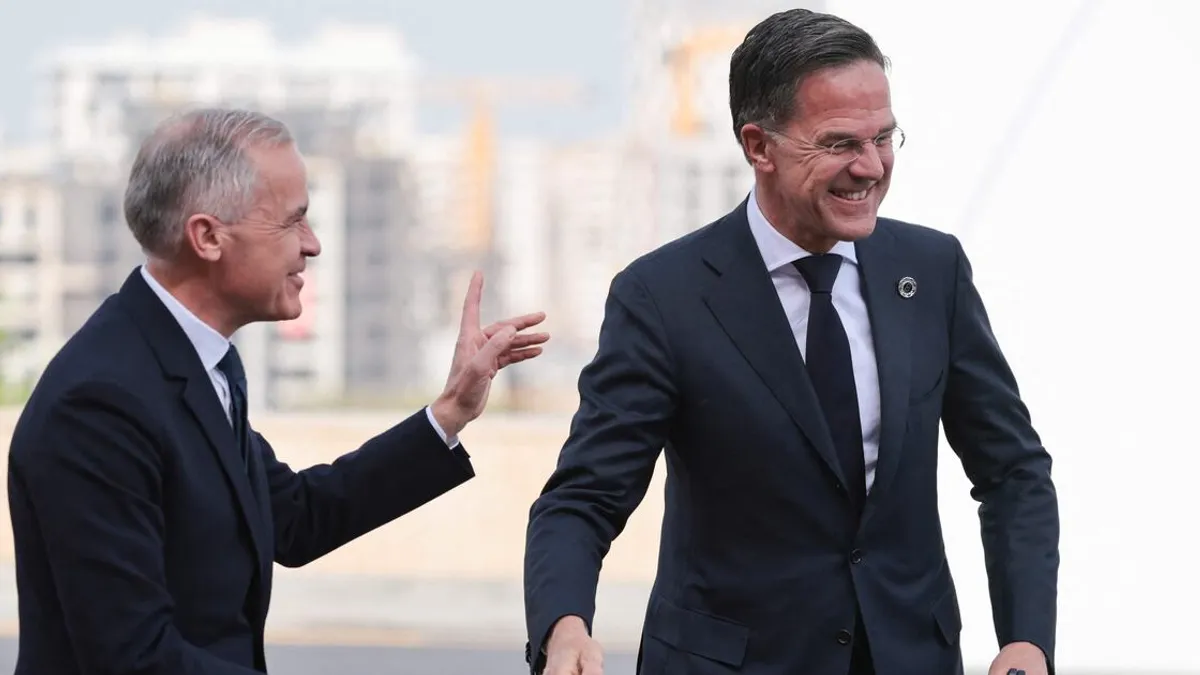
European nations have taken note of US President Donald Trump’s recent expressions of disappointment regarding their support in the ongoing Middle East conflict, according to NATO Secretary General Mark Rutte. Speaking from Yerevan, Armenia, during the European Political Community summit, Rutte stated that European leaders have received the message from the US clearly, indicating a shift in their approach to the situation.
Rutte highlighted that European allies are now actively ensuring the implementation of agreements concerning the use of military bases, as well as pre-positioning essential logistical support, including minehunters and minesweepers, in anticipation of future developments in the region. This proactive stance reflects a growing urgency among European nations to align more closely with US objectives in the Middle East.
The US is set to begin guiding neutral ships through the Strait of Hormuz, an operation that will not involve European participation. This decision comes as France and the UK lead international efforts, alongside Gulf and Asian nations, to establish a framework for a defensive naval mission aimed at ensuring freedom of navigation in the Strait post-conflict.
Responses from European Leaders
French President Emmanuel Macron welcomed the US decision to reopen the waterway, describing it as a positive development that allies had been advocating for. However, he reiterated a cautious stance, stating that France would not engage in any military operations that lack a clear framework. This sentiment reflects a broader hesitation among European nations to commit to military actions without a definitive strategy.
The summit in Yerevan also drew attention due to its symbolic significance, as it included leaders from traditionally opposing nations, such as Turkey, which has no diplomatic relations with Armenia. The presence of Canadian Prime Minister Mark Carney marked the first time Canada participated in this forum, further emphasizing the evolving dynamics within European and regional politics.
The EU’s chief diplomat, Kaja Kallas, expressed surprise over the timing of the US announcement regarding troop withdrawals from Europe, suggesting that such moves could undermine both European security and American interests. Kallas called for a strengthening of the European pillar within NATO, underscoring the need for greater European defense capabilities.
Implications of US Troop Withdrawal
The recent announcement by the Trump administration to withdraw some US troops from Europe has raised concerns among NATO allies. While a gradual reduction had been anticipated, the lack of coordination and the scale of the withdrawal have surprised many European leaders. The US maintains approximately 35,000 troops in Europe, primarily stationed in Germany, which serves as the headquarters for American military operations in the region.
Opposition to troop reductions is expected to arise in the US Congress, particularly given the strategic importance of these forces in countering threats in the Middle East. The ongoing tensions with Iran and the evolving geopolitical landscape necessitate a robust US military presence in Europe, a legacy of Cold War policies that continue to influence current defense strategies.
Frequently Asked Questions
What was President Trump’s message to European leaders?
Trump expressed disappointment with European nations’ lack of support in the Middle East conflict.
What actions are European allies taking in response?
European allies are implementing military base agreements and pre-positioning logistical support.
How are France and the UK involved in the situation?
They are co-leading international efforts for a naval mission to ensure navigation freedom in the Strait of Hormuz.
What are the implications of US troop withdrawals from Europe?
The withdrawals could affect European security and raise concerns among NATO allies about US commitment.
Why is the summit in Yerevan significant?
It symbolizes evolving relations among European and regional leaders, including Turkey and Armenia.