UAE Minister Highlights Industrial Growth and Strategic Vision at ‘Make in the UAE’ Event
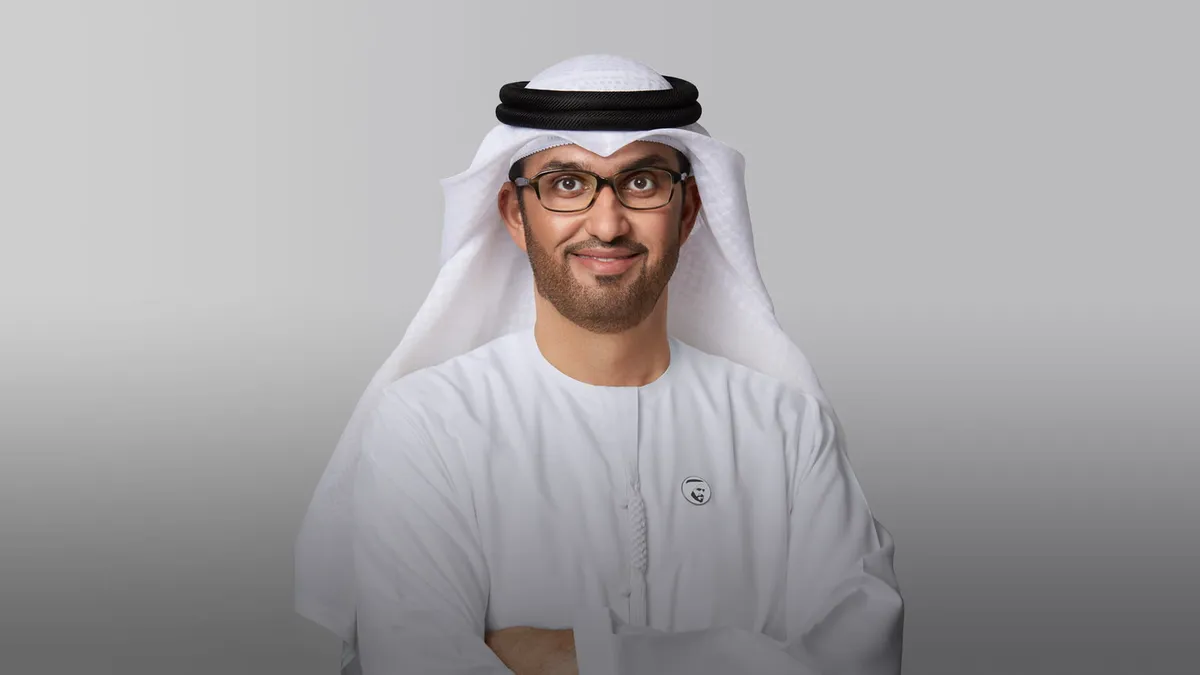
📋 Key Takeaway: UAE Minister of Industry and Advanced Technology, Dr. Sultan bin Ahmed Al Jaber, emphasizes the nation’s industrial growth and resilience during the ‘Make in the UAE’ event in Abu Dhabi.
Minister’s Address at ‘Make in the UAE’
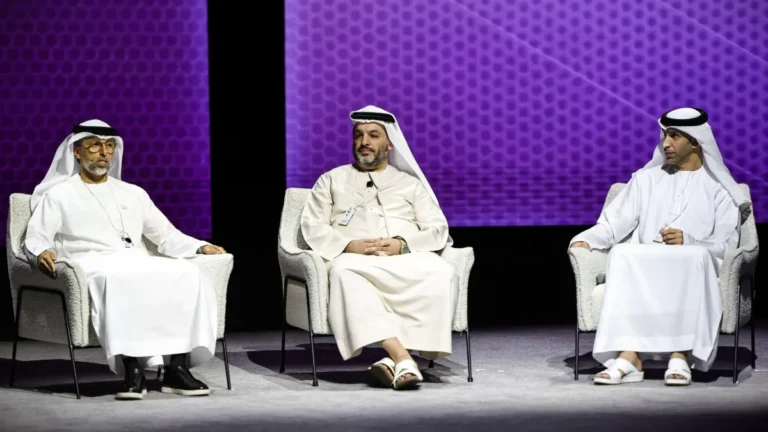
Dr. Sultan bin Ahmed Al Jaber, the UAE Minister of Industry and Advanced Technology, delivered a compelling address at the opening of the fifth edition of the ‘Make in the UAE’ platform, held from May 4 to 7 at the Abu Dhabi National Exhibition Centre. The event, which aims to promote domestic manufacturing, is organized by the Ministry of Industry and Advanced Technology in collaboration with several key entities, including the Ministry of Culture and the Abu Dhabi Investment Office.
In his speech, Al Jaber praised the unwavering unity of the Emirati community, comprising both citizens and residents, in supporting the nation’s leadership and objectives. He emphasized the significant contributions of the UAE’s armed forces and frontline heroes, particularly as the country celebrates the 50th anniversary of its military unification.
Highlighting the achievements of the National Strategy for Industry and Advanced Technology, Al Jaber noted that the industrial sector’s contribution to the national economy has surged to AED 200 billion, marking a 70% increase. Additionally, he revealed that industrial exports have reached AED 262 billion, with advanced industrial exports accounting for AED 92 billion.
Future Opportunities and Strategic Goals
The Minister announced a plan to increase the value of industrial procurement opportunities from AED 168 billion to AED 180 billion over the next decade. This initiative aims to localize over 5,000 products in strategic sectors that enhance economic, food, and health security, thereby promoting business sustainability.
Al Jaber also discussed the recent ‘Make with ADNOC’ forum, which showcased projects worth over AED 200 billion planned for the next two years. The initiative includes the Local+ program, designed to connect engineering, procurement, and construction contractors with 70 qualified Emirati manufacturers, ensuring priority for locally manufactured products in ADNOC projects.
Reflecting on regional challenges, Al Jaber stated that the ‘Make in the UAE’ event serves as a testament to the UAE’s resilience amidst global disruptions. He asserted that the UAE not only withstands crises but also transforms them into opportunities for growth and strength.
Economic Sovereignty and Global Positioning
In discussing the UAE’s position on the Strait of Hormuz, Al Jaber emphasized that a nation’s strength is measured by its productivity and efficiency. He stated that industrial capability is essential for economic sovereignty, allowing the UAE to navigate global market fluctuations and ensure stability.
Al Jaber firmly rejected the notion of using critical waterways like the Strait of Hormuz as leverage for economic threats, reiterating that freedom of navigation is non-negotiable. He called for collective responsibility in maintaining market stability and highlighted the UAE’s commitment to being a reliable partner in global energy markets.
Addressing the UAE’s recent exit from OPEC, Al Jaber clarified that this decision is a strategic move aimed at reshaping the country’s role in the global economy. He affirmed that the decision is not directed against any party but is rooted in the UAE’s long-term national interests.
Embracing Technological Advancements
Al Jaber also discussed the UAE’s commitment to integrating artificial intelligence in its industrial processes, stating that AI will not merely be a tool but a partner in decision-making. He outlined a vision for an integrated economic model that combines energy, technology, and manufacturing.
He emphasized that the economies of the future will be built on three pillars: energy, technology, and production. The UAE aims to consolidate these elements into a cohesive framework, positioning itself as a premier destination for investment and growth.
Concluding his address, Al Jaber urged the private industrial sector and investment entities to prioritize direct investment in the national economy, framing it as essential for stability and economic sovereignty. He reiterated that the success equation for the future lies in the integration of energy, AI, and industry.
Frequently Asked Questions
What is the purpose of the ‘Make in the UAE’ event?
The event aims to promote domestic manufacturing and showcase advancements in the UAE’s industrial sector.
What are the key goals announced by the UAE Minister?
The Minister announced plans to increase industrial procurement opportunities and localize over 5,000 products in strategic sectors.
How does the UAE plan to integrate artificial intelligence in its economy?
The UAE aims to use AI as a partner in decision-making processes across various industries.
What is the significance of the UAE’s exit from OPEC?
The exit is a strategic move to reshape the UAE’s role in the global economy, reflecting its long-term national interests.
How does the UAE view its economic sovereignty?
The UAE considers industrial capability essential for economic sovereignty, allowing it to manage global market fluctuations.