Russia and Ukraine Engage in Historical Memory Battle Amid Ongoing Conflict
📋 Key Takeaway: The Russia-Ukraine conflict transcends military engagements, evolving into a struggle over historical memory and national identity, highlighted by contrasting ceasefire dates.
Contrasting Ceasefire Dates Reflect Deeper Historical Struggles
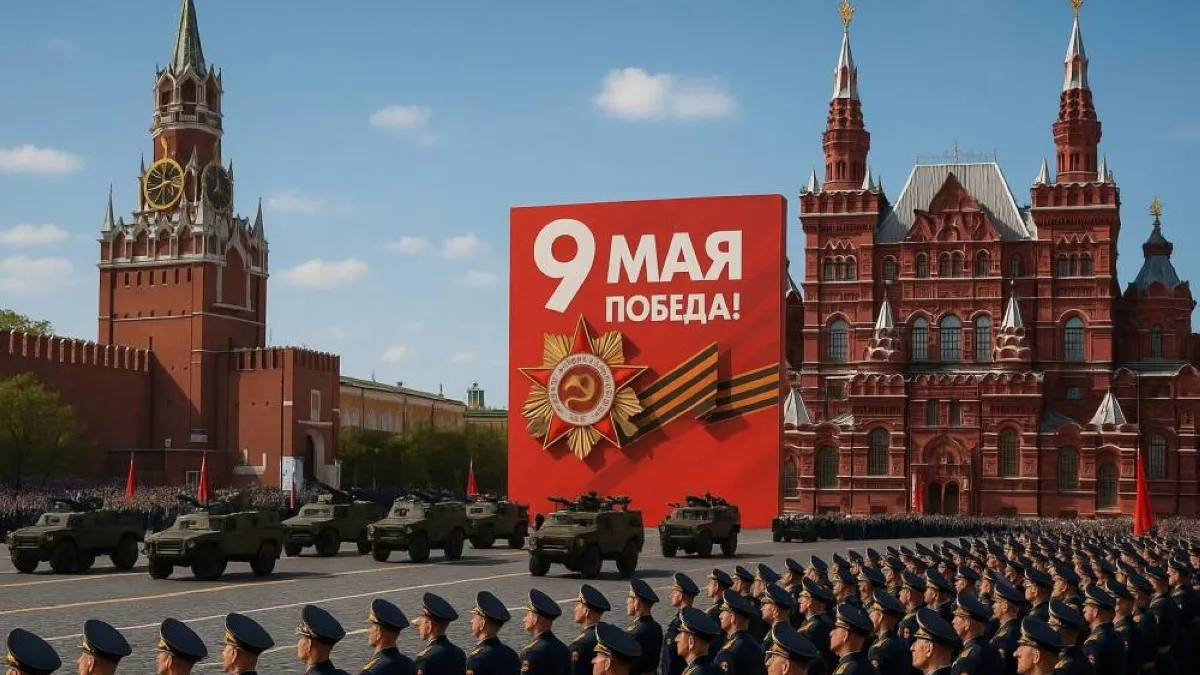
The ongoing conflict between Russia and Ukraine is not limited to the battlefield; it encompasses a broader struggle over historical memory and national identity. Recently, Russian President Vladimir Putin ordered a ceasefire on May 8 and 9, coinciding with the 81st anniversary of the Soviet Union’s victory in World War II, referred to in Russia as the ‘Great Patriotic War.’ In response, Ukrainian President Volodymyr Zelensky announced a counter-ceasefire on May 5 and 6, signaling a significant divergence in historical narratives.
This clash over ceasefire dates is not merely a trivial dispute; it represents a profound confrontation over the narrative of history and the memory associated with it. By choosing May 8 and 9, Putin invokes a deeply entrenched Russian memory linked to national pride and legitimacy, seeking to reinforce a narrative of strength and resilience. Meanwhile, Zelensky’s choice of May 5 and 6 aims to distance Ukraine from Russia’s historical framing, establishing a separate identity amid the ongoing conflict.
Shifts in Commemoration and National Identity
Kyiv’s decision to reject the Russian-dominated narrative is further underscored by legislative changes initiated in 2023, when Zelensky signed a law moving the commemoration date from May 9 to May 8. This shift aligns Ukraine with European observances, distancing itself from Soviet-era traditions. By adopting the title ‘Day of Remembrance and Victory over Nazism,’ Ukraine seeks to redefine the significance of the day from a military celebration to a moment of humanitarian reflection on the costs of war.
Zelensky’s declaration of May 9 as ‘Europe Day’ serves as a potent symbol of Ukraine’s aspirations for European integration and its rejection of Soviet legacies. This move not only marks a clear break from Russia’s historical narrative but also positions Ukraine within a broader European context, emphasizing its commitment to a distinct political identity.
The Geopolitical Implications of Historical Memory
The differences in commemoration highlight a significant geopolitical divide. Russia’s adherence to May 9 reflects its desire to maintain continuity with its Soviet past, while Ukraine’s embrace of May 8 signifies a conscious effort to rewrite its historical narrative. This divergence is not merely a matter of dates; it encapsulates a deeper struggle over the interpretation of history and national identity.
The implications of this historical memory battle extend beyond symbolic gestures. The victor on the battlefield will likely also claim the narrative, influencing how history is remembered and interpreted in the future. As both nations navigate their historical legacies, the conflict reveals a complex interplay between memory, identity, and geopolitical allegiance.
Frequently Asked Questions
What are the significance of the ceasefire dates chosen by Russia and Ukraine?
The ceasefire dates reflect contrasting historical narratives, with Russia invoking Soviet victory and Ukraine aligning with European commemoration.
How has Ukraine’s approach to historical memory changed since 2014?
Ukraine has shifted its commemorative practices to distance itself from Soviet legacies and embrace a European identity, including moving the remembrance date.
What does the declaration of May 9 as ‘Europe Day’ signify for Ukraine?
It symbolizes Ukraine’s aspiration for European integration and a rejection of its Soviet past, reinforcing its distinct political identity.
How does historical memory influence the current conflict?
The struggle over historical memory is intertwined with national identity, impacting both domestic perceptions and international alliances.