Morocco Plans to Boost Strategic Fuel Storage by 1.5 Million Cubic Metres
📋 Key Takeaway: Morocco aims to enhance its fuel storage capacity by over 1.5 million cubic metres by 2030, investing approximately $600 million to strengthen energy security amid global disruptions.
Strategic Expansion of Fuel Storage Capacity
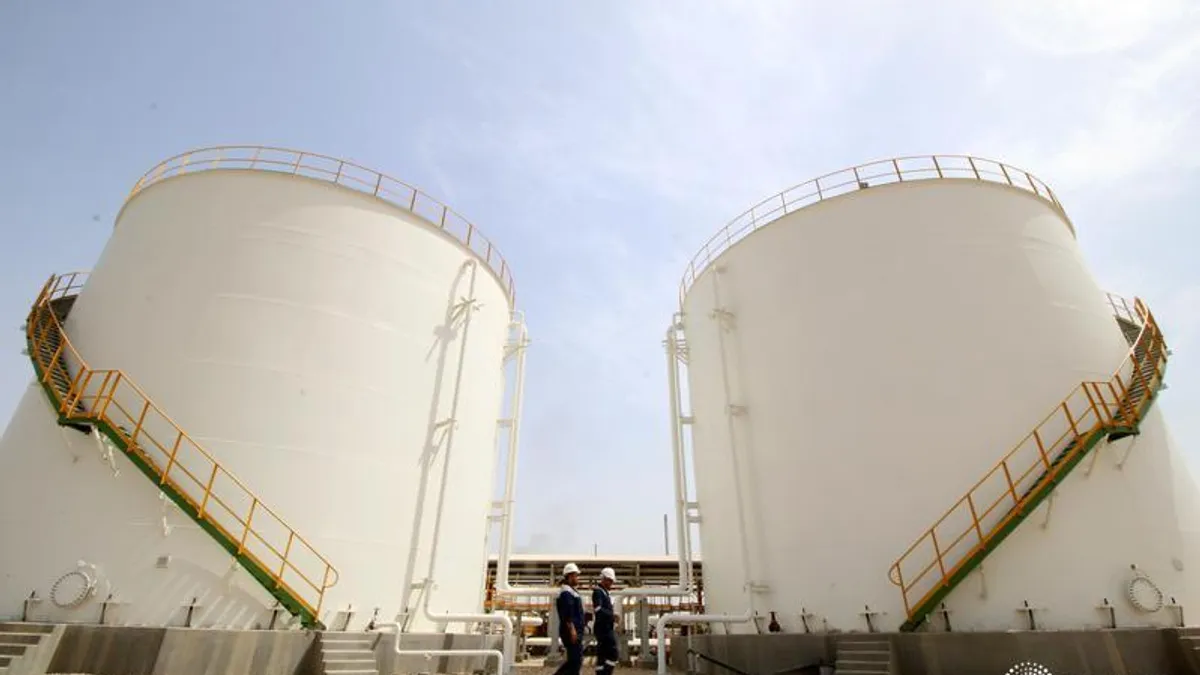
Morocco is set to increase its strategic fuel storage reserve capacity by more than 1.5 million cubic metres (m3) by the year 2030. This initiative is backed by investments estimated at nearly 6 billion Moroccan dirhams, equivalent to approximately $600 million. The announcement was made by Leila Benali, the Minister of Energy Transition and Sustainable Development, during a recent session of the country’s Parliament.
Benali indicated that this expansion forms a crucial part of the government’s broader strategy to bolster strategic reserves amidst ongoing conflicts in the Middle East, which have significantly disrupted global oil and natural gas shipping flows. The minister emphasized that enhancing storage infrastructure is a key pillar of this initiative.
Recent Trends in Fuel Storage Investments
In recent years, investments in fuel storage have surged by over 30 percent, reflecting a growing recognition of the need for enhanced energy security. By 2025, Morocco’s total storage capacity is projected to reach 3.2 million m3. The government is also pursuing additional projects aimed at increasing storage capacity for specific fuels, including approximately 400,000 m3 for butane and 100,000 m3 for jet fuel by 2030.
Furthermore, Benali revealed that the government is exploring the potential utilization of storage facilities owned by La SAMIR, the country’s sole refining company, which is currently undergoing judicial liquidation. This move could provide a significant boost to Morocco’s storage capabilities.
Geographical Diversification of Storage Facilities
Benali noted that approximately 80 percent of the existing storage capacity is concentrated in the Casablanca-Settat and Tangier-Tetouan-Al Hoceima regions. To address this imbalance, the government is actively seeking to diversify investments geographically. A notable focus is on the Nador West Med Port in the eastern region, which is anticipated to play a pivotal role in future hydrocarbons and natural gas storage.
This diversification effort aims to enhance the resilience of Morocco’s energy infrastructure and ensure that the country is better equipped to handle future energy supply challenges.
Frequently Asked Questions
What is the goal of Morocco’s fuel storage expansion?
Morocco aims to increase its fuel storage capacity by over 1.5 million m3 by 2030 to enhance energy security.
How much is Morocco investing in this expansion?
The government is investing approximately 6 billion Moroccan dirhams, or $600 million, in the fuel storage expansion.
What specific types of fuel storage are being targeted?
The expansion includes approximately 400,000 m3 for butane and 100,000 m3 for jet fuel by 2030.
Where is most of Morocco’s existing fuel storage capacity located?
About 80 percent of the existing storage capacity is concentrated in the Casablanca-Settat and Tangier-Tetouan-Al Hoceima regions.
What role will Nador West Med Port play in this strategy?
Nador West Med Port is expected to play a key role in future hydrocarbons and natural gas storage as part of the geographical diversification efforts.