
Iran Proposes 30-Day War Termination Amid US Ceasefire Stalemate
📋 Key Takeaway: Iran has submitted a 14-point proposal to the US demanding a complete end to the war within 30 days, rejecting a two-month ceasefire extension.
Iran’s Proposal for War Termination
Iran has put forth a new 14-point proposal to the United States, calling for a complete termination of hostilities within 30 days. This proposal directly rejects an American offer to extend a ceasefire by two months, as reported by Iranian news agencies. The Iranian leadership emphasizes the need for a definitive end to the conflict rather than merely prolonging temporary ceasefires.
Central to Iran’s proposal is the demand for a firm timeline to conclude the war, urging that negotiations pivot from temporary ceasefire extensions to securing a comprehensive peace agreement. The Iranian plan also seeks security guarantees against future military actions and the withdrawal of U.S. forces from regions adjacent to Iran.
U.S. Response and Implications
U.S. President Donald Trump has indicated he will review Iran’s proposal but expressed skepticism regarding its acceptability. He stated that he cannot envision a deal that includes sanctions relief and an American military withdrawal from the region, particularly given the ongoing tensions. Trump underscored that the U.S. has not yet seen Iran pay a ‘big enough price’ for its actions over the past decades.
Despite the ongoing discussions, the U.S. has paused military strikes against Iran since early April, although hostilities continue in Lebanon. The lack of progress in peace talks, particularly after a second round of negotiations was halted in Islamabad, has raised concerns about the potential for renewed conflict.
Strategic Considerations and Regional Stability
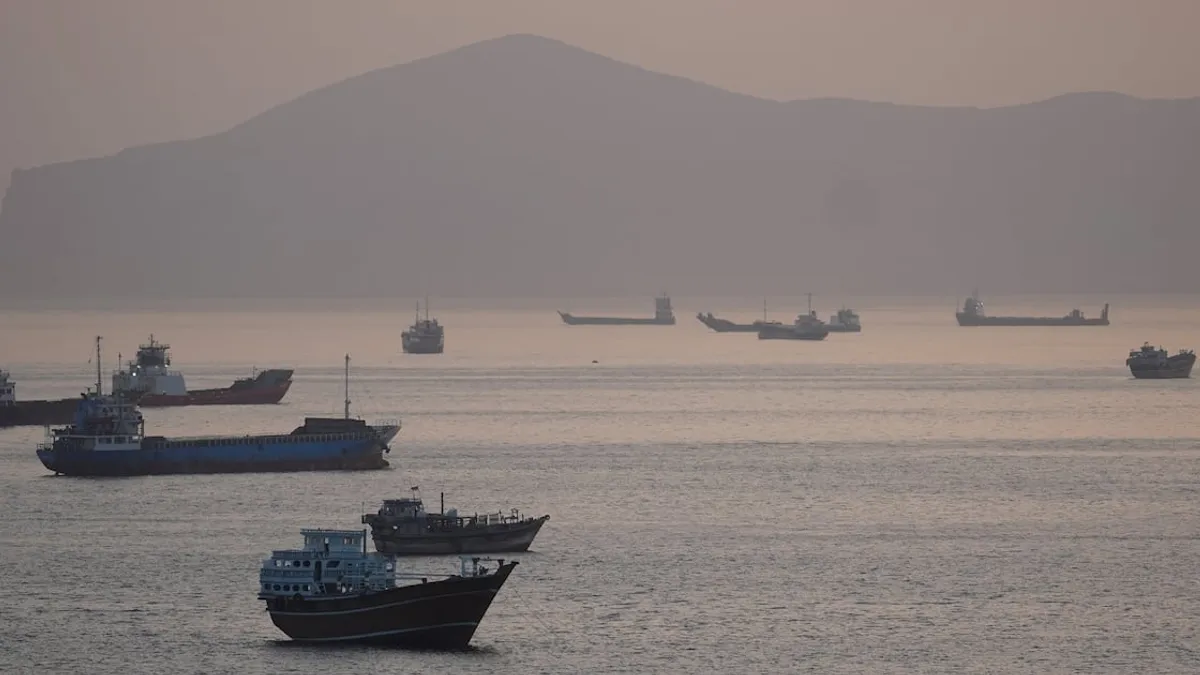
The Strait of Hormuz, a critical global energy transit route through which approximately one-fifth of the world’s oil passes, lies at the heart of the current stalemate. Iran insists that the U.S. must end its naval blockade before Tehran is willing to reopen this vital waterway. The Iranian proposal reflects a broader strategy to address both military and economic pressures that have been exacerbated by ongoing sanctions.
Iran’s Foreign Minister Abbas Araghchi has stated that Tehran is open to diplomatic efforts, contingent upon the U.S. altering its approach and refraining from excessive demands and provocative actions. The Iranian military remains vigilant amid these negotiations, signaling a readiness to respond to any perceived threats.
Frequently Asked Questions
What are the key points of Iran’s proposal?
Iran’s proposal includes a 30-day termination of the war, security guarantees, and the withdrawal of US forces.
How has the US responded to Iran’s proposal?
President Trump expressed skepticism about the proposal’s acceptability and indicated he would review it.
What is the significance of the Strait of Hormuz in this context?
The Strait of Hormuz is crucial for global oil transit, and Iran insists on lifting the US naval blockade before reopening it.
What are the implications for regional stability?
The proposal reflects Iran’s strategy to address military and economic pressures, impacting regional security dynamics.
What is the current status of US-Iran negotiations?
Negotiations have stalled, with no apparent progress since a second round was called off in Islamabad.