
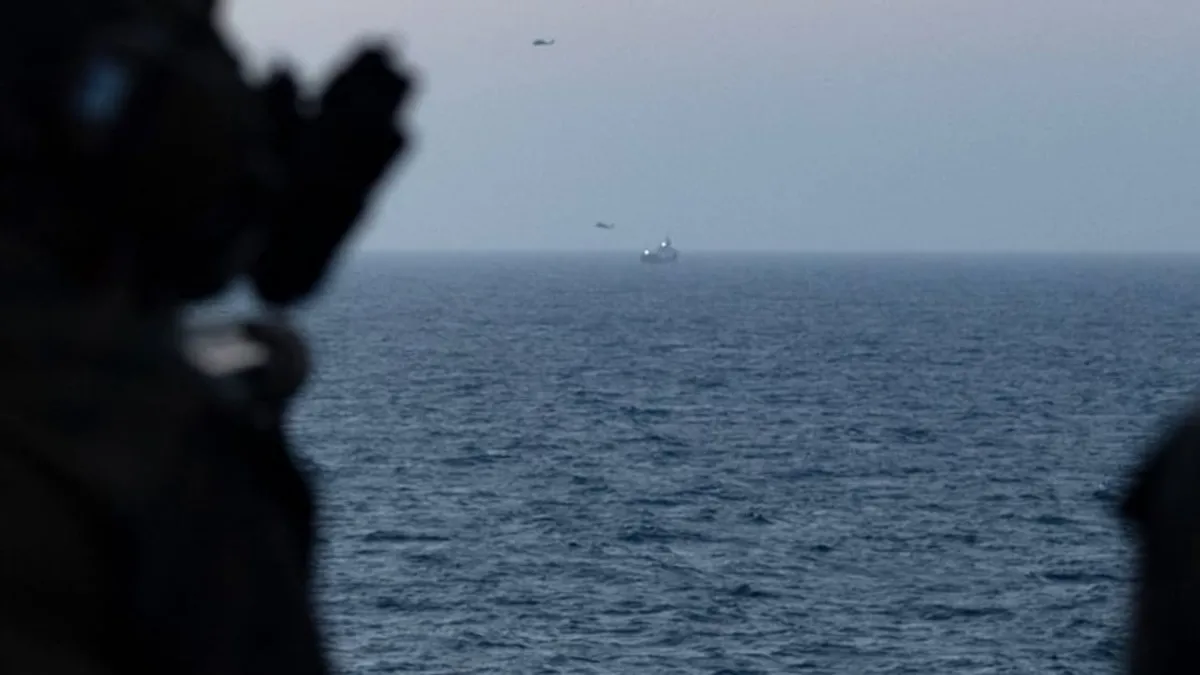
Iran Warns US Against Strait of Hormuz Intervention Amid Escalating Tensions
📋 Key Takeaway: Iran has issued a stern warning to the US against military intervention in the Strait of Hormuz, coinciding with President Trump’s announcement of a US Navy operation to escort foreign vessels through the waterway.
Iran’s Warning to the US
Iran has cautioned the United States against entering the Strait of Hormuz, following a statement from the country’s armed forces reported by state media. This warning comes in response to US President Donald Trump’s announcement that the US Navy would begin escorting foreign vessels through the vital maritime corridor starting Monday. Iranian officials have expressed that any approach by foreign armed forces, particularly the US military, would be met with force.
Trump’s announcement lacked detailed operational specifics, yet US Central Command clarified that it would facilitate the safe transit of merchant vessels in the area. The President emphasized the initiative as a means to ensure that neutral ships could navigate the strait without fear. However, Iranian officials have warned that such actions would be seen as a breach of the ceasefire, potentially escalating existing tensions in the region.
US Military Operations and Regional Impact
The military operation, referred to as Project Freedom, is set to involve a substantial deployment of resources, including guided-missile destroyers, over 100 aircraft, and 15,000 service members. This buildup signals a significant US military presence in the region, aimed at ensuring the safety of commercial shipping through the Strait of Hormuz. However, reports suggest that the US Navy may not directly escort vessels but instead maintain a nearby presence to intervene if necessary.
The potential for open conflict between US and Iranian forces looms as tensions escalate. The recent incidents in the strait, including reports of a tanker being struck by unidentified projectiles, underscore the precarious situation. The Joint Maritime Information Center has classified the threat level in the strait as ‘critical,’ citing risks related to increased military activity and the presence of naval mines.
Ongoing Diplomatic Efforts and Future Negotiations
In the backdrop of military posturing, diplomatic channels remain active. Iranian state media reported that the US had communicated its response to Iran’s 14-point proposal, with discussions being conveyed through Pakistan. However, there has been no confirmation from Washington or Islamabad regarding the details of this response. Iran’s Foreign Ministry has indicated that nuclear negotiations are not currently a priority, as discussions with Oman about ensuring safe passage for ships continue.
The recent cessation of US and Israeli military operations against Iran, coupled with the stalled diplomatic talks, reflects the complexities of the situation. While there was an initial round of discussions between American and Iranian officials, further meetings have yet to materialize, leaving the future of negotiations uncertain.
Frequently Asked Questions
What prompted Iran’s warning to the US?
Iran’s warning followed President Trump’s announcement of a US Navy operation to escort foreign vessels in the Strait of Hormuz.
What is Project Freedom?
Project Freedom is the US military operation aimed at ensuring the safe passage of commercial vessels through the Strait of Hormuz.
How has the situation in the Strait of Hormuz affected shipping?
Iran has blocked most ships from accessing the Strait, leading to increased energy prices and heightened risks for commercial shipping.
Are diplomatic efforts ongoing between the US and Iran?
Yes, diplomatic discussions are ongoing, particularly regarding safe passage for ships, although nuclear negotiations are currently on hold.
What are the risks for vessels transiting the Strait of Hormuz?
The risks include potential military conflict, naval mine threats, and navigation hazards due to increased military presence.