
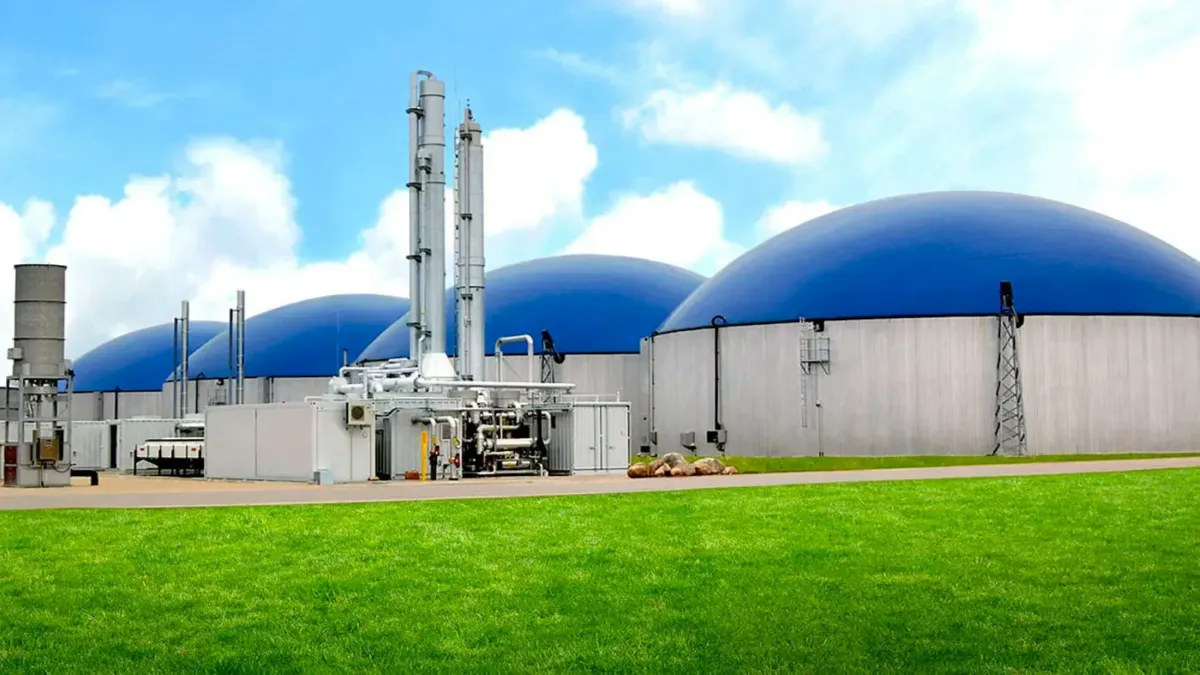
India Faces Cooking Gas Shortages Amid Energy Crunch, Biogas Gains Popularity
📋 Key Takeaway: India is experiencing significant cooking gas shortages due to supply chain issues, prompting many to turn to biogas as a reliable alternative fuel source.
Cooking Gas Shortages Prompt Shift to Biogas
India is facing an energy crisis exacerbated by the ongoing war, leading to long queues for liquefied petroleum gas (LPG) cylinders across the country. Despite government assurances of no gas shortages, supply delays, panic buying, and black market activities have left many struggling to secure cooking gas. In contrast, biogas is emerging as a sustainable alternative, particularly in rural areas.
Gauri Devi, a 25-year-old resident of Nekpur, Uttar Pradesh, has turned to biogas produced from cow dung to meet her cooking needs. Her underground biogas digester provides a consistent supply of methane, allowing her to prepare meals without relying on LPG. “If the pressure goes down, we let it rest for half an hour and it works again,” she explains, highlighting the practicality of biogas for daily cooking.
India consumes over 30 million tonnes of LPG annually, with more than half of its requirements met through imports. The reliance on imported gas has made the country vulnerable to global supply disruptions, prompting a renewed focus on domestic energy solutions like biogas.
Government Initiatives and Rural Adoption of Biogas
The Indian government has long promoted biogas as a low-cost energy source, subsidizing the installation of over five million biogas digesters since the 1980s. These systems convert agricultural waste into methane for cooking and produce nitrogen-rich slurry that can be used as fertilizer. This dual benefit is particularly appealing to farmers, especially in light of rising fertilizer prices due to global supply chain disruptions.
Pramod Singh, a local farmer, has experienced the advantages of biogas firsthand. He installed a larger digester to support his family of six, utilizing 30-45 kilograms of dung daily from his cows. Singh emphasizes that the slurry produced is ‘black gold’ for his crops, offering better nitrogen availability than raw dung.
As India aims for carbon neutrality by 2070, biogas is set to play a crucial role. The government mandates that biogas must comprise at least 1% of liquid gas used for both vehicles and domestic purposes, with a target of 5% by 2028. This policy has spurred the development of multi-million dollar biogas production plants alongside small-scale rural units, which cost around 25,000-30,000 rupees ($265-$318) and are often heavily subsidized.
Challenges to Biogas Adoption
Despite the advantages, biogas remains a secondary fuel source for many households, with LPG preferred for its convenience. A.R. Shukla, president of the Indian Biogas Association, notes that biogas installations require organized operation and maintenance, which can be challenging for individual households. Without community-based support, many may continue to view biogas as a backup rather than a primary energy source.
Barriers to adoption also include the need for land and resources, which many rural laborers lack. Ramesh Kumar Singh, a laborer waiting in line for an LPG cylinder, expressed frustration over the difficulties in accessing cooking fuel. Meanwhile, 77-year-old Mahendri has faced repeated failures to secure a cylinder, highlighting the urgent need for reliable energy sources in rural India.
Frequently Asked Questions
Why is there a cooking gas shortage in India?
The shortage is due to supply chain disruptions, panic buying, and black market activities.
How does biogas production work?
Biogas is produced by mixing cow dung with water in a digester, which generates methane for cooking.
What are the benefits of biogas for farmers?
Biogas provides a reliable cooking fuel and produces nitrogen-rich slurry that enhances soil fertility.
What is the Indian government’s biogas policy?
The government mandates that biogas must comprise at least 1% of liquid gas used domestically, rising to 5% by 2028.
What challenges do rural households face in adopting biogas?
Challenges include the need for organized maintenance, land availability, and initial installation costs.