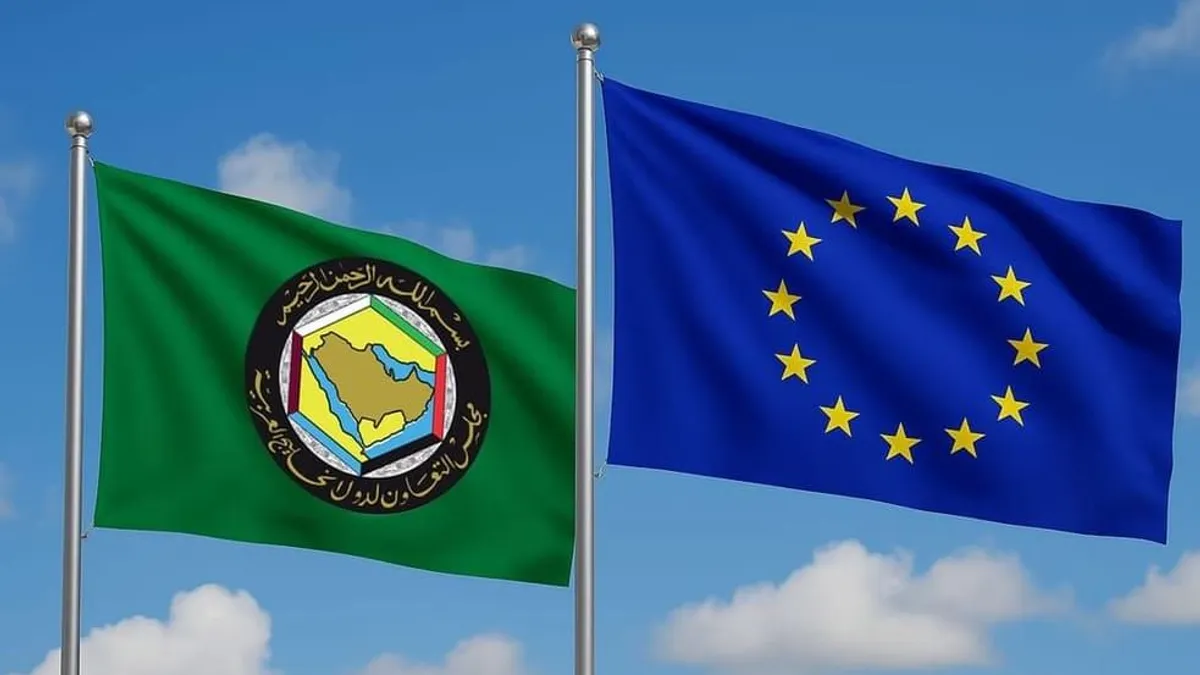
EU Strengthens Gulf Ties Amid Rising Regional Security Challenges
EU foreign ministers met in Brussels on Monday to prioritize a stronger strategic partnership with the Gulf Cooperation Council (GCC). Led by Kaja Kallas, the EU’s High Representative for Foreign Affairs, the summit focused on securing trade routes, managing regional conflicts, and reviving diplomatic ties in the Middle East.
Key Highlights
The EU is officially strengthening its strategic and security bonds with Gulf nations. Maritime Security: Plans are underway to expand Operation Aspides to protect trade in the Strait of Hormuz. Sanctions Imposed: New sanctions have been adopted against extremist settlers and Hamas to curb regional violence. Syria Dialogue: The EU is reactivating its cooperation agreement with Damascus, pending political transition progress.
- GCC Partnership: The EU is officially strengthening its strategic and security bonds with Gulf nations.
- Maritime Security: Plans are underway to expand Operation Aspides to protect trade in the Strait of Hormuz.
- Sanctions Imposed: New sanctions have been adopted against extremist settlers and Hamas to curb regional violence.
- Syria Dialogue: The EU is reactivating its cooperation agreement with Damascus, pending political transition progress.
Securing Global Trade Routes
A major focus of the meeting was the deteriorating security situation in the Strait of Hormuz. Kaja Kallas reported that recent Iranian attacks have significantly disrupted vital international trade routes.
In response, the EU plans to enhance Operation Aspides, its dedicated naval mission. By leveraging decades of experience in dealing with Iran, the EU aims to ensure the continued freedom of navigation in these critical waters.
Addressing the Crisis in Gaza
The ministers described the situation in the Gaza Strip as “extremely serious.” Discussions highlighted the deadlock in peace talks and the continued refusal of Hamas to disarm, which raises the risk of further escalation.
To address the violence, the EU has adopted a new sanctions list. These measures target both extremist settlers and members of Hamas, signaling that the EU will no longer tolerate actions that fuel regional instability.
A New Chapter for Syria
In a significant diplomatic shift, the EU agreed to reactivate its Cooperation Agreement with Syria. This move is intended to signal a willingness to resume high-level political dialogue with Damascus.
While the EU is ready to support Syria’s reconstruction and transition phase, Kallas emphasized that concrete financial and developmental aid depends on a “genuine and inclusive political transition.”
Future Outlook
The EU’s pivot toward deeper engagement with the GCC suggests a long-term commitment to Middle Eastern stability. By combining military naval support with targeted sanctions and renewed diplomacy, Brussels is attempting to move past previous political deadlocks.
Frequently Asked Questions
What is Operation Aspides?
It is a European naval operation designed to protect merchant ships and ensure freedom of navigation in sensitive corridors like the Strait of Hormuz.
Why is the EU sanctioning extremist settlers?
The EU aims to curb the surge in violence and extremism in the region. By imposing sanctions, they hope to hold individuals accountable and encourage a return to diplomatic negotiations.
Is the EU providing reconstruction funds to Syria immediately?
Not yet. While the EU has reactivated its cooperation agreement to start a dialogue, full support for reconstruction is on hold until there is clear progress toward a fair political transition.