
Oil Prices Decline as Shipping Resumes Through Strait of Hormuz Amid Ongoing Supply Chain Challenges
📋 Key Takeaway: Oil prices have eased following the resumption of shipping through the Strait of Hormuz, though ongoing supply chain complexities and geopolitical risks continue to exert pressure on global markets.
Resumption of Shipping Offers Temporary Relief
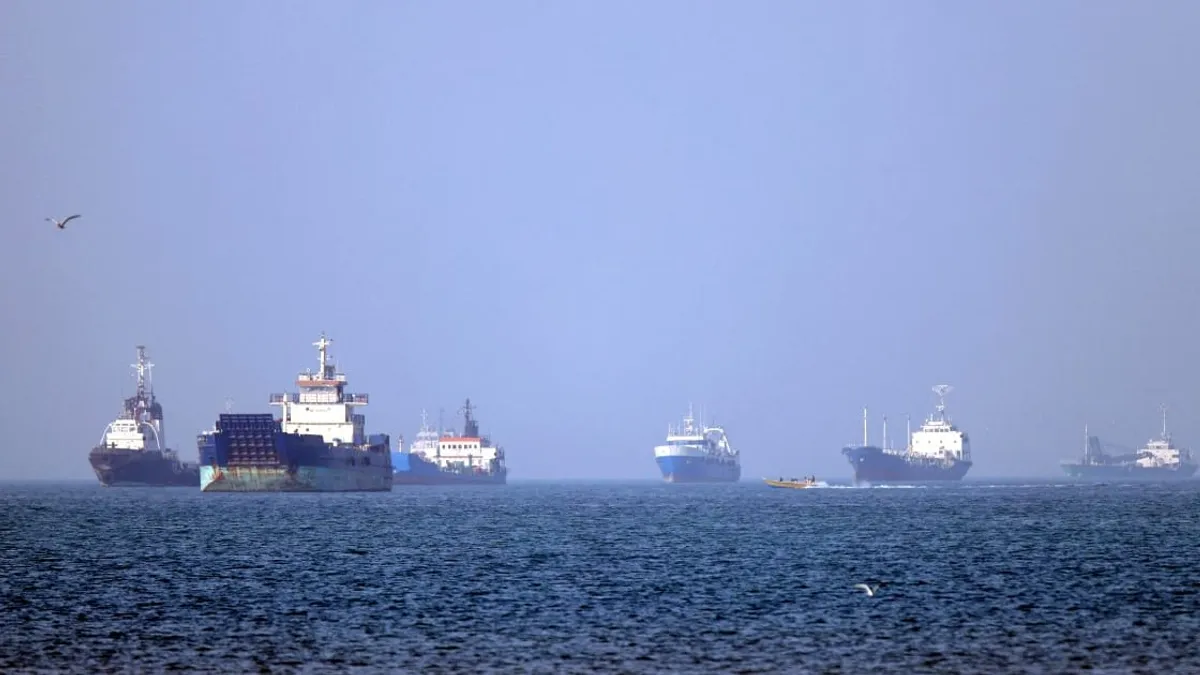
Oil prices have experienced a decline as markets reacted positively to indications that shipping could resume through the Strait of Hormuz. This development follows a U.S.-led initiative, reportedly linked to former President Donald Trump, aimed at facilitating the movement of vessels through the waterway that had been disrupted for weeks. Approximately 1,000 ships had been stranded due to the blockage, and the prospect of renewed activity has provided immediate relief to traders.
However, this relief is largely based on expectations rather than actual changes on the ground. The Strait of Hormuz is a critical artery for global energy supply, transporting nearly 20% of the world’s oil. Even temporary disruptions can create lasting pressures on trade and pricing systems, complicating the recovery process.
Supply Chain Complexities Introduce New Challenges
As vessels begin to navigate the Strait again, the operational environment has become increasingly complex. The return to normalcy is hindered by additional layers of coordination, security measures, and routing adjustments that are affecting shipping timelines. Nigel Green, CEO of deVere Group, describes this phenomenon as a ‘latency shock’ impacting global supply chains. He emphasizes that while markets are optimistic about the movement of ships, the logistical system is not designed to reset instantaneously.
The necessity for coordinated convoys and increased inspections has extended transit times, adding pressure to an already strained global trade network. Green underscores that the real disruption extends beyond oil prices, highlighting how delays affect the speed of goods movement across various sectors.
Economic Implications of Slower Shipping
The repercussions of slower shipping are being felt across multiple industries that rely on predictable supply chains. Green notes that every additional hour spent at sea or waiting for clearance translates into increased costs throughout the economy. These effects are interlinked, creating ripple effects that contribute to inflationary pressures at various levels.
Manufacturers are experiencing delays in receiving essential inputs, while retailers are forced to adjust their delivery expectations. Meanwhile, energy buyers are grappling with unpredictable supply conditions, complicating their procurement strategies. The interconnected nature of these industries means that disruptions in one area can lead to broader economic ramifications.
Geopolitical Risks and Future Outlook
The geopolitical landscape continues to influence the outlook for energy flows through the Strait of Hormuz. Fitch Ratings has indicated that while oil flows may gradually normalize in the coming months, there remains a significant risk of escalated conflict that could further restrict shipping and elevate oil price risk premiums.
Emerging markets in Asia, heavily reliant on energy imports through the Strait, are particularly vulnerable to these developments. Fitch points out that this dependence heightens their sensitivity to supply disruptions and price volatility. Additionally, downstream industries, such as aviation, may face challenges due to potential shortages in jet fuel, prompting airlines to reconsider their operational networks.
The current trading environment is characterized by reduced efficiency and heightened uncertainty. Green cautions that while the reopening of the Strait may alleviate immediate congestion, it does not restore the speed or predictability that global supply chains previously relied upon. The ramifications of these disruptions are likely to persist, affecting trade flows and economic activity even as shipping resumes.
Frequently Asked Questions
What caused the disruption in the Strait of Hormuz?
The disruption was caused by geopolitical tensions that blocked shipping for several weeks.
How does the Strait of Hormuz impact global oil supply?
The Strait of Hormuz is a critical passage for nearly 20% of the world’s oil supply, making it vital for global energy markets.
What are the economic implications of slower shipping times?
Slower shipping times can lead to increased costs across industries, contributing to inflationary pressures.
Are there risks of further disruptions in the future?
Yes, geopolitical risks remain high, with potential for escalated conflicts that could impact shipping routes.
How are emerging markets affected by these disruptions?
Emerging markets, particularly in Asia, are vulnerable due to their heavy reliance on energy imports from the Strait.