
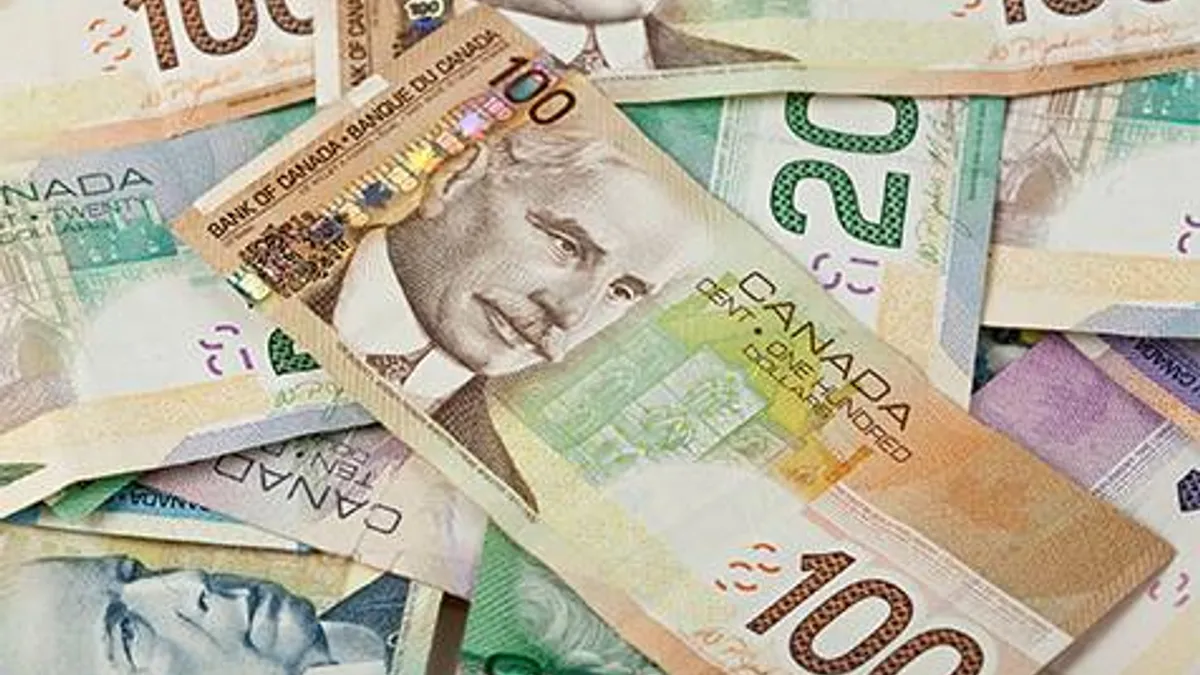
Canadian Dollar Declines Amid Rising Tensions and Oil Prices
📋 Key Takeaway: The Canadian dollar fell against the US dollar on Monday due to escalating tensions between the US and Iran, despite rising oil prices.
Canadian Dollar Performance and Geopolitical Concerns
On Monday, the Canadian dollar, colloquially known as the ‘loonie’, depreciated by 0.2% against the US dollar, trading at 1.3615 CAD to 1 USD, equivalent to 73.45 cents. This decline occurred amidst heightened fears of a potential direct confrontation between the United States and Iran in the Strait of Hormuz, negatively impacting investor sentiment.
The currency had previously reached its strongest level since March 10, at 1.3548 CAD on Friday. The recent drop reflects ongoing geopolitical instability, particularly following announcements from the US military regarding the deployment of destroyers in the Gulf to counter Iranian threats.
Darren Richardson, Chief Operating Officer at Vantry Capital, indicated that negative news continues to bolster the US dollar, while positive developments tend to support the Canadian dollar. This dynamic is evident as the US dollar, perceived as a safe haven, gained strength against a basket of major currencies.
Oil Prices Surge Amid Military Movements
Simultaneously, oil prices have surged significantly, with Brent crude rising by 5.6% to over $114 per barrel and West Texas Intermediate increasing by 3.6% to surpass $105. These price hikes are critical for Canada, a major oil-exporting nation, as they could influence domestic economic conditions and inflation rates.
The Bank of Canada has suggested that sustained high oil prices could necessitate consecutive interest rate hikes to counter inflationary pressures. Investors are currently pricing in at least two rate increases by the end of 2026, with expectations of a potential hike as early as July.
Data from the Commodity Futures Trading Commission indicates that speculators have reduced their negative bets on the Canadian dollar, with net short positions falling to 38,476 contracts as of April 28, down from 58,834 contracts the previous week.
Market Reactions and Future Implications
In light of these developments, the Canadian dollar’s performance is closely tied to geopolitical events and oil market dynamics. The US military’s actions in the Gulf have escalated tensions, and further military engagements could lead to increased volatility in both oil prices and the Canadian dollar.
As the situation unfolds, market participants will be vigilant regarding the implications for Canadian monetary policy and the potential for further interest rate adjustments. The interplay between oil prices and the Canadian dollar will remain a focal point for investors as they navigate these turbulent waters.
Frequently Asked Questions
Why did the Canadian dollar decline?
The Canadian dollar declined due to rising geopolitical tensions between the US and Iran, impacting investor sentiment.
How are oil prices affecting the Canadian economy?
Rising oil prices are crucial for the Canadian economy as they can influence inflation and monetary policy decisions.
What is the outlook for the Canadian dollar?
The outlook for the Canadian dollar will depend on geopolitical developments and oil market conditions.
What actions might the Bank of Canada take in response to oil prices?
The Bank of Canada may consider raising interest rates if high oil prices contribute to rising inflation.
How do geopolitical tensions affect currency markets?
Geopolitical tensions typically lead to increased volatility in currency markets, often strengthening safe-haven currencies like the US dollar.