Iraq Finalizes Purchase of 20 Air Defence Systems from Turkey Amid Regional Tensions
📋 Key Takeaway: Iraq is finalizing a deal to acquire 20 air defense systems from Turkey, aimed at strengthening its military capabilities against drone threats amid ongoing regional tensions.
Iraq’s Strategic Move to Enhance Air Defenses
Iraq is in the final stages of securing a contract for 20 air defense systems from Turkey, according to a senior Iraqi defense official. This acquisition is part of Baghdad’s strategy to bolster its military capabilities in light of the increasing frequency of drone and missile attacks that have plagued the country, particularly since the onset of the recent conflict involving Iran.
Lt Gen Saad Harbiye, the Deputy Army Chief of Staff for Operations, emphasized the urgency of the purchase during an interview at the Saha defense show in Istanbul. He noted that the skies over Iraq have been increasingly filled with drones, necessitating enhanced interception capabilities to protect vital assets such as oilfields and diplomatic missions.
While the exact financial details of the deal remain undisclosed, Lt Gen Harbiye confirmed that the systems will be supplied by state-owned Turkish enterprises. He praised the quality and cost-effectiveness of Turkish defense technology, highlighting Iraq’s geographical proximity to Turkey as a significant factor in the decision.
Implications of the Air Defense Deal
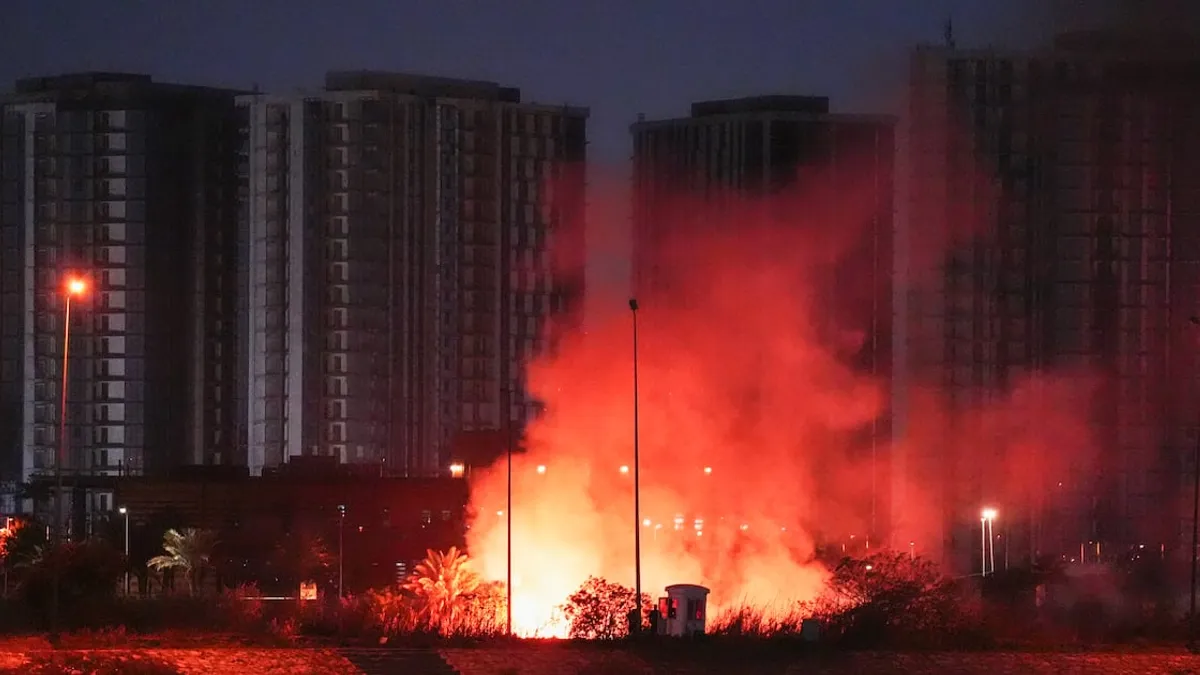
The urgency of this air defense initiative stems from a series of drone and missile strikes that have targeted Iraq since February, exacerbating the country’s already precarious security situation. The conflict has seen Iraq caught in the crossfire between US and Israeli strikes on Iranian-backed militia sites, alongside retaliatory attacks from Iran.
Iraq’s reliance on oil exports for government revenue makes these attacks particularly alarming, as they threaten both economic stability and the country’s efforts to project a stable image following decades of conflict. Lt Gen Harbiye expressed concern about the need for Iraq to remain neutral amidst regional tensions, stating that the country does not wish to be drawn into the ongoing conflict.
The deal also reflects a broader trend of improving Iraq-Turkey relations, as both nations seek to collaborate on security and economic fronts. Lt Gen Harbiye mentioned ongoing discussions regarding cyber security cooperation, indicating a desire for deeper ties beyond military procurement.
Challenges Ahead for Iraq’s Security Landscape
While the acquisition of Turkish air defense systems represents a significant step forward for Iraq, challenges remain. Lt Gen Harbiye acknowledged the need for effective interception capabilities against drones, which are often more difficult to target than traditional missiles. He noted that many existing systems are economically inefficient, requiring expensive missiles to intercept relatively inexpensive drones.
The ongoing threat posed by ISIS remnants in regions like Mosul, Anbar, and Kirkuk adds another layer of complexity to Iraq’s security landscape. Lt Gen Harbiye stated that while the number of ISIS members has dwindled, the potential for resurgence remains a concern, necessitating continued vigilance and military readiness.
Frequently Asked Questions
What air defense systems is Iraq purchasing from Turkey?
Iraq is finalizing a deal to acquire 20 air defense systems from Turkish state-owned enterprises.
Why is Iraq enhancing its air defense capabilities?
The enhancement is aimed at countering increased drone and missile threats amid regional conflicts.
How does Iraq’s reliance on oil exports affect its security decisions?
Iraq’s dependence on oil exports makes it vulnerable to attacks that could destabilize its economy.
What are the implications of Iraq-Turkey relations?
Improved relations may lead to enhanced military cooperation and economic partnerships.
What challenges does Iraq face regarding ISIS?
Iraq continues to combat the remnants of ISIS, which poses a threat to national security despite their reduced numbers.