
Dollar Falls as Yen Reaches Two-Month High Amid U.S.-Iran Deal Talks
📋 Key Takeaway: The dollar has weakened against most major currencies following indications of a potential U.S.-Iran agreement, while the yen surged to a two-month high.
Dollar Declines Amid U.S.-Iran Negotiations
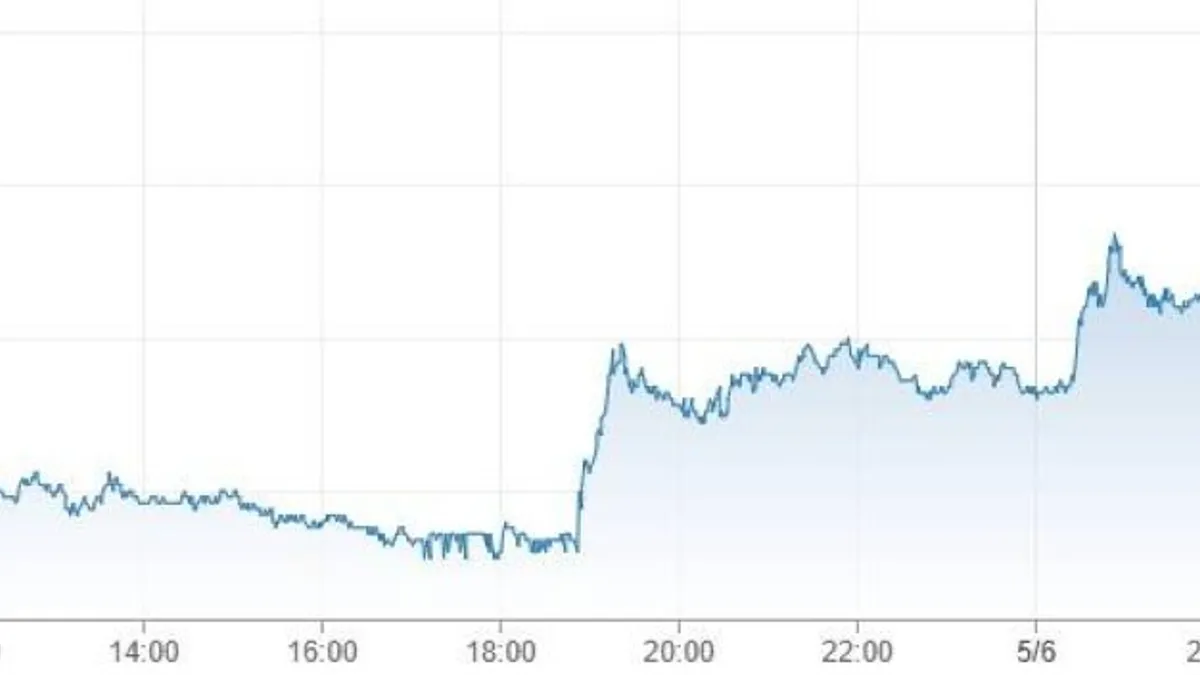
The dollar experienced a notable decline against most major currencies on Tuesday as the United States signaled progress towards a potential agreement with Iran. This development contributed to a sudden spike in the yen, which rose by as much as 1.8%, pushing the dollar down to 155 yen, its lowest level of the session and close to its weakest point against the Japanese currency since February 24.
Initially, the dollar had shown strength against most currencies earlier in the session. However, it fell sharply against the yen, raising speculation of another round of intervention by Japanese authorities. Jeremy Stretch, head of currency strategy at CIBC Capital Markets, noted that external factors, such as rising U.S. Treasury yields, are exerting pressure on the yen, contributing to its recent decline in the markets.
Other Major Currencies Gain Ground
In addition to the yen’s rise, most other major currencies also gained against the dollar following the announcement by U.S. President Joe Biden that he would temporarily halt escort operations for vessels in the Strait of Hormuz. This statement highlighted the progress made towards a comprehensive agreement with Iran, further fueling optimism in the foreign exchange markets.
This shift in sentiment came shortly after U.S. Secretary of State Marco Rubio announced that the United States had achieved its military objectives in its campaign against Iran and expressed a desire to avoid further escalation. As a result, the euro rose by 0.4% to 1.1735 dollars, while the British pound also increased by the same margin to 1.3598 dollars.
Australian Dollar Nears Four-Year High
The Australian dollar traded near its highest level in four years, climbing 0.8% to 0.724 U.S. dollars. This increase followed the Reserve Bank of Australia’s decision to raise interest rates for the third time this year, indicating a tightening monetary policy that has bolstered the currency’s strength.
Market participants are now looking ahead to the upcoming non-farm payrolls report, which is expected to be released later this week. This report will serve as a critical indicator of whether the U.S. economy remains robust enough to maintain the Federal Reserve’s current monetary policy or if a cooling labor market could reignite discussions around potential interest rate cuts.
Frequently Asked Questions
Why is the dollar declining against other currencies?
The dollar is declining due to indications of a potential U.S.-Iran agreement and rising U.S. Treasury yields.
What impact does the yen’s rise have on the market?
The yen’s rise suggests increased investor confidence in Japan’s economic stability and could lead to further interventions by Japanese authorities.
How are other currencies performing against the dollar?
Most major currencies, including the euro and British pound, have gained against the dollar amid shifting market sentiments.
What is the significance of the upcoming non-farm payrolls report?
The non-farm payrolls report will provide insights into the labor market’s strength and influence future Federal Reserve monetary policy decisions.