
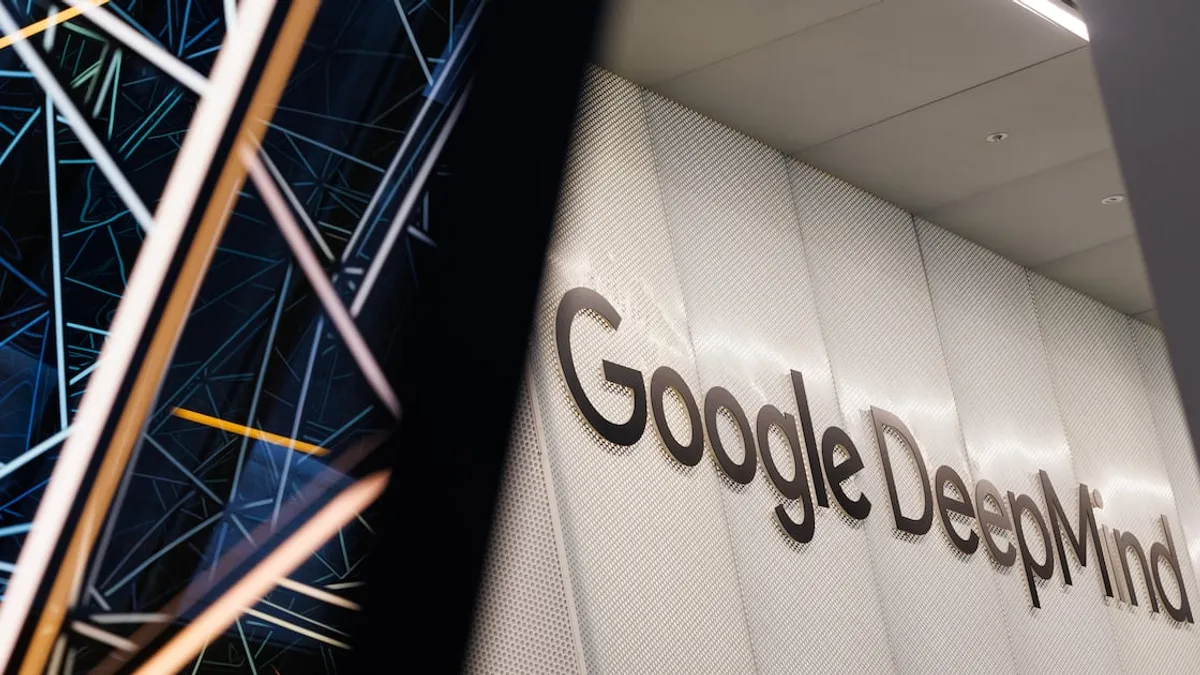
Google DeepMind Workers Vote for Union Representation Amid Ethical Concerns
📋 Key Takeaway: Workers at Google DeepMind in the UK have voted overwhelmingly to seek union representation, citing ethical concerns over the use of their AI technology by military forces.
DeepMind Employees Overwhelmingly Support Unionization
In a decisive vote, 98 percent of the Communication Workers Union (CWU) members at DeepMind have expressed their support for union representation. This move aims to secure formal representation for approximately 1,000 staff members based in the London office. The vote reflects growing unease among employees regarding the ethical implications of the AI technologies they develop, particularly their potential applications in military contexts.
One anonymous software developer highlighted the disconnect between the company’s messaging, which promotes AI as a tool for the greater good, and its actual applications. They pointed out that while some projects, such as predicting weather events, align with humanitarian goals, the same technology could be exploited for military purposes, such as analyzing drone footage in conflict zones like Gaza.
The employee noted that despite multiple attempts to engage with leadership on these issues, including petitions that garnered hundreds of signatures and discussions at town hall meetings, their concerns have largely gone unaddressed. This lack of communication has contributed to a sense of betrayal among staff members who initially believed in the positive potential of their work.
Union’s Call for Recognition and Potential Actions
John Chadfield, the CWU’s national officer for tech workers, has formally reached out to Debbie Weinstein, the head of Google UK, demanding recognition of the CWU and Unite unions under British law. He emphasized the significance of this moment, stating that tech workers at Google’s AI lab are aligning their efforts with global communities facing oppression. Chadfield believes that by organizing collectively, these workers are in a strong position to advocate for ethical practices within the company.
Chadfield’s letter gives Google a 10-day deadline to recognize the unions, underscoring the urgency of the situation. If their concerns continue to be ignored, workers are prepared to consider direct actions, including a potential ‘research strike’ that could halt advancements on projects like Gemini, Google’s chatbot technology.
The call for union representation comes in the wake of previous controversies surrounding Google’s contracts with the Israeli military. In 2024, the company terminated 28 employees who participated in protests against Project Nimbus, a $1.2 billion contract aimed at providing AI and cloud services to the Israeli government and military.
Implications for the Tech Industry
The push for unionization at DeepMind may signal a broader trend within the tech industry, where workers are increasingly vocal about ethical concerns surrounding their products. As technology companies continue to engage in contracts with military entities, employees are likely to seek greater accountability and ethical standards from their employers. This movement could pave the way for more organized labor efforts across the sector, as workers align their professional roles with their moral beliefs.
Frequently Asked Questions
Why are DeepMind employees seeking union representation?
They are concerned about the ethical implications of their AI technology being used by military forces.
What percentage of DeepMind workers voted for unionization?
98 percent of the Communication Workers Union members voted in favor of seeking union representation.
What actions might DeepMind workers take if their concerns are ignored?
Workers may consider direct actions such as a research strike or halting work on certain projects.
How has Google responded to previous employee protests?
In 2024, Google fired 28 employees who protested against contracts with the Israeli military.
What is Project Nimbus?
Project Nimbus is a $1.2 billion contract between Google, Amazon, and the Israeli government for AI and cloud services.