Jordan Launches Airstrikes on Drug Smugglers in Southern Syria
📋 Key Takeaway: Jordan’s military conducted airstrikes targeting drug smuggling operations in southern Syria, focusing on new methods employed by traffickers.
Jordan’s Targeted Airstrikes Against Drug Operations
In a significant escalation of its anti-drug efforts, the Jordanian military executed predawn airstrikes on Sunday aimed at dismantling drug smuggling operations in southern Syria. The operation was primarily focused on the Druze-majority province of Sweida, an area that has seen a resurgence in Captagon production and trafficking following the fall of Bashar Al Assad’s regime in December 2024. This new wave of drug smuggling has been characterized by the adoption of advanced balloon technology, allowing traffickers to evade detection while operating from remote locations.
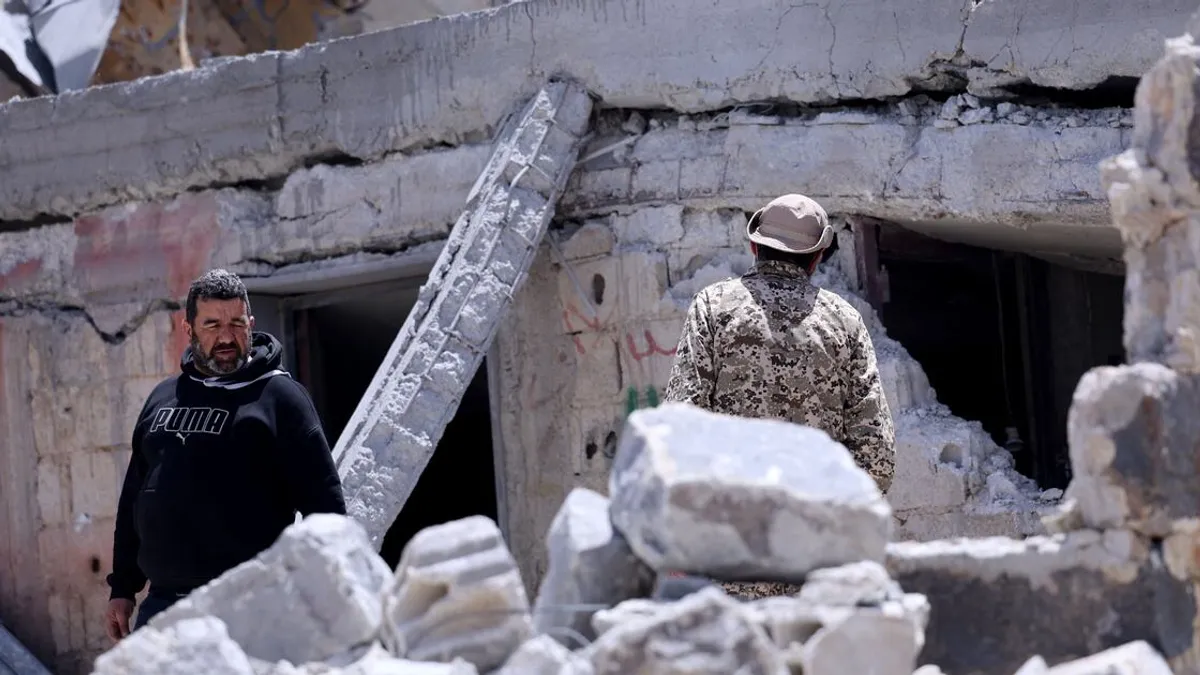
According to military sources, the airstrikes targeted factories, workshops, and warehouses believed to be integral to the drug supply chain. In contrast to previous operations, which were limited to border areas, these strikes penetrated deeper into Syrian territory, indicating a shift in Jordan’s strategy to combat the growing threat posed by drug traffickers. The Jordanian military has historically avoided targeting areas populated by Bedouin tribes, who have familial ties to Jordan.
Emergence of New Smugglers and Techniques
The dynamics of drug trafficking in southern Syria have evolved significantly since the Assad regime’s collapse. A source monitoring the illegal trade noted that many prominent drug lords have either been killed or have fled to the Badia region, leaving a new generation of smugglers in charge. These younger traffickers, lacking access to large-scale production facilities, have resorted to innovative methods such as using remote-controlled hot-air balloons for smuggling operations. This technology enables them to operate from inhospitable terrains, significantly complicating detection efforts.
Historically, Jordan’s border has served as a crucial conduit for Captagon, an amphetamine-like substance that commands high profit margins in illegal markets, particularly in Saudi Arabia and other Gulf nations. The Jordanian authorities have observed a reduction in drug flows following the Assad regime’s downfall, attributed to the absence of regime forces and pro-Iranian militias that previously facilitated the trade. However, the sophistication of smuggling attempts has increased, with fewer attempts resulting in higher success rates.
Recent Developments and Regional Cooperation
In February, Syrian security forces seized a substantial cache of drugs, including 75 balloons and over two million Captagon pills, from a gang preparing to smuggle these substances into Jordan. This operation underscored ongoing efforts to combat drug trafficking across borders. Furthermore, in the first quarter of last year, Syria, Lebanon, Turkey, and Iraq initiated a collaborative effort to share intelligence on the movement of illegal drugs, following an incident where the Jordanian army killed four drug smugglers attempting to infiltrate from Syria.
The recent airstrikes also targeted properties associated with individuals suspected of involvement in drug networks, including a farm in Sweida linked to Fares Saimoua, a figure believed to oversee a Captagon operation. Notably, some raids inadvertently affected civilians, prompting the National Guard, a Druze militia backed by Israel, to claim that Jordan had not coordinated with them regarding these attacks.
Frequently Asked Questions
What prompted Jordan’s recent airstrikes in Syria?
The airstrikes were aimed at dismantling drug smuggling operations utilizing advanced balloon technology in southern Syria.
How has drug trafficking changed since the fall of Bashar Al Assad?
Many drug lords have been eliminated or fled, leading to younger smugglers using innovative methods like remote-controlled balloons.
What impact do Captagon smuggling operations have on regional security?
Captagon trafficking poses significant security challenges for Jordan and neighboring Gulf countries, particularly Saudi Arabia.
How are neighboring countries cooperating to combat drug trafficking?
Syria, Lebanon, Turkey, and Iraq have agreed to share intelligence on the movement of illegal drugs.
What was the outcome of the recent raids in Sweida?
The raids targeted suspected drug operations but also affected properties of civilians, raising concerns about coordination.