
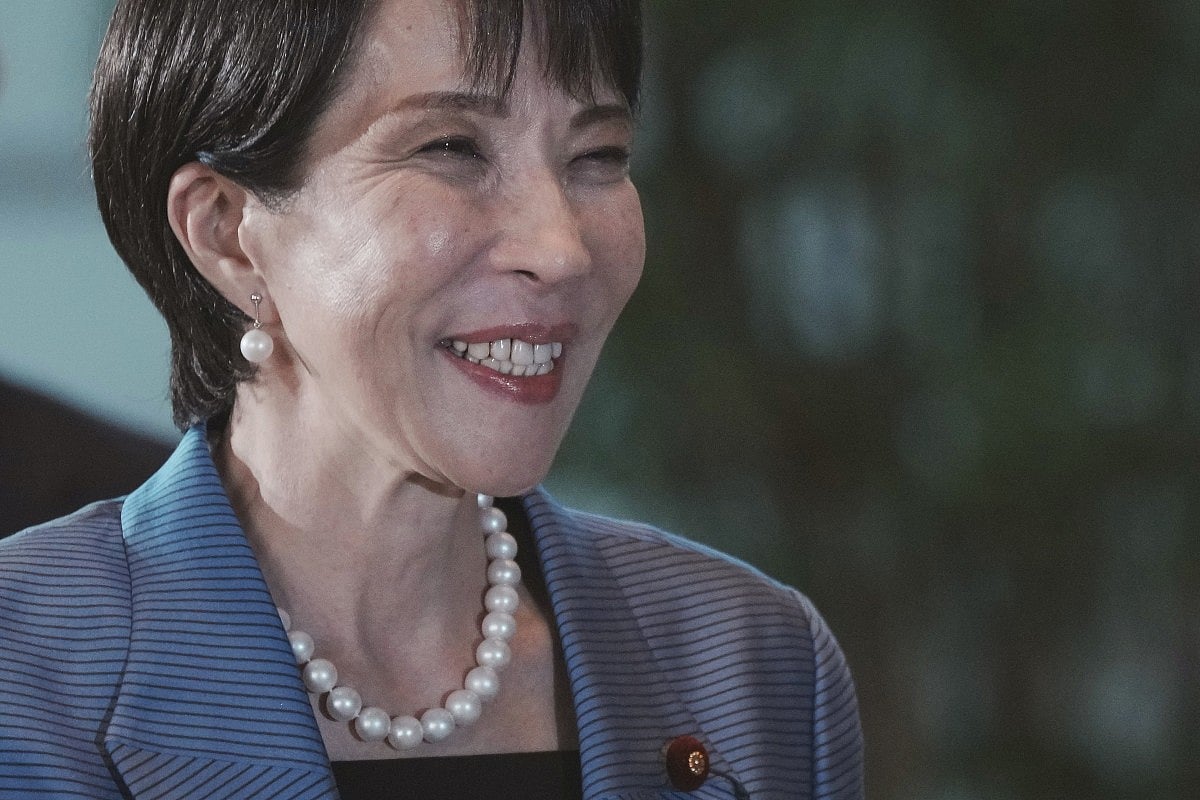
Sanae Takaichi Becomes Japan’s First Female Prime Minister
Sanae Takaichi has made history as Japan’s first female prime minister, a significant milestone in a country known for its traditional political landscape. At 64, Takaichi’s ascent to power comes amid a backdrop of political instability and public discontent, raising questions about her ability to navigate the challenges ahead.
Political Background and Ideology
Takaichi, a seasoned politician from Nara, has long been associated with conservative values, drawing inspiration from former British Prime Minister Margaret Thatcher. Her leadership style reflects a blend of hardline conservatism and a commitment to national strength. As a member of the ruling Liberal Democratic Party (LDP), she has taken office following a leadership victory and a coalition agreement that secures a parliamentary majority.
Her political career has been marked by a focus on economic security, defense, and social conservatism. Takaichi has previously served as Japan’s economic security minister and has been vocal about the need to bolster the nation’s defense capabilities, particularly in response to China’s military expansion. Despite her traditional views, she has indicated a willingness to address gender representation in her cabinet, aiming for a more balanced approach compared to her predecessor.
Challenges Ahead
Takaichi’s rise comes at a time when the LDP is grappling with declining public support, rising inflation, and a scandal that has tarnished its reputation. Her leadership marks the fifth change in Japan’s prime ministership in as many years, highlighting the political volatility that has characterized recent administrations.
Economically, Takaichi’s proposed policies, dubbed “Sanaenomics,” echo the strategies of her mentor, Shinzo Abe. She advocates for aggressive monetary easing and increased government spending to stimulate growth, despite concerns about Japan’s growing public debt. Investor confidence has surged, with the Nikkei index nearing record highs, reflecting optimism about her market-friendly policies.
However, Takaichi faces significant hurdles. Inflation rates have consistently exceeded the Bank of Japan’s 2% target, and stagnant wages coupled with a weak yen have increased import costs. Japan’s aging and shrinking population poses long-term challenges for labor markets and economic growth. While she has suggested tax incentives for companies supporting childcare, details on broader demographic reforms remain sparse.
Foreign Policy Stance
On the international stage, Takaichi has historically adopted a hawkish stance towards China, though she has moderated her rhetoric since taking office. She reaffirms Japan’s alliance with the United States and is set to host President Donald Trump amid ongoing trade discussions. Her coalition government, formed with the right-leaning Japan Innovation Party, holds a minority position in both houses of parliament, necessitating cross-party collaboration to enact legislation.
Gender Representation and Social Issues
Despite her conservative ideology, Takaichi has committed to enhancing gender representation within her cabinet, aiming for levels comparable to Nordic countries. This commitment comes in response to Japan’s low ranking in the World Economic Forum’s Gender Gap Report, where it stands at 118th out of 148 nations. During her campaign, she also addressed women’s health issues, sharing her personal experiences with menopause to raise awareness.
However, her traditional views on social issues, such as opposing changes to the civil code that mandates married couples share a surname, have drawn criticism. Many see her conservative values as insufficient for driving meaningful change in Japan’s male-dominated political culture.
Public Perception and Future Prospects
Takaichi’s appointment is a historic moment, yet it is met with mixed reactions. For some, her leadership signifies a breakthrough for women in politics, while others view her conservative stance as a barrier to progress. As she embarks on her tenure, Takaichi must balance her ideological beliefs with the expectations of a diverse electorate eager for change.
FAQs
What are Sanae Takaichi’s main political beliefs?
Takaichi is known for her conservative views, focusing on economic security, defense, and traditional social values. She admires Margaret Thatcher and supports policies that emphasize national strength and self-reliance.
How does Takaichi plan to address gender representation in her cabinet?
Takaichi has pledged to improve gender balance in her cabinet, aiming for representation levels similar to those in Nordic countries, which contrasts with the previous administration’s low female representation.
What economic policies is Takaichi advocating?
Her economic strategy, referred to as “Sanaenomics,” includes aggressive monetary easing and increased government spending to stimulate growth, despite concerns about Japan’s rising public debt.
Conclusion
Sanae Takaichi’s historic appointment as Japan’s first female prime minister presents both opportunities and challenges. As she navigates the complexities of leadership, her ability to balance conservative values with the demands for progress will be crucial in shaping her legacy and addressing the pressing issues facing Japan today.
Also Read:
Japan Appoints First Female Prime Minister Sanae Takaichi