Andrew Zimmern on Food, Curiosity, and Responsibility
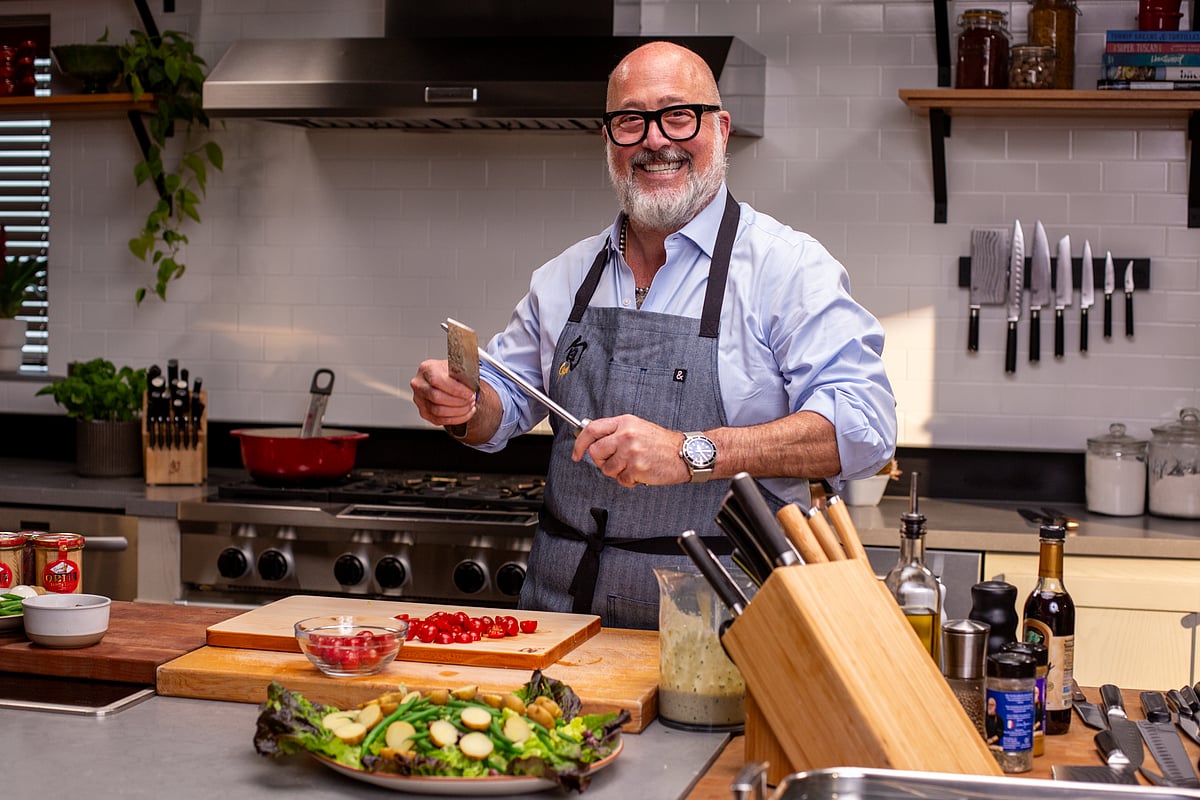
Andrew Zimmern has spent nearly three decades as a prominent figure in the culinary world, known for his adventurous palate and willingness to explore the unknown. While his reputation as a daring food explorer is well-established, there is a deeper philosophy that underpins his work: the belief that food serves as a vital intersection of curiosity, responsibility, and human dignity. This perspective emphasizes the importance of approaching food with care rather than mere spectacle.
The Essence of Curiosity
Zimmern argues that true curiosity cannot be turned on and off like a switch for the sake of entertainment. In today’s fast-paced media landscape, he believes that genuine curiosity has been diminished by the emphasis on speed and certainty. “Curiosity dies when it becomes just a costume,” he states, highlighting how superficial engagement can lead to a lack of understanding. He warns that confidence without comprehension is a dangerous trend, exacerbated by algorithms that prioritize sensationalism over substance. In contrast, he advocates for a slower, more thoughtful approach to curiosity, which he describes as moving “at walking speed.” This method requires time, humility, and a willingness to embrace uncertainty.
Zimmern intentionally places himself in situations where he is not the expert, allowing him to listen more and ask questions that reveal his own gaps in knowledge. He frequently asks, “I don’t know XYZ, can you explain it to me?” This practice, he believes, strengthens the muscle of curiosity, which can atrophy without regular use. He emphasizes that audiences are more discerning than media often assumes, stating, “You cannot fake it for the camera for very long.” Authentic experiences resonate more deeply than superficial displays of virtue.
The Impact of Speed on Meaning
Zimmern expresses concern that the current food media landscape is suffering from moral fatigue. With an overwhelming volume of content and diminishing attention spans, he argues that the essence of meaning is being lost. “Speed flattens meaning,” he asserts, linking this trend to the spread of misinformation and the erosion of context. In a world where stories are crafted for quick consumption, the richness of recipes, the agency of cooks, and the dignity of places can be overlooked.
He believes that the urgency to publish often overshadows critical questions about the implications of a story: Who benefits? Who is harmed? Who gets compensated? Slowing down, he argues, allows for a more truthful narrative to emerge, one that has lasting significance. “The truth has a longer shelf life than virality,” he notes, underscoring the importance of depth over immediacy.
Food as a Tool for Connection
Zimmern’s conviction that food carries ethical weight has only intensified over time. He recognizes its potential to bridge divides, especially in contexts where formal systems fail. “Food has the most power where politics fails,” he explains, emphasizing that shared meals can foster human connection beyond individual identities. He cites examples such as community kitchens and refugee camps, where the act of eating becomes an expression of mutual dependence and respect.
This recognition of dignity through shared meals is not merely sentimental; it is a practical response to the failures of political systems. Zimmern asserts that food can heal cultural divides, particularly in areas that are most in need. It is in these spaces that the act of breaking bread becomes essential for restoring dignity and stability.
Rethinking Sustainability
When discussing sustainability, Zimmern warns that the conversation has become overly abstract and disconnected from the realities of people’s lives. He points out that ethical eating discussions often ignore the fundamental issue of access. “The uncomfortable truth is that ethical eating without access is simply a luxury conversation,” he states.
He argues that discussions about regenerative systems and carbon footprints ring hollow when millions struggle to secure their next meal. The moral failure lies not in individuals choosing cheaper food options but in the systemic issues that render good food scarce and unaffordable. “Feeding people is a prerequisite to every other value,” he emphasizes, highlighting the need for a more inclusive approach to food ethics.
A Shift in Storytelling
Zimmern’s project, Hope in the Water, marks a significant evolution in his storytelling approach. Previously, he believed that simply exposing issues would lead to change. However, he now recognizes that awareness alone is insufficient. “We are past the awareness phase,” he asserts, noting that people are now seeking actionable solutions.
He believes that showcasing effective initiatives and the individuals behind them can empower communities and inspire hope. Solutions foster agency, and agency can drive meaningful change. This shift in perspective has required Zimmern to unlearn previous assumptions about authenticity and preservation in food cultures. He now understands that food traditions thrive through adaptation and change, rather than being static artifacts.
Supporting Independent Restaurants
Zimmern advocates strongly for independent restaurants, which he sees as vital cultural carriers. He argues that these establishments require structural support rather than temporary relief measures. Issues like healthcare and labor stability are foundational for their survival. Independent restaurants often serve as primary employers for marginalized groups, including first-time job seekers and immigrants.
He calls for policies that reflect these realities, such as portable benefits and fair access to credit. “Restaurants fail from structural pressure, not lack of passion,” he insists, emphasizing that alleviating existential fears allows talent to flourish. He also reminds diners that nostalgia alone cannot sustain these businesses; practical support is essential.
The Future of Food Storytelling
Looking ahead, Zimmern believes that the next generation of food storytellers faces unique challenges. With larger platforms and increased accountability, accuracy and impact are more critical than ever. “The next generation inherits a louder megaphone and a shorter fuse,” he notes, underscoring the need for responsible storytelling in an age of rapid information dissemination.
FAQs
What is Andrew Zimmern’s philosophy on curiosity in food media?
Zimmern believes that true curiosity requires time and humility, contrasting it with the superficial engagement often seen in fast-paced media. He emphasizes that curiosity should not be a performance but a genuine exploration of knowledge.
How does Zimmern view the relationship between food and politics?
Zimmern argues that food has the power to connect people where political systems fail. He believes that shared meals can foster dignity and mutual respect, serving as a bridge across cultural divides.
What changes does Zimmern advocate for independent restaurants?
Zimmern calls for structural support for independent restaurants, emphasizing the need for policies that address healthcare, labor stability, and fair access to credit, which are essential for their survival and cultural significance.
Conclusion
Andrew Zimmern’s insights into food, curiosity, and responsibility highlight the importance of thoughtful engagement in the culinary world. As he advocates for deeper connections and structural support for independent restaurants, his evolving perspective encourages a more meaningful dialogue about food’s role in society. Moving forward, embracing these principles can foster a more inclusive and responsible food culture.
Also Read:
Challenges of AI in Legal Work: Accuracy and Privacy Risks