
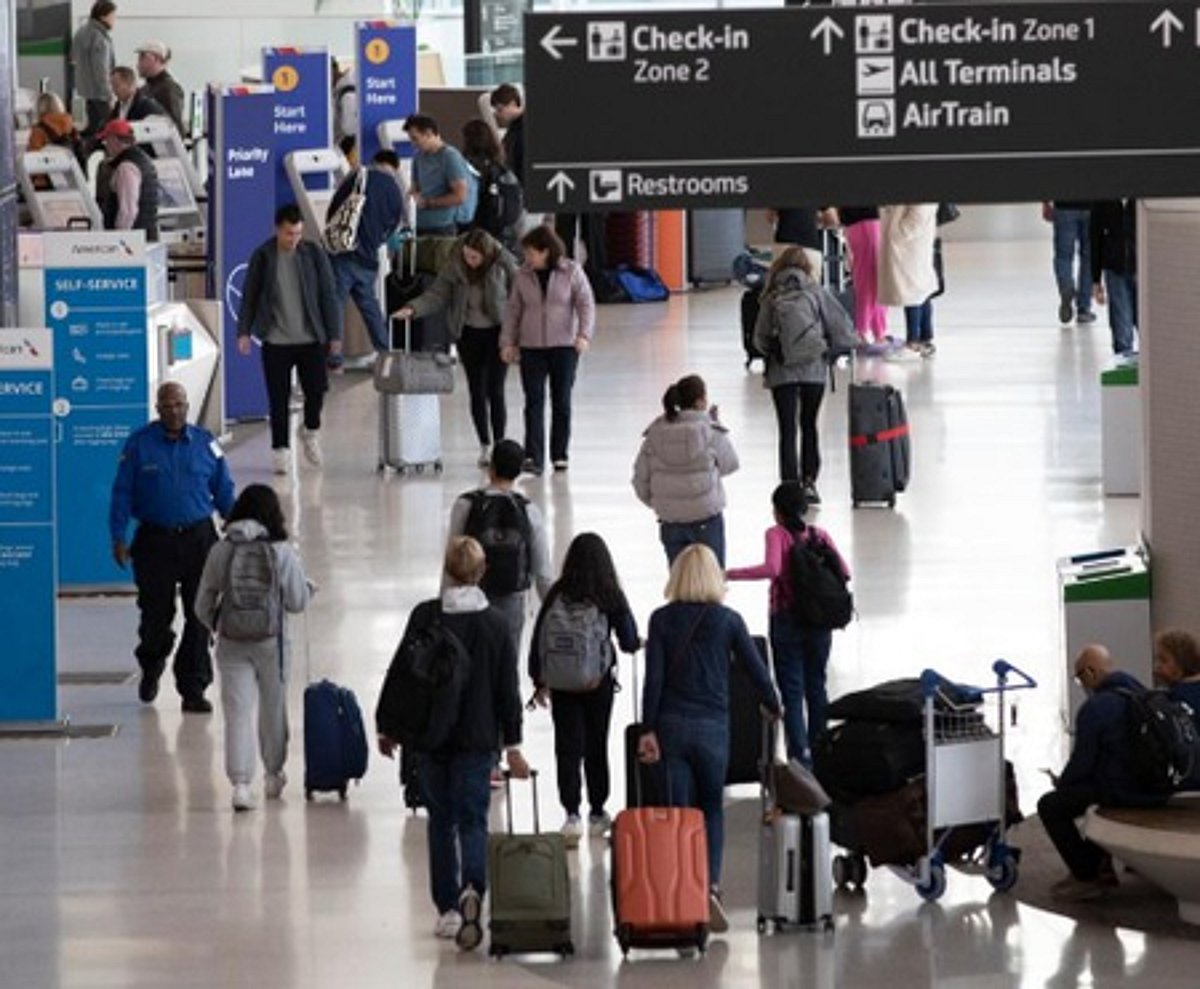
FAA Cuts Flights by 10% Amid Government Shutdown
The ongoing government shutdown has prompted the Federal Aviation Administration (FAA) to implement a significant reduction in air traffic. Starting Friday morning, the FAA will cut flights by 10% across 40 high-volume markets to ensure safety and manage the strain on air traffic controllers who have been working without pay since the shutdown began on October 1.
Impact on Air Travel
The FAA’s decision affects thousands of flights nationwide, as the agency oversees over 44,000 flights daily, including commercial, cargo, and private aircraft. While the specific airports and cities impacted have yet to be disclosed, the FAA has indicated that these restrictions will remain in effect for as long as necessary.
FAA Administrator Bryan Bedford expressed concern over the unprecedented nature of this situation, stating, “I’m not aware in my 35-year history in the aviation market where we’ve had a situation where we’re taking these kinds of measures.” The agency’s proactive approach aims to prevent further deterioration of air travel safety, as controllers report increasing fatigue and staffing shortages.
Staffing Challenges
Air traffic controllers have been facing significant challenges during the shutdown, working unpaid and often six days a week with mandatory overtime. Many controllers have called out due to frustration, taken second jobs, or struggled with personal expenses like childcare and gas. This has led to staffing shortages during critical shifts, resulting in delays at various U.S. airports.
Bedford highlighted the importance of addressing these early warning signs before they escalate into a more significant safety crisis. “We’re not going to wait for a safety problem to truly manifest itself when the early indicators are telling us we can take action today to prevent things from deteriorating,” he said.
Airline Responses
In response to the FAA’s announcement, major airlines such as United, Southwest, and American Airlines are working to minimize the impact on passengers. United’s CEO Scott Kirby assured employees that the airline would focus on reducing regional routes and flights that do not connect major hubs. He emphasized that long-haul international flights and hub-to-hub services would remain unaffected, allowing for better customer options.
Airline industry analyst Henry Harteveldt criticized the FAA’s timing, suggesting that the announcement could lead to chaos as airlines scramble to adjust their schedules on short notice. “To tell airlines you’ve got 48 hours to rebuild your schedules at 90% of what you’ve got isn’t much time,” he noted.
Travel Tips for Passengers
Travelers are advised to stay informed about their flight status through airline apps and airport social media accounts. Aixa Diaz from AAA recommended allowing extra time at the airport, as the situation may lead to longer wait times and potential delays. “It’s frustrating for travelers, because there’s not much you can do. At the end of the day, you either fly or you don’t,” she said.
Potential Flight Reductions
The FAA’s flight reduction could result in approximately 1,800 canceled flights and over 268,000 lost seats, according to estimates from aviation analytics firm Cirium. For instance, O’Hare International Airport in Chicago may see around 121 of its 1,212 scheduled flights cut if the reductions are evenly distributed among affected airports.
The FAA typically implements flight slowdowns or halts for various reasons, including adverse weather, equipment failures, and staffing shortages. The current shutdown has exacerbated these issues, leading to some of the worst staffing shortages recorded.
Historical Context
The current government shutdown has become the longest on record, with significant implications for air traffic control operations. An analysis by the Associated Press revealed that from Friday to Sunday evening, at least 39 air traffic control facilities reported potential staffing limitations, a stark increase compared to pre-shutdown averages.
Proactive Measures
Transportation Secretary Sean Duffy emphasized the need for a proactive approach to avoid chaos in the skies. He referenced the lessons learned from a tragic midair collision in January, which raised questions about the FAA’s risk assessment capabilities. Duffy stated, “We learned from that. And so now we look at data, and before it would become an issue, we try to assess the pressure and try to make moves before there could be adverse consequences.”
Industry Response
The airline industry, along with aviation unions, has been vocal in urging Congress to resolve the shutdown. The FAA’s recent measures reflect a commitment to maintaining safety and operational integrity during this challenging period.
FAQs
What are the reasons for the FAA’s flight reductions?
The FAA is reducing flights to manage the strain on air traffic controllers who are working unpaid during the government shutdown, which has led to staffing shortages and increased fatigue among controllers.
How many flights will be affected by the FAA’s decision?
The FAA’s decision could lead to approximately 1,800 flight cancellations and the loss of over 268,000 seats, impacting thousands of travelers across the country.
What should travelers do to prepare for potential disruptions?
Travelers should stay updated on their flight status through airline apps and social media, and allow extra time at the airport to accommodate potential delays and cancellations.
Conclusion
The FAA’s decision to cut flights by 10% is a response to the ongoing government shutdown and the resulting strain on air traffic controllers. As the situation develops, travelers are encouraged to remain informed and flexible with their travel plans. The aviation industry continues to advocate for a resolution to the shutdown to restore normal operations.
Also Read:
Historic U.S. Government Shutdown Continues Amid Standoff