
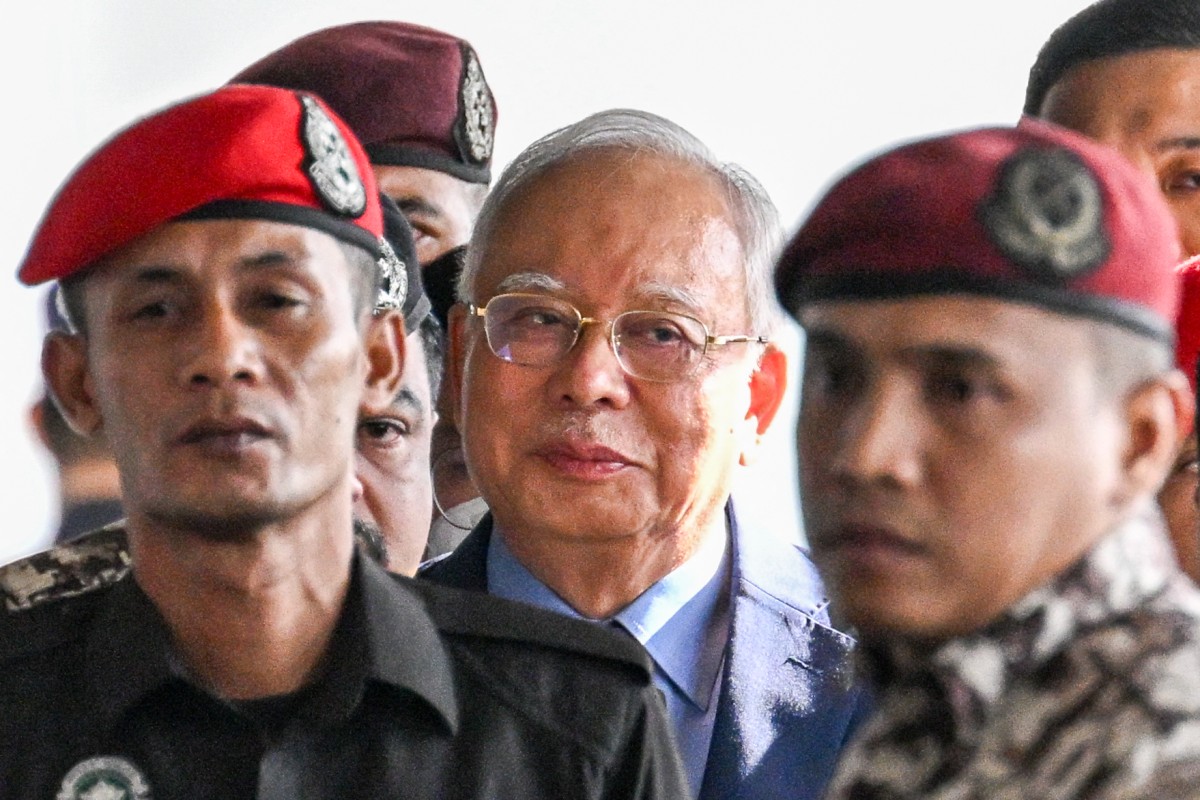
Najib Razak Found Guilty of Money Laundering Charges
Former Malaysian Prime Minister Najib Razak has been convicted on all 21 counts of money laundering linked to the infamous 1MDB scandal. This ruling, delivered by Judge Collin Lawrence Sequerah, marks a significant moment in Malaysia’s ongoing efforts to address corruption at the highest levels of government.
The 1MDB Scandal
The 1Malaysia Development Berhad (1MDB) scandal involved the misappropriation of billions from the sovereign wealth fund, which was intended for national development projects. Najib Razak, who served as prime minister from 2009 to 2018, has faced numerous legal challenges stemming from this controversy.
Court Proceedings
During the trial, the prosecution presented extensive evidence demonstrating Najib’s involvement in the financial misconduct. Judge Sequerah’s ruling underscores the judiciary’s commitment to tackling corruption and restoring public trust in government institutions.
FAQs
What are the implications of Najib’s conviction?
Najib’s conviction could lead to a lengthy prison sentence and may influence ongoing investigations into other individuals involved in the 1MDB scandal.
Can Najib appeal the verdict?
Yes, Najib has the right to appeal the conviction, and his legal team is expected to pursue this option as part of the judicial process.
How has this case affected Malaysia’s political landscape?
The case has heightened awareness of corruption in Malaysia and may impact future elections by shaping public perception of political accountability.
Conclusion
Najib Razak’s conviction on all counts of money laundering represents a pivotal moment in Malaysia’s fight against corruption. As the legal proceedings continue, the case will likely have lasting effects on the country’s political environment and governance.
The 1MDB scandal has been a focal point of political discourse in Malaysia since it first came to light in 2015. The fund was established in 2009 with the aim of promoting economic development through strategic investments. However, it soon became embroiled in allegations of financial mismanagement and fraud, with billions of dollars reportedly siphoned off for personal gain by various individuals, including high-ranking officials. The scandal has not only tarnished Malaysia’s international reputation but has also sparked widespread protests and demands for accountability from the public.
Najib Razak’s legal troubles began after he was ousted from power in the 2018 general elections, which were largely seen as a referendum on his administration’s handling of the 1MDB affair. Following his defeat, a new government led by Mahathir Mohamad reopened investigations into the scandal, leading to Najib’s arrest and subsequent charges. The trial has drawn significant media attention, both domestically and internationally, highlighting the challenges faced by countries grappling with corruption and the complexities of prosecuting high-profile figures.
The implications of Najib’s conviction extend beyond his personal fate. It may serve as a precedent for future corruption cases in Malaysia, potentially encouraging greater scrutiny of political leaders and their financial dealings. The ruling is likely to resonate with the electorate, who have increasingly demanded transparency and accountability from their leaders. As Malaysia continues to navigate the aftermath of the 1MDB scandal, the judiciary’s role in upholding the rule of law will be critical in restoring public confidence in government institutions.
Moreover, the case has implications for Malaysia’s relations with foreign governments and investors. The international community has closely monitored the developments surrounding the 1MDB scandal, as it involves multiple jurisdictions and financial institutions. Najib’s conviction may signal to foreign investors that Malaysia is serious about tackling corruption, which could enhance the country’s attractiveness as an investment destination. However, ongoing legal battles and potential appeals could prolong the uncertainty surrounding Malaysia’s political and economic landscape.
As Najib’s legal team prepares to appeal the verdict, the outcome of this case will likely influence the trajectory of Malaysia’s political landscape for years to come. The ongoing discourse surrounding corruption, governance, and accountability will remain at the forefront of Malaysian politics, shaping the strategies of political parties and the expectations of voters. The judiciary’s actions in this high-profile case will be scrutinized as a test of its independence and effectiveness in combating corruption at the highest levels of government.
Also Read:
New Museums to Enhance UAE’s Cultural Landscape