
Afghanistan Experiences Recent Earthquake Activity
Afghanistan experienced a magnitude 4.4 earthquake on Saturday, November 8, 2025, as reported by the National Center for Seismology (NCS). This seismic event occurred at a depth of 180 kilometers, which is relatively deep compared to other recent quakes in the region. The earthquake’s coordinates were recorded at latitude 30.70 N and longitude 65.66 E.
Recent Seismic Events
Just a day prior, on November 6, another earthquake of the same magnitude struck Afghanistan but at a much shallower depth of 10 kilometers. Shallow earthquakes tend to be more dangerous due to the intensity of ground shaking they can produce. The NCS noted this quake’s coordinates as latitude 34.55 N and longitude 70.62 E.
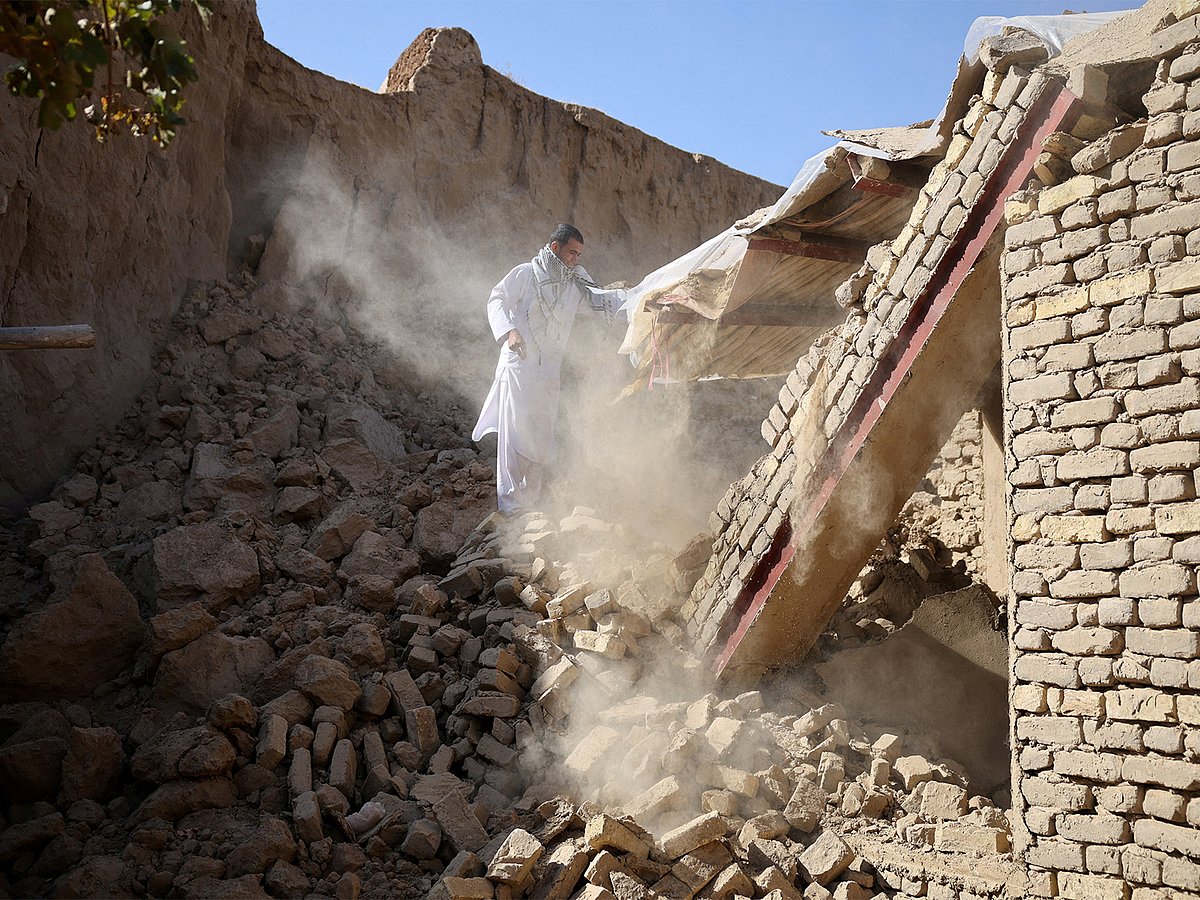
The shallow earthquake on November 6 resulted in significant damage and casualties, with reports indicating at least 27 fatalities and 956 injuries. This quake struck near Mazar-i-Sharif, a densely populated area, and occurred at a depth of 28 kilometers. The tremor not only caused loss of life but also damaged infrastructure, including a historic mosque.
Geological Context
Afghanistan is situated in a seismically active region, primarily due to its location on several fault lines between the Indian and Eurasian tectonic plates. The Hindu Kush Mountain range, in particular, is known for its geological activity, with earthquakes occurring annually. The United Nations Office for the Coordination of Humanitarian Affairs (UNOCHA) highlights that Afghanistan’s vulnerability to natural disasters, including earthquakes, is exacerbated by ongoing conflict and underdevelopment, leaving communities ill-prepared for such events.
Impacts on Communities
The frequent seismic activity poses a significant threat to Afghan communities, which are already struggling with the aftermath of decades of conflict. The combination of natural disasters and socio-economic challenges has left many families with limited resources to recover from such shocks. The Red Cross and other humanitarian organizations continue to monitor the situation and provide assistance where possible.
FAQs
What was the magnitude of the recent earthquake in Afghanistan?
The recent earthquake on November 8, 2025, had a magnitude of 4.4 and struck at a depth of 180 kilometers.
How deep was the earthquake that occurred on November 6?
The earthquake on November 6, 2025, was significantly shallower, occurring at a depth of 10 kilometers.
What are the main causes of earthquakes in Afghanistan?
Earthquakes in Afghanistan are primarily caused by the collision of the Indian and Eurasian tectonic plates, which create numerous fault lines throughout the region.
Conclusion
Afghanistan’s recent earthquakes highlight the ongoing seismic risks faced by the country. With a history of powerful quakes and a population vulnerable to natural disasters, it is crucial for local and international organizations to enhance preparedness and response strategies. Continued monitoring and support are essential to help communities recover and build resilience against future seismic events.
The geological characteristics of Afghanistan contribute to its susceptibility to earthquakes. The Hindu Kush region is particularly prone to seismic activity due to its complex tectonic setting, where the Indian plate is colliding with the Eurasian plate. This interaction generates significant stress along fault lines, leading to frequent earthquakes. Historical records indicate that Afghanistan has experienced numerous devastating earthquakes over the years, some resulting in substantial loss of life and widespread destruction.
In addition to the immediate physical impacts of earthquakes, the long-term consequences can be severe for affected communities. Infrastructure such as roads, schools, and hospitals often suffers extensive damage, complicating recovery efforts. The destruction of homes and public buildings can displace families, forcing them into temporary shelters or inadequate living conditions. The ongoing humanitarian crisis in Afghanistan, characterized by food insecurity and limited access to healthcare, is further exacerbated by these natural disasters, making recovery efforts even more challenging.
International aid organizations are actively engaged in providing emergency relief and long-term support to affected areas. Their efforts include distributing food, medical supplies, and shelter materials, as well as facilitating access to psychological support for those traumatized by the events. However, the effectiveness of these interventions is often hindered by logistical challenges and the ongoing political instability in the region, underscoring the need for sustained international attention and assistance.
Also Read:
UAE Launches Air Bridge for Earthquake Relief in Afghanistan
UAE Marks Two Years of Humanitarian Aid in Gaza
UAE Sends Relief Team to Aid Earthquake Victims in Afghanist