Typhoon Kalmaegi Hits Vietnam After Deadly Philippines Impac
Typhoon Kalmaegi has made landfall in central Vietnam, exacerbating the challenges faced by a region already grappling with severe flooding. The storm, which recently wreaked havoc in the Philippines, has prompted mass evacuations as authorities brace for its impact.
Impact of Typhoon Kalmaegi in the Philippines
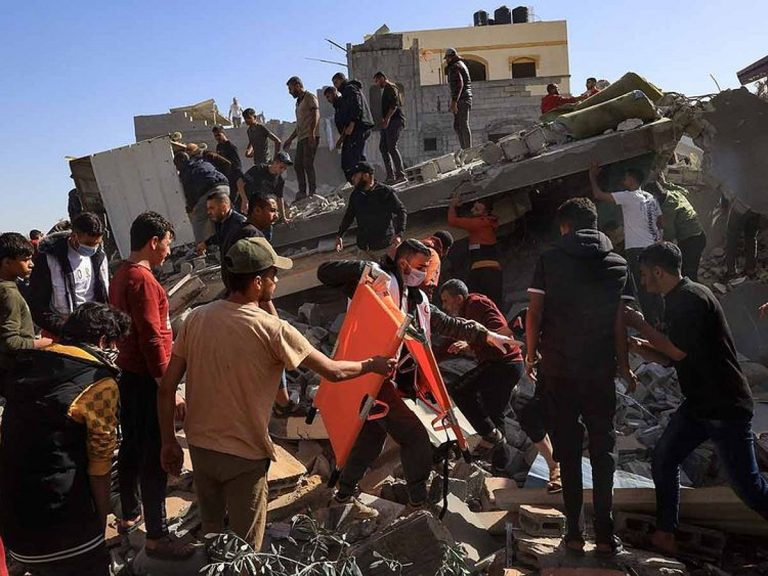
Kalmaegi struck the central Philippines earlier this week, resulting in at least 140 fatalities and leaving 127 individuals unaccounted for. The storm unleashed catastrophic flooding, particularly in Cebu and Negros, where floodwaters swept away vehicles and homes. In Liloan, near Cebu City, recovery efforts have revealed a grim scene, with bodies recovered from the debris and extensive damage to infrastructure.
In response to the disaster, Philippine President Ferdinand Marcos declared a “state of national calamity,” enabling the government to mobilize resources for relief efforts. Over 500,000 people have been displaced, highlighting the storm’s widespread impact on communities.
Typhoon Kalmaegi’s Arrival in Vietnam
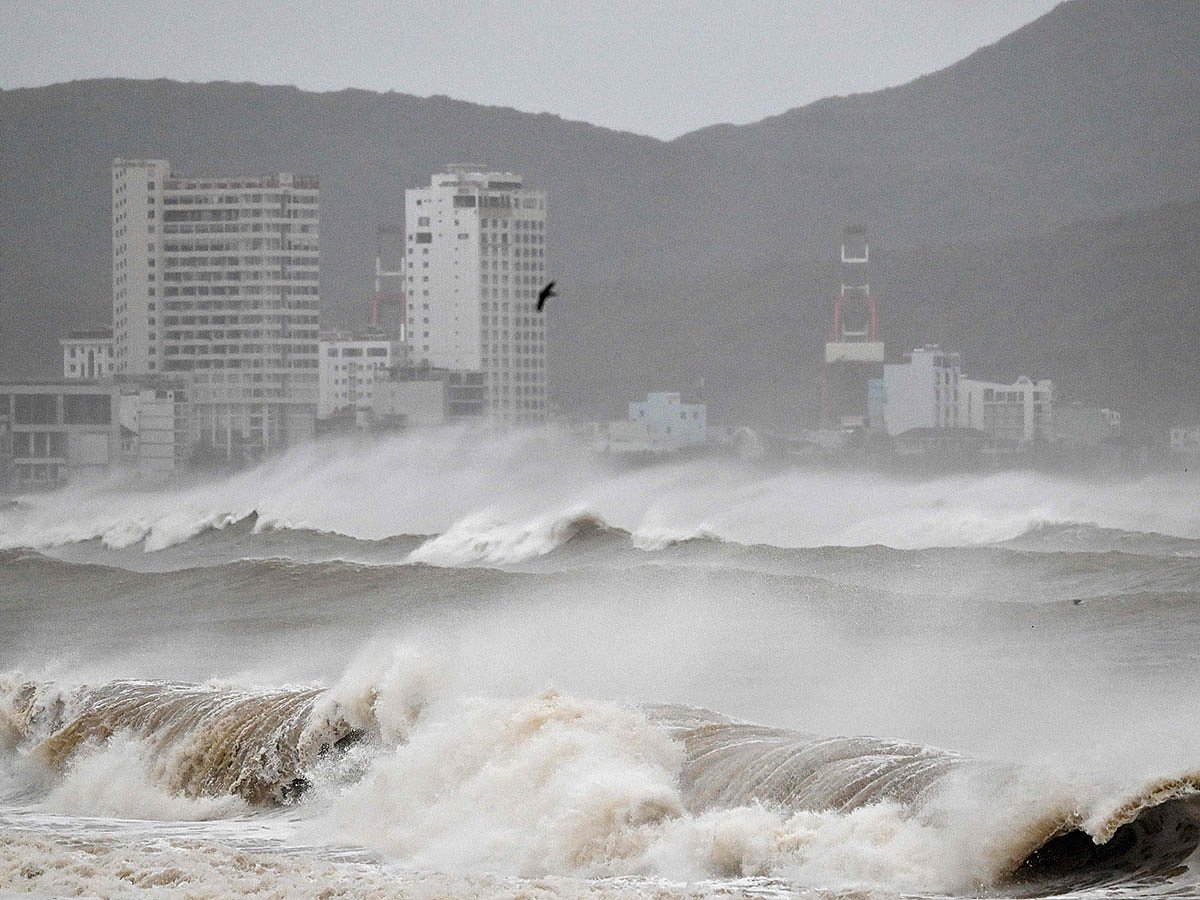
As Kalmaegi approached Vietnam, it made landfall late Thursday, bringing sustained winds of up to 149 kilometers (92 miles) per hour. The storm’s arrival coincided with ongoing recovery efforts from previous flooding that had already claimed at least 47 lives in central Vietnam. Local officials reported that over 7,000 residents had been evacuated in anticipation of the storm’s arrival.
In Gia Lai province, the storm’s intensity was palpable, with residents describing the winds as unprecedented. “The wind is so strong, nothing can resist,” said Vu Van Hao, a local resident. Many sought shelter in schools and community centers, carrying essential items as they evacuated their homes.
Government Response and Preparedness
Vietnam’s government has been proactive in its response to the impending storm. Top officials, including Minister To Lam, cut short meetings to ensure that preparations were in place for those in the storm’s path. Schools in Gia Lai and Quang Ngai provinces were closed, and several airports suspended operations to prioritize safety.
Meteorologists have warned that Kalmaegi’s heavy rains could lead to further flooding, particularly in areas already saturated from previous downpours. The National Center for Hydro-Meteorological Forecasting indicated that while water levels may rise, they are not expected to reach the catastrophic levels seen in recent weeks.
The Broader Context of Climate Change
Experts have noted that the increasing intensity of storms like Kalmaegi can be attributed to climate change. Warmer ocean temperatures contribute to the rapid strengthening of typhoons, while a warmer atmosphere holds more moisture, resulting in heavier rainfall. Vietnam, situated in a region prone to tropical cyclones, typically faces about ten storms annually, with Kalmaegi marking the 13th of 2025.
Historical Context of Natural Disasters in Vietnam
Vietnam’s vulnerability to natural disasters is underscored by its extensive coastline and river networks. This year alone, natural disasters have resulted in 279 deaths or missing persons and inflicted over $2 billion in damages, according to national statistics. The ongoing threat of flooding and storms continues to challenge the resilience of communities throughout the country.
FAQs
What areas in Vietnam are most affected by Typhoon Kalmaegi?
Central Vietnam, particularly provinces like Gia Lai and Quang Ngai, are experiencing significant impacts from Typhoon Kalmaegi, with mass evacuations and preparations underway.
How has the Philippine government responded to the aftermath of Typhoon Kalmaegi?
The Philippine government declared a “state of national calamity,” allowing for the mobilization of resources and aid to assist the over 500,000 displaced individuals affected by the storm.
What measures are being taken to prepare for Typhoon Kalmaegi in Vietnam?
Authorities in Vietnam have evacuated thousands, closed schools, and suspended airport operations to ensure public safety as they brace for the storm’s impact.
Conclusion
Typhoon Kalmaegi has brought renewed challenges to Vietnam, compounding the effects of previous flooding and natural disasters. As the storm continues to unfold, local authorities and communities are focused on safety and recovery efforts. The situation remains fluid, and ongoing monitoring will be crucial as the region navigates the aftermath of this powerful storm.
Also Read:
Vietnam Evacuates Thousands as Typhoon Kalmaegi Approaches
Philippines Declares Emergency After Typhoon Kalmaegi Hits
Dubai Design Week 2025: Celebrating Community and Creativity