Israel Airstrikes Southern Lebanon Amid Rising Tensions
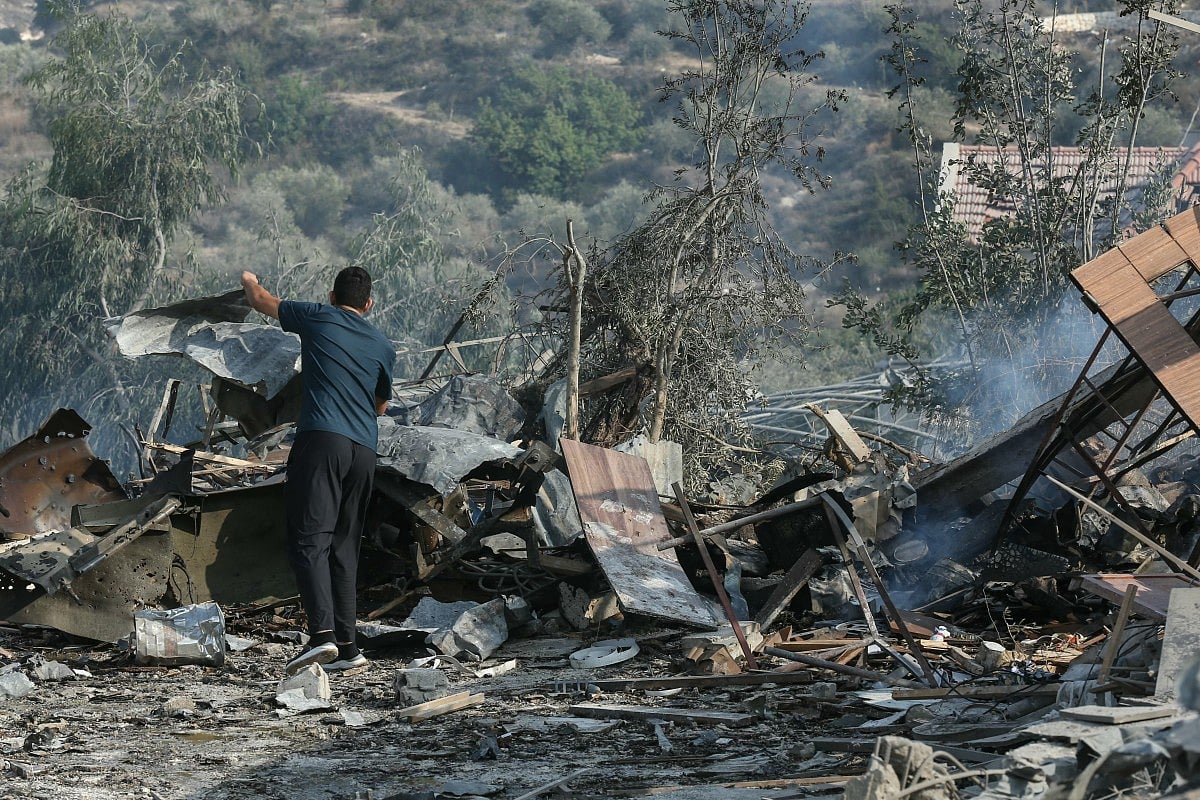
Recent airstrikes by Israeli jets in southern Lebanon have intensified ongoing tensions in the region. These strikes, which occurred after warnings for residents to evacuate, highlight the fragile situation following a year of relative ceasefire. The backdrop of these events includes Hezbollah’s calls for the Lebanese government to refrain from negotiations with Israel.
Details of the Airstrikes
On Thursday, Israeli forces targeted three towns: Tayba, Tayr Debba, and Aita Al Jabal. The Israeli military claims these areas are being used by Hezbollah for military purposes. Avichay Adraee, an Israeli spokesperson, advised residents to move at least 500 meters away from buildings identified as targets. The strikes are part of Israel’s broader strategy to dismantle Hezbollah’s military infrastructure, which they allege has been rebuilt since the ceasefire that ended the previous conflict.
Reactions from Lebanese Leadership
Lebanese President Joseph Aoun has condemned Israel’s airstrikes and its military presence in the region. Despite his criticism, Aoun has expressed a willingness to engage in negotiations with Israel to de-escalate tensions. This dual stance reflects the complex dynamics within Lebanon, where the government seeks to balance national security with diplomatic efforts.
Hezbollah’s Position
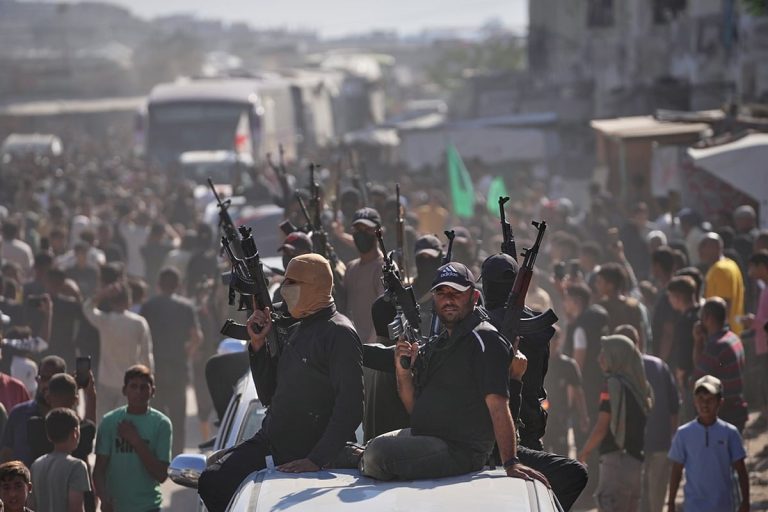
Hezbollah, the powerful Iran-backed militant group, has faced significant losses from Israeli air campaigns over the past year. However, its leadership, including Sheikh Naim Kassim, has reiterated the group’s commitment to resistance, regardless of their current military capabilities. The group has been accused of continuing to engage in hostilities, including rocket fire into northern Israel, which has provoked further Israeli military responses.
The Broader Context
The ongoing conflict traces back to the October 7, 2023, Hamas-led attack on Israel, which escalated into a broader war involving Hezbollah. Both parties have accused each other of violating the ceasefire established in November 2024, which was intended to halt hostilities. The situation remains precarious, with low-level exchanges of fire continuing to threaten regional stability.
FAQs
What prompted the recent Israeli airstrikes in Lebanon?
The airstrikes were prompted by Israel’s claims that Hezbollah was rebuilding its military infrastructure in southern Lebanon, leading to targeted strikes on specific towns.
How has the Lebanese government responded to the airstrikes?
Lebanese President Joseph Aoun has criticized the airstrikes and Israel’s military presence but remains open to negotiations to resolve the ongoing tensions.
What is Hezbollah’s current military stance?
Despite suffering significant losses in previous conflicts, Hezbollah maintains that it is prepared to continue fighting and has not disarmed, asserting its commitment to resistance against Israel.
Conclusion
The recent airstrikes by Israel in southern Lebanon mark a significant escalation in ongoing tensions between the two sides. As both Israel and Hezbollah continue to exchange accusations and military actions, the potential for further conflict remains high. Diplomatic efforts may be necessary to prevent a broader escalation and restore stability in the region.
The airstrikes come amid a backdrop of heightened military activity and rhetoric from both Israel and Hezbollah. The region has experienced sporadic clashes since the ceasefire, with both sides accusing each other of provocations. Israel’s military strategy appears focused on preemptively targeting what it perceives as threats from Hezbollah, which it views as a significant adversary due to its military capabilities and ties to Iran. This ongoing conflict is further complicated by the broader geopolitical landscape, where various regional and international actors have vested interests in the outcome of hostilities.
In Lebanon, the airstrikes have reignited fears among civilians, many of whom have already faced economic hardships and instability due to the protracted conflict. The Lebanese Armed Forces have been caught in a difficult position, attempting to assert control while managing the influence of Hezbollah, which operates independently of the state. The government’s dual approach of condemning Israeli actions while seeking dialogue reflects the complex realities on the ground, where national sovereignty and security are constantly at odds with external pressures and internal divisions.
As tensions escalate, the international community is closely monitoring the situation, with calls for restraint from various nations and organizations. Diplomatic channels remain crucial, as a failure to address the underlying issues could lead to a wider conflict that destabilizes not only Lebanon but also the surrounding region. The potential for miscalculations or unintended escalations remains a significant concern, underscoring the need for sustained dialogue and conflict resolution efforts.
Also Read:
U.S. Military Intensifies Strikes Against Drug Smuggling
FAA Cuts Flights by 10% Amid Government Shutdown
IHC Reaffirms Commitment to Aldar Properties Amid Speculatio