Typhoon Kalmaegi Hits Cebu, Death Toll Surpasses 100
The aftermath of Typhoon Kalmaegi in the central Philippines has revealed a tragic scene, with the death toll surpassing 100 as communities begin to recover from unprecedented flooding. The storm’s impact has been particularly severe in Cebu province, where residents are grappling with the destruction left in its wake.
The Scale of the Disaster
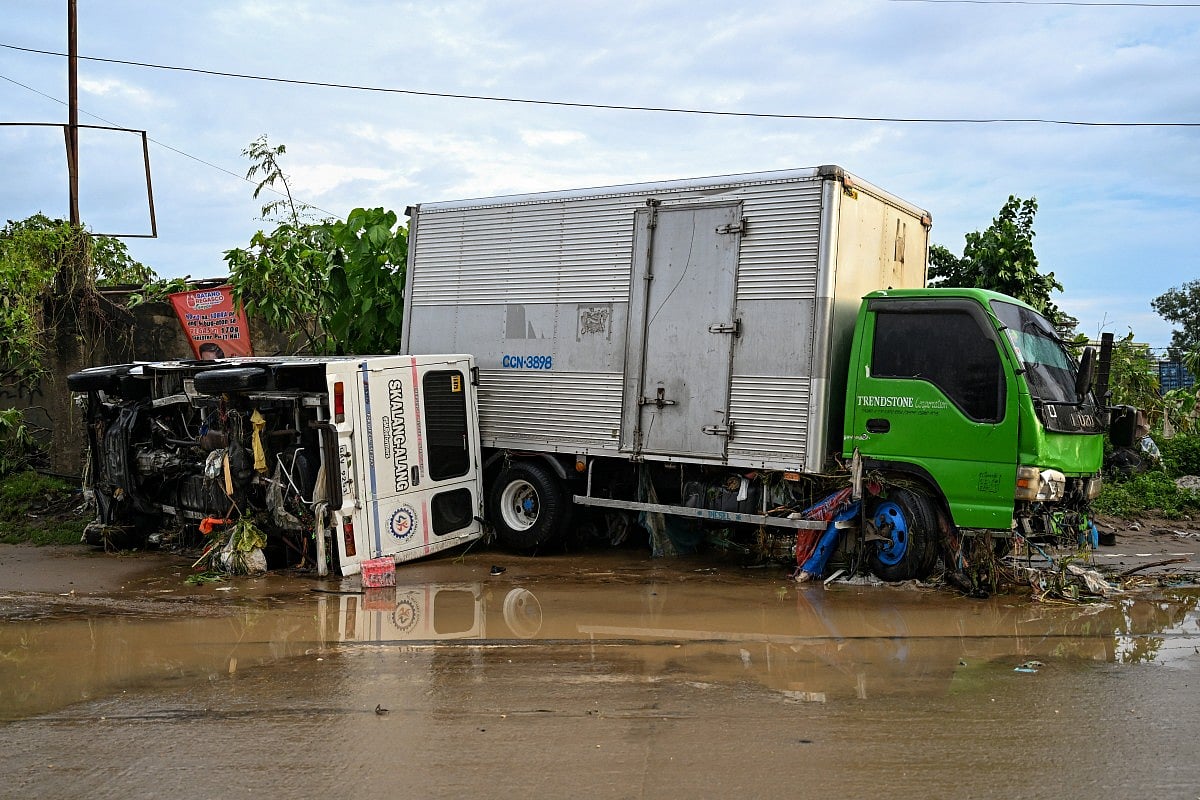
Cebu province has experienced what many are calling the worst flooding in recent memory. Floodwaters surged through towns and cities, sweeping away vehicles, homes, and even large shipping containers. According to local officials, 35 bodies were recovered from flooded areas in Liloan, a town within the Cebu City metropolitan area, raising the death toll in Cebu to 76.
On nearby Negros Island, the situation is similarly dire. At least 12 fatalities have been reported, with an additional 12 individuals missing after heavy rainfall triggered volcanic mudflows that buried homes in Canlaon City. Police Lieutenant Stephen Polinar noted that the rain caused volcanic material from the Kanlaon volcano to cascade down into villages, exacerbating the disaster.
Eyewitness Accounts
Residents of the hardest-hit areas shared harrowing experiences of the storm. Reynaldo Vergara, a 53-year-old shop owner in Mandanaue, described the overwhelming force of the floodwaters. “Around four or five in the morning, the water was so strong that you couldn’t even step outside,” he recounted, lamenting the loss of everything in his shop.
In Talisay, Regie Mallorca, 26, was already working to rebuild his home after an informal settlement along a riverbank was washed away. “This will take time because I don’t have the money yet. It will take months,” he said, as he mixed cement and sand atop the rubble.
Unprecedented Rainfall
The rainfall preceding Kalmaegi’s landfall was staggering, with Cebu City receiving 183 millimeters (about seven inches) in just 24 hours—far exceeding the monthly average of 131 millimeters. Provincial governor Pamela Baricuatro described the flooding as “unprecedented” and “devastating,” highlighting the urgent need for effective flood control measures.
Scientists have warned that climate change is contributing to the increasing intensity of storms. Warmer ocean temperatures can rapidly strengthen typhoons, while a warmer atmosphere holds more moisture, leading to heavier rainfall.
Evacuations and Ongoing Threats
In total, nearly 800,000 individuals were evacuated from areas at risk from the typhoon. The Philippines, which faces an average of 20 storms and typhoons each year, has already met this annual average with Kalmaegi. Weather experts predict that at least three to five more storms could occur before the end of December.
As Kalmaegi moves westward over the South China Sea toward Vietnam, authorities there are bracing for potential additional flooding, which has already claimed lives in the region.
Corruption and Accountability
The catastrophic flooding has sparked outrage over alleged corruption related to flood-control projects in the Philippines. Governor Baricuatro suggested a link between the ongoing scandal and the unusual flooding in certain subdivisions, questioning the effectiveness of the Ph26.6 billion ($452 million) allocated for flood control. “Definitely we have seen projects here… that I would say are ghost projects,” she stated, indicating that her inspection team found no structures built to government standards.
The Department of Public Works and Highways, the agency at the center of the scandal, has sent its head, Vince Dizon, to Cebu to assess the damage and respond to the situation.
FAQs
What caused the flooding in Cebu?
The flooding was primarily caused by Typhoon Kalmaegi, which brought unprecedented rainfall to the region, exacerbated by existing volcanic material from the Kanlaon volcano that was loosened by the heavy rains.
How many people have been affected by the typhoon?
Nearly 800,000 individuals have been evacuated from areas at risk due to Typhoon Kalmaegi, with many more affected by the flooding and destruction in their communities.
What are the long-term implications of this disaster?
The long-term implications include a need for improved flood control infrastructure, accountability for corruption in public projects, and increased awareness of climate change’s impact on storm intensity and frequency.
Conclusion
The devastation caused by Typhoon Kalmaegi has left communities in Cebu and Negros Island grappling with loss and destruction. As recovery efforts begin, the focus will shift to addressing the failures in flood control infrastructure and ensuring accountability for the funds allocated for disaster preparedness. The situation remains critical as the region braces for potential further storms in the coming weeks.
Also Read:
Typhoon Kalmaegi Triggers Severe Flooding in Cebu, Philippin