UAE Urges Ceasefire Amid Sudan’s Ongoing Conflict
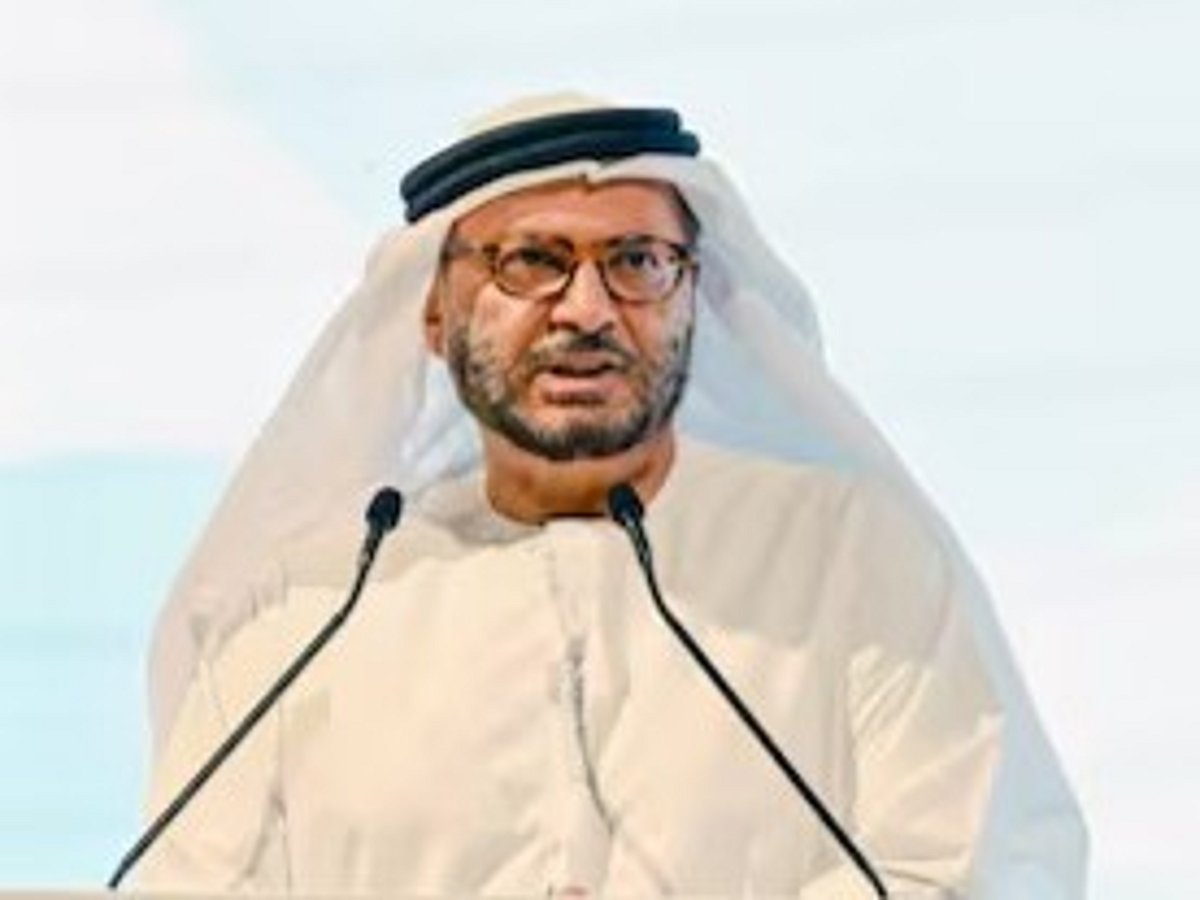
The ongoing conflict in Sudan has raised significant concerns regarding the country’s stability and humanitarian situation. Dr. Anwar Gargash, the Diplomatic Advisor to the UAE President, has emphasized the urgent need for a ceasefire among the warring factions to alleviate the suffering of millions of Sudanese citizens.
Urgent Call for Ceasefire
During the UAE International Media Conference in Abu Dhabi, Dr. Gargash highlighted the complexity of the conflict, which involves the Sudanese army, the Rapid Support Forces, and numerous militias. He stated, “We consider the Sudanese army and the Rapid Support Forces as two warring parties in a civil war, along with 30 other militias.” This multifaceted situation complicates efforts to achieve peace and stability.
Dr. Gargash expressed deep concern for Sudan’s unity, stating, “We are worried about Sudan’s cohesion due to the growing conflict.” He underscored the humanitarian crisis, noting that approximately 30 million people are in need of food and nutrition, with nine million displaced due to the violence.
Pathway to Peace
Dr. Gargash referred to a key document from the Quartet on Sudan, which outlines a potential solution. This statement calls for negotiations between the warring parties and proposes a nine-month transition to civilian governance. He questioned the rationale behind opposing an immediate ceasefire, given the dire circumstances faced by the Sudanese people.
The UAE’s position is clear: the focus must be on achieving a political solution that facilitates a transition to civilian rule, avoiding a return to dictatorship reminiscent of former President Omar al-Bashir’s regime. Dr. Gargash stated, “We want negotiations, we want a transition to civilian governance, and above all, we need a ceasefire.”
Humanitarian Concerns
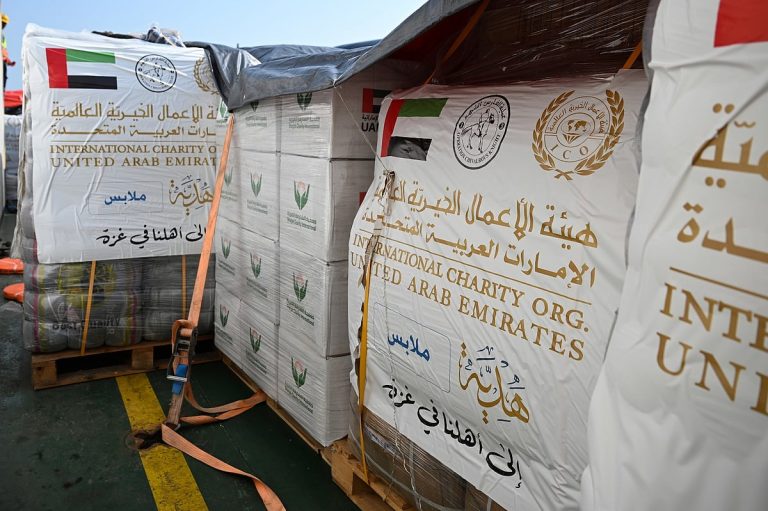
Dr. Gargash also addressed the challenges faced by humanitarian organizations in delivering aid to affected regions. He noted that armed groups are obstructing these efforts, which is critical given the UAE’s status as one of the largest donors to Sudan. “Access remains severely limited,” he said, calling for an immediate ceasefire or a three-month humanitarian truce to facilitate aid delivery.
He condemned the atrocities committed during the conflict, particularly in El Fasher, and called for accountability for those responsible. “Perpetrators must be brought to justice,” he emphasized, highlighting the urgency of addressing the humanitarian crisis.
The Reality of the Conflict
Describing the conflict as “a war of the weak—one that no side can win militarily,” Dr. Gargash painted a grim picture of the situation in Sudan. The war, now in its third year, has resulted in tens of thousands of deaths and displaced at least 13 million people. With famine declared in some areas, particularly in Darfur, the humanitarian situation continues to deteriorate.
FAQs
What is the current humanitarian situation in Sudan?
The humanitarian crisis in Sudan is severe, with approximately 30 million people in need of food and nutrition, and over nine million displaced due to ongoing violence.
What is the UAE’s role in addressing the conflict?
The UAE has committed to intensifying humanitarian efforts in Sudan and has called for a ceasefire and negotiations to transition to civilian governance.
What are the main factions involved in the Sudanese conflict?
The primary factions in the conflict include the Sudanese army, the Rapid Support Forces, and various militias, creating a complex civil war scenario.
Conclusion
The situation in Sudan remains critical, with escalating violence and a dire humanitarian crisis. Dr. Gargash’s call for a ceasefire and a transition to civilian governance underscores the urgent need for diplomatic efforts to restore peace. The international community must act swiftly to address the humanitarian needs and support a resolution to the conflict.
The conflict in Sudan has drawn international attention, with various countries and organizations expressing concern over the escalating violence and its humanitarian implications. The complexity of the situation is further exacerbated by the involvement of multiple armed groups, each with differing agendas and loyalties, making diplomatic negotiations particularly challenging.
In addition to the immediate humanitarian needs, the long-term stability of Sudan is at stake. The ongoing violence threatens to undermine any progress made toward democratic governance and social cohesion. As the international community closely monitors the situation, there is a growing recognition that a coordinated approach is essential to facilitate peace talks and support the affected population effectively.
Also Read:
UAE Calls for Humanitarian Truce and Ceasefire in Sudan