Philippine Peso Reaches Record Low Against US Dollar
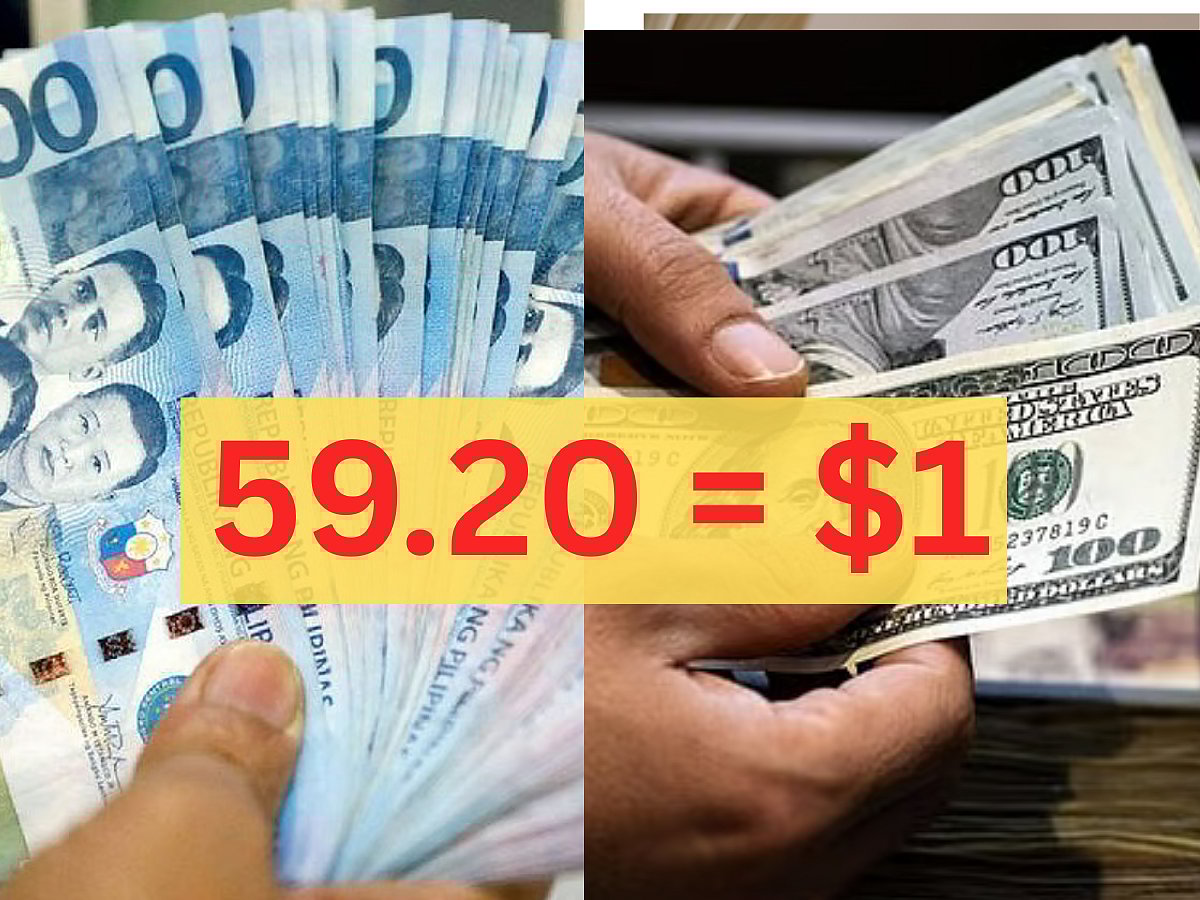
The Philippine peso has recently experienced significant depreciation, reaching an intraday low of ₱59.20 against the US dollar. This decline has raised concerns about the country’s economic outlook, particularly in light of ongoing issues related to infrastructure spending and market volatility.
Current Economic Context
The peso’s drop to ₱59.20 marks a new all-time low, reflecting broader market anxieties. The Bangko Sentral ng Pilipinas (BSP) has stated that it will allow market forces to determine the peso’s value, intervening only to mitigate excessive fluctuations. The BSP reassured the public of its robust reserves and emphasized that its market participation aims to stabilize inflation rather than control daily exchange rate movements.
As of Tuesday morning, the peso’s weighted average was recorded at ₱59.098 to the dollar. This decline follows a closing rate of ₱58.90 on Monday, down from ₱58.625 the previous Friday. The BSP attributes the peso’s depreciation to concerns about potential economic growth slowdowns, exacerbated by the ongoing scrutiny of infrastructure projects.
Implications for Remittances
For Overseas Filipino Workers (OFWs), a weaker peso can enhance the purchasing power of their remittances. For instance, a $1,000 remittance now converts to ₱59,200, compared to ₱58,000 at a stronger exchange rate. This increase allows families in the Philippines to cover more expenses or save more effectively.
Despite the peso’s volatility, remittance flows have remained steady. Studies indicate that remittances can help stabilize consumption during economic downturns, although they may not significantly contribute to long-term growth. The current situation suggests that OFWs may increase their remittance amounts to offset the currency’s decline, although this could place additional strain on their earnings if economic conditions in their host countries worsen.
Historical Trends
The peso’s decline in 2025 is part of a broader pattern of currency depreciation, following a 10.5% drop in 2022 and a 4.2% decline in 2024. These fluctuations are often linked to global economic changes and local fiscal policies. The current economic landscape, influenced by uncertainties in U.S. policy and domestic challenges such as reliance on imports and slow export recovery, continues to affect the peso’s stability.
Future Outlook
Looking ahead, the BSP remains optimistic about the peso’s fundamentals, citing resilient remittance inflows, ongoing structural reforms, and relatively low inflation. However, the central bank acknowledges that the economic environment remains challenging, with potential implications for monetary policy and exchange rates.
FAQs
What factors are contributing to the peso’s decline?
The peso’s decline is influenced by market concerns over economic growth, scrutiny of infrastructure spending, and expectations of monetary policy easing by the Bangko Sentral ng Pilipinas.
How does a weaker peso affect remittances?
A weaker peso increases the local currency value of remittances sent by Overseas Filipino Workers, enhancing their families’ purchasing power in the Philippines.
What is the BSP’s stance on the peso’s value?
The Bangko Sentral ng Pilipinas has stated that it will allow market forces to dictate the peso’s value, intervening only to manage excessive volatility and maintain inflation stability.
Conclusion
The Philippine peso’s recent decline to ₱59.20 against the US dollar highlights ongoing economic challenges and market uncertainties. While this situation may benefit OFWs through increased remittance value, it also underscores the need for vigilance regarding the broader economic implications. Moving forward, the BSP’s commitment to maintaining strong fundamentals will be crucial in navigating these turbulent times.
The depreciation of the peso also raises concerns for businesses that rely on imported goods, as a weaker currency can lead to higher costs for raw materials and finished products. This situation may prompt companies to adjust their pricing strategies, potentially leading to inflationary pressures in the domestic market. Additionally, the increased cost of imports could affect consumer spending, as households may prioritize essential goods over discretionary purchases.
Investors are closely monitoring the situation, as currency fluctuations can impact foreign direct investment and overall economic confidence. A stable exchange rate is often viewed as a sign of economic health, and continued volatility may deter potential investors. The BSP’s actions in the coming months will be critical in shaping market perceptions and influencing the peso’s trajectory as the country navigates these economic challenges.
Also Read:
Gold Prices Drop in UAE Amid Global Market Changes