US Targets Iranian Oil Sales to China with New Sanctions
The United States has officially designated 12 individuals and entities for their involvement in the sale and shipment of Iranian oil to China. This move, announced by the Treasury Department on Monday, aims to block the Islamic Revolutionary Guard Corps (IRGC) from accessing billions in revenue used to fund weapons and global instability.
Sanctions Applied: 12 individuals and entities targeted for enabling illegal oil trade.
Funding Blockade: The US aims to stop revenue flowing to Iranian weapons programs and terrorist proxies.
Global Impact: Secondary sanctions may target foreign banks and Chinese “teapot” refineries.
Military Presence: The UK Navy and Lithuania are preparing to deploy forces to the Strait of Hormuz.
Sanctions Applied: 12 individuals and entities targeted for enabling illegal oil trade.
Funding Blockade: The US aims to stop revenue flowing to Iranian weapons programs and terrorist proxies.
Global Impact: Secondary sanctions may target foreign banks and Chinese “teapot” refineries.
Military Presence: The UK Navy and Lithuania are preparing to deploy forces to the Strait of Hormuz.
Targeting the “Shadow” Economy
The Treasury Department accused the IRGC of diverting oil profits away from the Iranian people. Instead, these funds are reportedly used for weapons development and supporting security forces that suppress citizen freedoms.
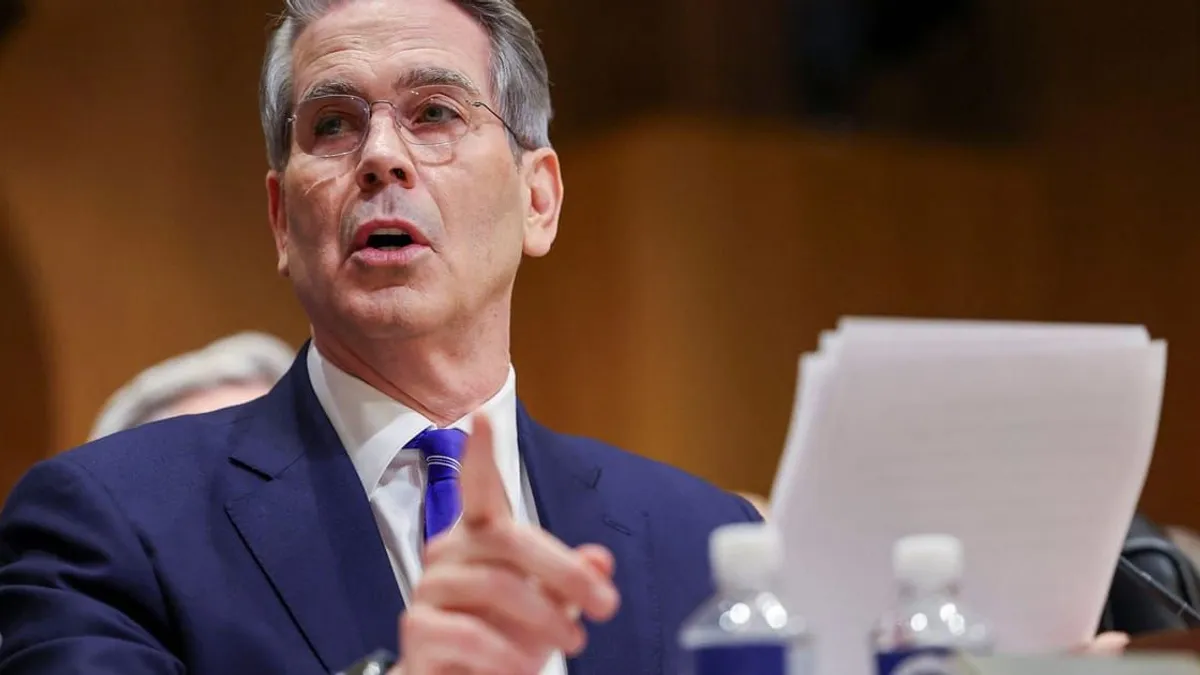
US Treasury Secretary Scott Bessent stated that this “Economic Fury” campaign is designed to deprive the regime of the resources it needs to regroup. The Treasury has already disrupted billions in projected revenue and frozen nearly $500 million in cryptocurrency linked to the regime.
Crackdown on Financial Networks
The US is utilizing Executive Order 13224 to target not just the groups themselves, but those who provide financial or logistical aid. This includes a crackdown on “shadow banking” networks used to hide transactions.
Foreign Companies are also on notice. The Treasury warned it is ready to penalize any international firm—including airlines or independent refineries in China—that facilitates this illicit commerce.
Rising Tensions in the Gulf
As economic pressure builds, military activity in the region is increasing. The UK Navy confirmed that the HMS Dragon is traveling to the Middle East for a potential mission in the Strait of Hormuz.
International Support is also shifting. Lithuania has announced plans to deploy troops to protect shipping lanes, while the UK and France prepare to host a coalition of defense ministers to discuss regional security.
Future Outlook: Secondary Sanctions
The Trump Administration is focused on the regime’s primary revenue stream. Moving forward, the US may impose secondary sanctions on foreign financial institutions. This would effectively cut off any bank from the US financial system if they are found helping Iran trade oil with China.
Frequently Asked Questions
Why is the US targeting Chinese “teapot” refineries?
These independent refineries are major buyers of Iranian oil. By targeting them, the US hopes to dry up the demand for illicit shipments that fund the IRGC.
What are the penalties for violating these sanctions?
Violators can face heavy civil or criminal penalties. The Office of Foreign Assets Control (OFAC) can impose these fines on a “strict liability” basis, meaning they can penalize entities even if the violation wasn’t intentional.
What is the role of HMS Dragon in this situation?
The British warship is heading to the region to participate in a multinational mission. Its goal is to ensure the safe passage of ships through the Strait of Hormuz amid rising geopolitical tensions.