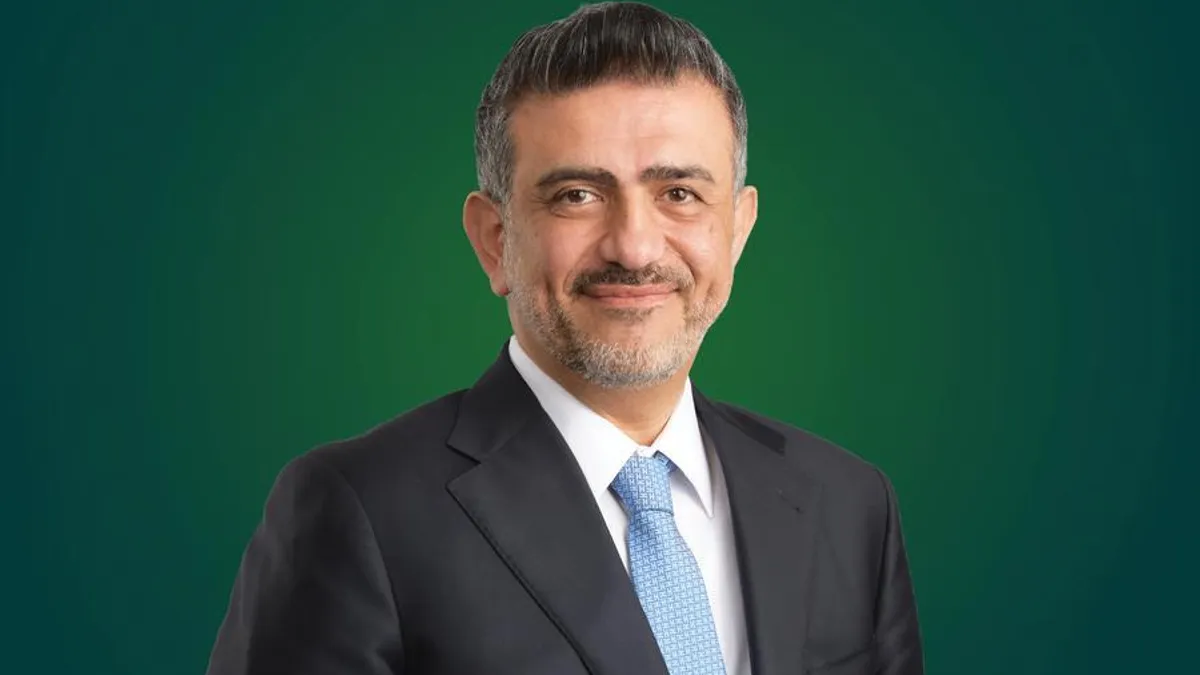
WTO Chief Ngozi Okonjo-Iweala Discusses Global Trade Challenges Amid Conflict
📋 Key Takeaway: WTO Director-General Ngozi Okonjo-Iweala addresses the impact of Middle East conflicts on global trade, emphasizing lessons learned from past crises and the need for coordinated responses.
Impact of Middle East Conflicts on Global Trade
The ongoing conflicts in the Middle East are exerting significant pressure on the availability of energy, food, and fertilizers, raising concerns that the global response may echo early missteps observed during the COVID-19 pandemic. During that period, governments worldwide adopted isolationist measures, imposing export bans and restrictions to secure vaccines for their populations, even when production capacities exceeded actual needs.
Although these measures were later eased, the initial responses left poorer nations at the back of the queue, resulting in dire consequences. A similar pattern emerged with the outbreak of the Russia-Ukraine war, which disrupted fertilizer and food markets. In the first two months of the conflict, WTO monitoring data indicated that member countries implemented 53 trade measures, with nearly three-quarters being restrictive.
Export bans and restrictions on essential goods, particularly food, fertilizers, and fuel, have tightened global supplies and driven up prices. While some measures, including a package of import duty reductions, have slightly alleviated pressures, actions taken by countries to protect their domestic markets often lead to higher prices and increased global volatility.
Current Trade Responses and Lessons Learned
Currently, the response to the disruptions in the Strait of Hormuz appears less restrictive, marking a notable shift. WTO members have enacted a significant number of facilitative measures to address constraints on energy and related products, including fertilizers and food. Of the approximately 78 measures implemented to date, just over 70% aim to facilitate trade, focusing on enhancing global supplies of oil, gas, and refined products, alongside removing some export restrictions and streamlining customs procedures.
This more balanced approach reflects an understanding of lessons learned from previous shocks. In many cases, governments have linked trade measures to policies such as fuel subsidies, tax adjustments, and targeted transfers to protect households from inflationary pressures. Such policies can mitigate local impacts without excessively restricting global supply.
However, the still significant proportion of restrictive measures, around 30%, poses risks. Although these measures may have been well-intentioned, they threaten to exacerbate price pressures and heighten concerns about scarcity. The shift among WTO members towards more effective measures is encouraging, but it should not lead to complacency; further restrictive actions could worsen inflation and increase uncertainty.
Global Supply Chain Resilience and Future Challenges
Global supply chains have demonstrated adaptability in the face of recurring shocks and disruptions. Throughout the COVID-19 pandemic, attacks on vessels in the Red Sea, and previous disruptions in the Black Sea, value chains have adjusted by finding alternative routes and suppliers. Early responses to the situation in the Strait of Hormuz indicate a potential for a similar pattern, with companies redirecting shipments and diversifying supply sources to maintain flows.
Trade policy should support this adaptation rather than hinder it. However, a deeper structural challenge remains: the concentration of vital trade flows across a limited number of countries and maritime corridors. What previously ensured efficiency may become a source of vulnerability under pressure, as over-reliance on a small number of suppliers or routes exposes global markets to risks and reduces their resilience during crises.
The risks extend beyond the Strait of Hormuz to other strategic chokepoints, such as the Suez Canal, Panama Canal, the Strait of Malacca, and the Strait of Gibraltar, highlighting the exposure of global supply chains to disruptions. In such an interconnected system, policy choices in one region can rapidly ripple through markets, amplifying volatility beyond the point of origin.
The Need for Coordinated Global Cooperation
Addressing these risks necessitates more comprehensive foresight approaches to diversify global trade and enhance resilience. Cooperation among governments, international organizations, and the private sector is crucial. The pandemic demonstrated that collaboration among vaccine producers, logistics companies, and institutions such as the WTO, IMF, World Bank, and WHO contributed to improved transparency and alleviated bottlenecks.
Support for the gradual removal of restrictions, while these efforts have not completely relieved pressures, has helped stabilize markets and expand access over time. Future shocks will require similar coordination habits, including timely information sharing, restraint in the use of trade restrictions, and enhanced cooperation with companies that manage, finance, and secure global trade. In a interconnected trading system, resilience cannot be ensured through national measures alone; the alternative to coordinated adaptation is a spiral of restrictions that harms all nations.
Frequently Asked Questions
What are the main challenges facing global trade today?
Current challenges include energy, food, and fertilizer shortages exacerbated by conflicts in the Middle East and Ukraine.
How have countries responded to trade disruptions?
Countries have implemented both restrictive and facilitative measures, with a significant focus on enhancing trade facilitation.
What lessons have been learned from past crises?
Past crises highlight the need for balanced responses that protect local markets without excessively restricting global supply.
Why is global cooperation important for trade resilience?
Global cooperation is essential to mitigate disruptions, enhance transparency, and ensure that trade flows remain stable during crises.
What role does the WTO play in current trade issues?
The WTO facilitates dialogue among member countries and monitors trade measures to ensure a balanced and fair trading environment.