Israel Launches Airstrikes in Beirut Targeting Hezbollah Commander
📋 Key Takeaway: Israel conducted airstrikes in Beirut targeting a Hezbollah commander, marking a significant escalation in ongoing tensions and breaches of a ceasefire.
Israeli Airstrikes Target Hezbollah Command Structure
On Wednesday, Israel executed airstrikes in Beirut for the first time in weeks, specifically targeting the head of Hezbollah’s elite Radwan Force. Prime Minister Benjamin Netanyahu confirmed the operation, although the fate of the commander remains unclear. This attack represents a significant escalation in the ongoing conflict between Israel and Hezbollah, which has seen a series of violent exchanges despite a US-brokered ceasefire.
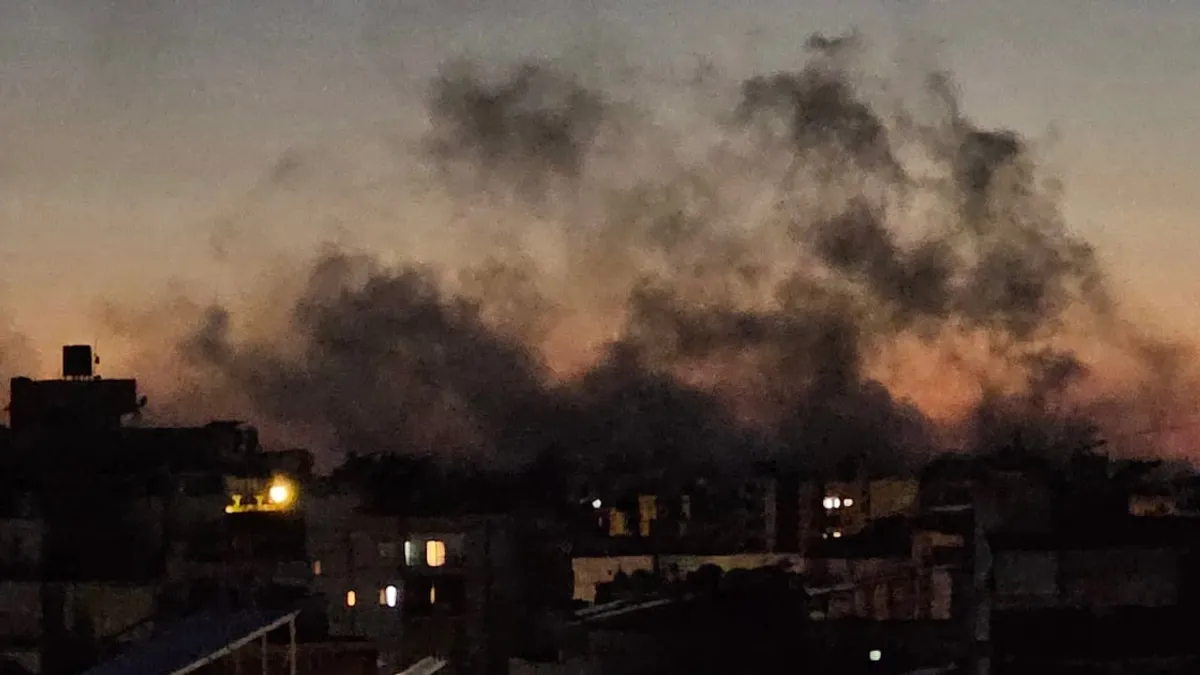
The strikes occurred in the southern suburbs of Beirut, an area known as Dahieh, which has been a stronghold for Hezbollah. According to Lebanese media, three missiles were fired at an apartment in the Haret Hreik area. Following the attack, traffic surged as residents fled the area amid fears of further violence.
Netanyahu indicated he would discuss the situation with US President Donald Trump later in the day, highlighting the international dimension of the conflict. The Radwan Force, which Israel claims is responsible for attacks on northern Israel, has been a focal point of Israeli military operations.
Ongoing Violations of Ceasefire and Increased Displacement
The ceasefire that has been in effect since April 16 is regularly violated by both sides, with Israel’s military issuing displacement orders for multiple towns and villages in Lebanon, particularly in the Bekaa Valley. The village of Zellaya was among those affected, where an airstrike resulted in the deaths of five individuals, including the village mayor and his family.
The Bekaa Valley, a historical stronghold for Hezbollah, has seen fewer airstrikes compared to Beirut’s southern suburbs. However, tensions remain high, with Hezbollah continuing to launch attacks against Israeli positions. On the same day as the Beirut strikes, the Israeli army reported injuries to two soldiers from explosive drones launched by Hezbollah.
Israeli military activities have also increased, with extensive drone operations observed over Beirut, which had previously experienced a period of relative calm. The Israeli military’s strategy includes issuing displacement orders for numerous towns daily, extending their control into Lebanese territory.
Lebanon’s Diplomatic Efforts Amidst Rising Tensions
In response to the escalating violence, the Lebanese government is under pressure from the United States to engage in direct negotiations with Israel. Prime Minister Nawaf Salam emphasized that Lebanon does not seek to normalize relations with Israel but aims to establish peace. He stated that a clear timetable for Israel’s withdrawal from southern Lebanon is a minimum requirement for any negotiations.
US Secretary of State Marco Rubio expressed optimism about the potential for a peace deal between Israel and Lebanon, attributing the current violence to Hezbollah’s actions. Rubio stated, ‘There’s no problem between the Lebanese government and the Israeli government,’ suggesting that a resolution could be within reach if Hezbollah’s provocations cease.
Frequently Asked Questions
What triggered the recent Israeli airstrikes in Beirut?
The airstrikes were aimed at a Hezbollah commander, marking an escalation in ongoing tensions.
What is the current status of the ceasefire between Israel and Hezbollah?
The ceasefire, effective since April 16, has been regularly violated by both parties.
What are the implications of the Israeli military’s displacement orders?
Displacement orders have led to increased civilian evacuations and heightened tensions in affected areas.
How is the Lebanese government responding to the conflict?
Lebanon is seeking direct talks with Israel to negotiate peace, under pressure from the US.
What role does the US play in the Israel-Lebanon conflict?
The US is involved in diplomatic efforts to broker peace and address the violence attributed to Hezbollah.