UAE and Qatar Strengthen Bilateral Ties at Joint Committee Meeting
📋 Key Takeaway: The UAE and Qatar held their seventh Joint Committee meeting in Abu Dhabi, focusing on enhancing bilateral relations and addressing regional challenges.
Significance of the Meeting
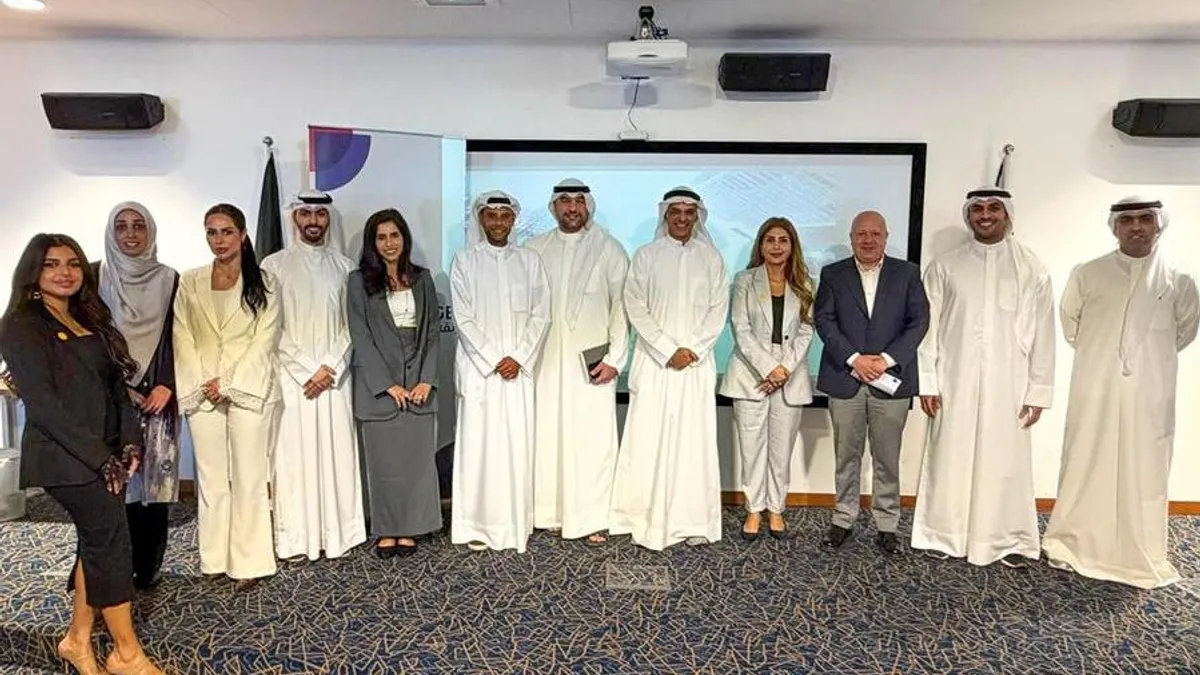
Sheikh Abdullah bin Zayed Al Nahyan, UAE’s Deputy Prime Minister and Minister of Foreign Affairs, and Sheikh Mohammed bin Abdulrahman Al Thani, Qatar’s Prime Minister and Minister of Foreign Affairs, co-chaired the seventh session of the Joint Committee on Wednesday at the Zayed National Museum in Abu Dhabi. The meeting underscores the enduring ties between the two nations and their commitment to fostering cooperation amidst regional challenges.
In his opening remarks, Sheikh Abdullah expressed his delight in welcoming his Qatari counterpart and emphasized the deep-rooted fraternal bonds shared by the UAE and Qatar. He highlighted the importance of the meeting as a testament to the countries’ determination to work collaboratively under the leadership of their respective heads of state.
The UAE minister pointed to the current exceptional circumstances in the region, citing Iranian military aggression and its implications on regional stability. He noted that these challenges necessitate enhanced coordination between the two countries, transforming cooperation from a choice into an imperative.
Economic and Strategic Cooperation
Sheikh Abdullah highlighted the significant growth in non-oil trade between the UAE and Qatar, which reached $13 billion in 2025. This figure reflects the robust economic relationship and the potential for further partnerships across various sectors. He expressed optimism about expanding cooperation, particularly in critical areas such as oil, gas, and energy.
The meeting also addressed international collaboration, with Sheikh Abdullah thanking Qatar for its ongoing support for the UAE in global forums. He mentioned the UAE’s upcoming hosting of the United Nations Water Conference in 2026, emphasizing the importance of international cooperation in addressing water challenges.
The discussions also focused on strategic connectivity and economic integration, aiming to reinforce mutual interests and enhance supply chain resilience. Sheikh Abdullah concluded by expressing hope that the outcomes of the meeting would solidify the partnership between the two nations.
Joint Agreements and Future Outlook
During the meeting, the committee witnessed the signing of several agreements and memorandums of understanding aimed at bolstering cooperation in various fields, including investment protection, food security, and urban development. Notable signatories included Mohammed bin Hadi Al Hussaini, UAE Minister of State for Financial Affairs, and Sultan bin Saad Al Muraikhi, Qatar’s Minister of State for Foreign Affairs.
Sheikh Mohammed bin Abdulrahman reiterated the importance of the joint committee as a platform for advancing the bilateral relationship. He commended the preparatory committee’s efforts in laying a roadmap for future cooperation and highlighted the need for unified diplomatic efforts to tackle the pressing challenges facing the region.
The meeting concluded with both ministers affirming their commitment to continue working together to achieve mutual goals, reinforcing the strategic partnership between the UAE and Qatar.
Frequently Asked Questions
What was discussed at the UAE-Qatar Joint Committee meeting?
The meeting focused on enhancing bilateral relations, economic cooperation, and addressing regional security challenges.
What agreements were signed during the meeting?
Agreements included investment protection, food security, and urban development collaborations.
How much did non-oil trade between the UAE and Qatar reach in 2025?
Non-oil trade reached $13 billion in 2025.
What regional challenges were highlighted during the meeting?
The meeting addressed Iranian military aggression and its impact on regional stability.
What is the significance of the upcoming UN Water Conference hosted by the UAE?
The conference aims to enhance international cooperation on water challenges globally.