Egypt’s Petroleum Minister Unveils Five-Year Plan to Boost Domestic Oil Production
📋 Key Takeaway: Egypt’s Minister of Petroleum Karim Badawi has announced a five-year plan aimed at enhancing domestic oil production through new incentives and advanced drilling techniques.
Minister Badawi Outlines New Initiatives
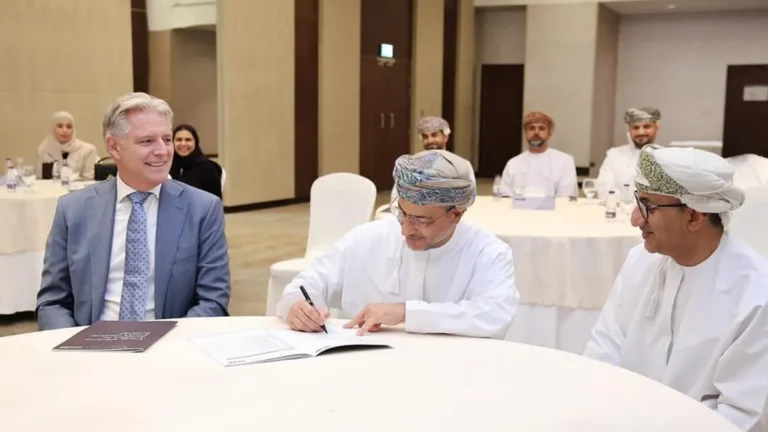
In a recent meeting held with investment partners and leaders from the petroleum sector, Egypt’s Minister of Petroleum and Mineral Resources, Karim Badawi, announced a series of initiatives designed to bolster local oil production. The minister emphasized the importance of moving forward with a comprehensive five-year plan that aims to maximize domestic output while reducing the nation’s reliance on imported oil.
Badawi highlighted the introduction of incentives to expand the use of horizontal drilling and hydraulic fracturing techniques. These initiatives are intended to enhance the efficiency and effectiveness of oil extraction processes in Egypt, thereby increasing production levels. The ministry is also collaborating with technology firms to implement advanced business models that will support these efforts.
Investment Incentives and Strategic Areas for Exploration
The minister detailed the ministry’s strategy to provide investment incentives and deploy integrated project management (IPM) and lump sum turnkey (LSTK) contracts. These models are aimed at improving data quality and seismic surveys, which are critical for making informed investment decisions and mitigating operational risks. Badawi specifically mentioned the exploration of untapped areas, including the Western Mediterranean, the Red Sea, and the southwestern Western Desert, as key targets for future exploration.
In a significant financial development, Egypt has reduced its dues to international oil companies (IOCs) from $6.1 billion in June 2024 to $714 million as of last April. The government aims to fully settle these arrears by the end of June 2026, a move that is expected to further enhance the attractiveness of Egypt’s oil sector to foreign investors.
Industry Response and Future Outlook
Representatives from international oil companies have praised Egypt’s new management approach, which reflects a commitment to accelerated decision-making and overcoming operational challenges. They noted that the flexible contractual models and incentives for horizontal drilling and hydraulic fracturing have significantly improved the competitiveness of Egypt’s concession areas on a global scale.
Additionally, industry partners expressed their eagerness to contribute to the energy transition in Egypt. This includes integrating natural gas security with the expansion of renewable energy sources, aligning with the country’s goal to increase the share of renewables in its energy mix by 2028.
Frequently Asked Questions
What is Egypt’s five-year plan for oil production?
The plan aims to maximize domestic oil production through new incentives and advanced drilling techniques.
How has Egypt reduced its dues to international oil companies?
Egypt reduced its dues from $6.1 billion in June 2024 to $714 million as of last April.
What areas are targeted for oil exploration in Egypt?
Key areas include the Western Mediterranean, the Red Sea, and the southwestern Western Desert.
What incentives are being introduced for oil production?
Incentives include expanded use of horizontal drilling and hydraulic fracturing, along with flexible contractual models.
How does Egypt plan to integrate renewables into its energy mix?
Egypt aims to increase the share of renewables in its energy mix by 2028, alongside enhancing natural gas security.