Indian Designers Shine at 2026 Met Gala with Cultural Heritage
📋 Key Takeaway: Indian designers made a significant impact at the 2026 Met Gala, showcasing cultural heritage through innovative fashion.
A Celebration of Cultural Heritage
The 2026 Met Gala, themed ‘Costume Art,’ served as a platform for Indian designers to showcase their cultural heritage through fashion. The event, held on May 4, 2026, at the Metropolitan Museum of Art in New York City, highlighted a rich tapestry of artistry that transcended mere spectacle. While many attendees opted for flamboyant styles, the Indian contingent embraced a deeper narrative, presenting garments that reflected their historical and cultural significance.
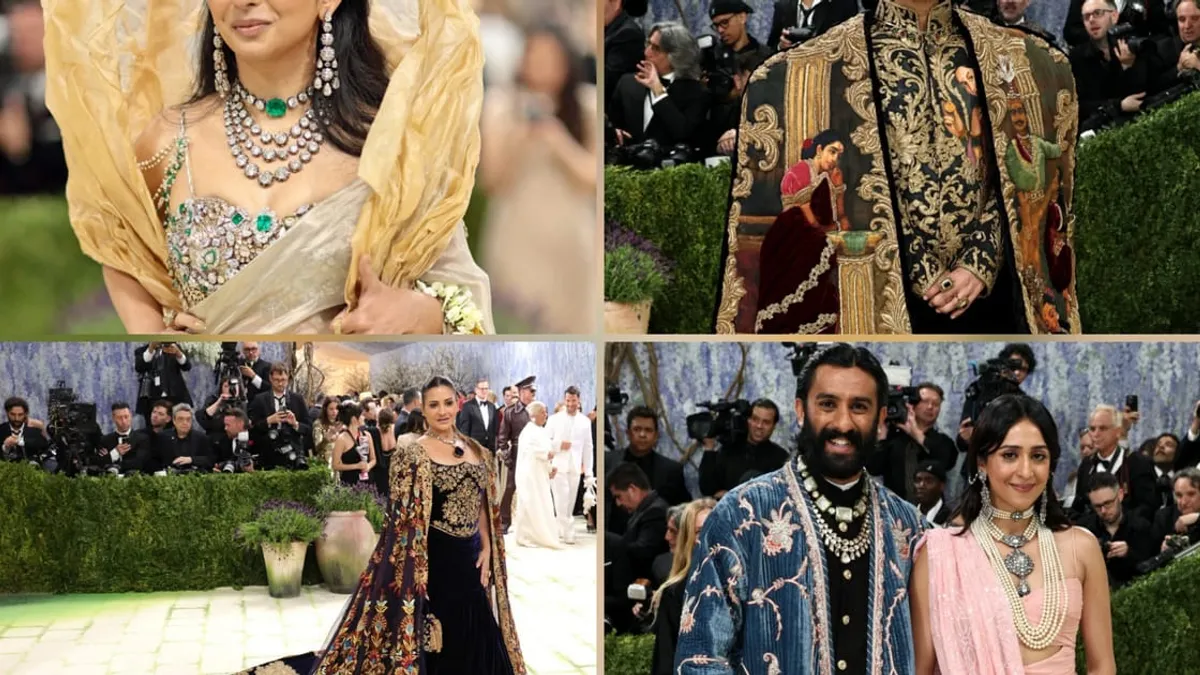
Among the standout appearances was Isha M. Ambani, who wore a custom Gaurav Gupta sari. This exquisite piece, woven with pure gold threads by skilled artisans, drew inspiration from ancient Indian frescoes. The sari’s border featured hand-painted motifs reminiscent of traditional pichwai art, showcasing a blend of heritage and modernity that resonated with the audience.
Notable Attendees and Their Ensembles
Karan Johar made his Met Gala debut in a striking ensemble by Manish Malhotra, which took over 5,600 hours to create. This outfit, inspired by the works of Raja Ravi Varma, was adorned with hand-painted details and intricate embroidery, making it one of the most labor-intensive looks of the night. Styled by Eka Lakhani, Johar’s outfit was a testament to the craftsmanship that defines Indian fashion.
Princess Gauravi Kumari of Jaipur wore a chiffon sari that originally belonged to her grandmother, Maharani Gayatri Devi. The gown, designed by Prabal Gurung, preserved the fabric’s original drape while offering a contemporary silhouette. In contrast, her brother, Maharaja Sawai Padmanabh Singh, donned a Gurung piece crafted from deep velvet and embellished with intricate embroidery, showcasing the rich textile traditions of Rajasthan.
Artistry and Innovation on Display
Manish Malhotra, returning for his second Met appearance, wore a cape embroidered with the names of the artisans who contributed to its creation, effectively putting the spotlight on the craftsmanship behind his designs. This choice marked a significant shift in the narrative of fashion, emphasizing the importance of the creators rather than the designer alone.
Other notable ensembles included Diya Mehta Jatia’s dress, which incorporated West Bengal’s Shola craft into a Kanjivaram base, and Sudha Reddy’s outfit that featured motifs from Kalamkari art. Ananya Birla’s look fused couture with contemporary art, showcasing a tailored blazer paired with a pleated skirt and a sculptural mask, highlighting the intersection of fashion and personal identity.
Impact of the Indian Presence
The collective presence of Indian designers and celebrities at the Met Gala 2026 not only made a visual impact but also articulated a profound statement about the role of fashion in preserving and celebrating cultural heritage. Each ensemble told a story, intertwining traditional craftsmanship with modern aesthetics, and challenging the conventional narratives often seen on such global platforms.
Frequently Asked Questions
What was the theme of the 2026 Met Gala?
The theme was ‘Costume Art,’ focusing on the intersection of fashion and cultural expression.
Who were some notable Indian attendees at the Met Gala?
Notable attendees included Isha Ambani, Karan Johar, and Princess Gauravi Kumari.
What materials were used in the Indian ensembles?
Materials included chiffon, velvet, and gold threads, with intricate embroidery and traditional motifs.
How did Indian designers reinterpret tradition at the Met Gala?
They incorporated historical fabrics and motifs into contemporary designs, emphasizing cultural heritage.
What statement did the Indian presence at the Met Gala convey?
It highlighted the importance of craftsmanship and cultural narratives in fashion.