
UN Report Reveals 316 Million Drug Users Worldwide Amid Rising Addiction Rates
📋 Key Takeaway: A recent UN report indicates that 316 million people globally use drugs, reflecting a 20% increase over the last decade, with significant implications for public health and safety.
Rising Global Drug Use and Its Impact
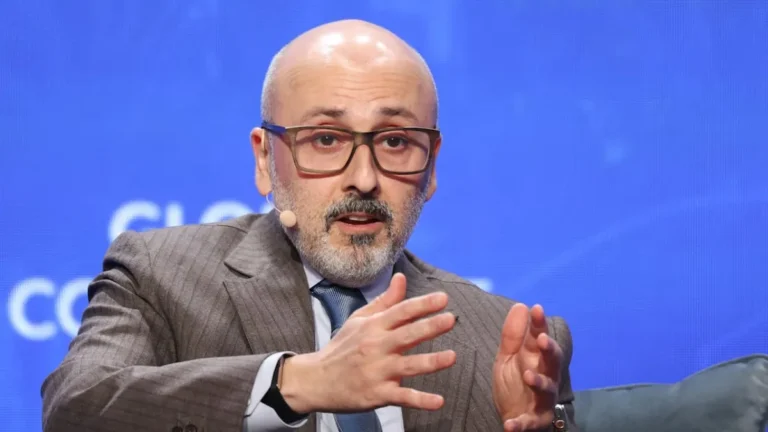
Dr. Amr Osman, Director of Egypt’s Fund for Drug Control and Treatment of Addiction, announced that a recent United Nations report has revealed that 316 million individuals worldwide are currently using drugs. This figure represents a staggering 20% increase over the past decade. During a meeting with Dr. Nazir Muhammad Ayad, Egypt’s Grand Mufti, Dr. Osman emphasized the alarming trend, particularly among youth aged 15 to 19, who account for 45% of drug-related fatalities.
The report also indicated that approximately 500,000 individuals die each year due to drug-related causes. Dr. Osman highlighted the emergence of new synthetic drugs that are rapidly increasing in prevalence and potency, often surpassing the effects of traditional substances like heroin. This growing issue poses significant challenges for public health systems worldwide.
Furthermore, Dr. Osman pointed out a critical treatment gap in addiction care, noting that only one in twelve male patients and one in seventeen female patients have access to necessary treatment services globally. In contrast, Egypt offers comprehensive addiction treatment services free of charge, ensuring confidentiality and adherence to international standards.
The Intersection of Drugs and Crime
The UN report underscores a troubling correlation between drug use and organized crime, indicating that more than 50% of the economic activities of global criminal organizations are linked to drug trafficking. This relationship exacerbates issues of violence and illicit financial flows, complicating efforts to combat drug-related crime.
Dr. Osman reiterated the importance of addressing these challenges through a multifaceted approach that includes prevention, treatment, and community engagement. The role of governmental and non-governmental organizations is critical in developing effective strategies to combat the drug crisis.
Community Responsibility in Addressing Drug Abuse
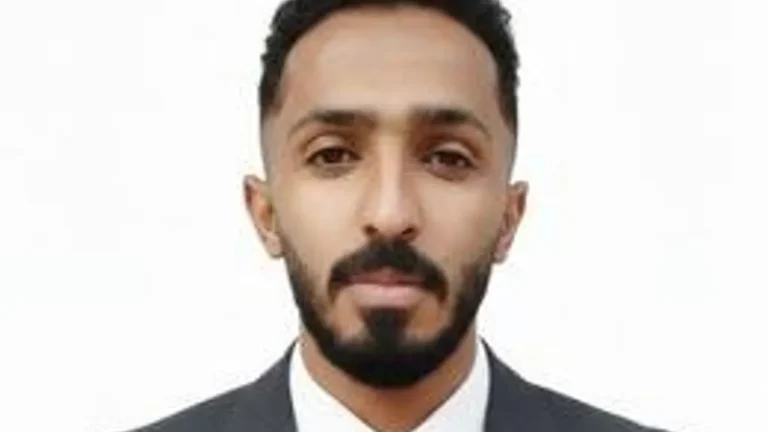
Dr. Nazir Muhammad Ayad, the Grand Mufti of Egypt, stressed that combating the drug epidemic is not solely the responsibility of any single entity but a collective national and societal obligation. He emphasized the need for all institutions to collaborate in protecting youth and safeguarding societal well-being.
The Grand Mufti highlighted the importance of correcting misconceptions associated with drug use, which are often portrayed as means of coping with stress or enhancing focus. He reaffirmed that Islamic teachings explicitly discourage any actions that harm individuals or society.
The Egyptian Fatwa House is committed to expanding cooperation with various state institutions, including the Fund for Drug Control and Treatment of Addiction, to launch joint awareness initiatives. These efforts will utilize digital platforms and social media to effectively reach young audiences with impactful messaging.
The Grand Mufti praised the Fund’s proactive role in implementing preventive programs aimed at raising awareness about the dangers of addiction, while also providing free treatment services for those affected.
Frequently Asked Questions
What does the UN report say about global drug use?
The report indicates that 316 million people worldwide use drugs, a 20% increase over the last decade.
How does drug use affect youth?
Youth aged 15 to 19 account for 45% of drug-related deaths, highlighting their vulnerability.
What are the treatment options for drug addiction in Egypt?
Egypt provides free and confidential addiction treatment services, adhering to international standards.
What is the link between drug use and organized crime?
The UN report states that over 50% of the economic activities of organized crime are linked to drug trafficking.
How are community efforts being mobilized to combat drug addiction?
Community and religious leaders are collaborating on awareness initiatives to educate the public about drug risks.