American Restaurant Chains Report Lower Than Expected Sales Growth
📋 Key Takeaway: American restaurant chains, including Wingstop and Domino’s, report disappointing sales growth amid rising fuel prices due to the Israel-Iran conflict.
Sales Growth Declines Amid Rising Fuel Costs
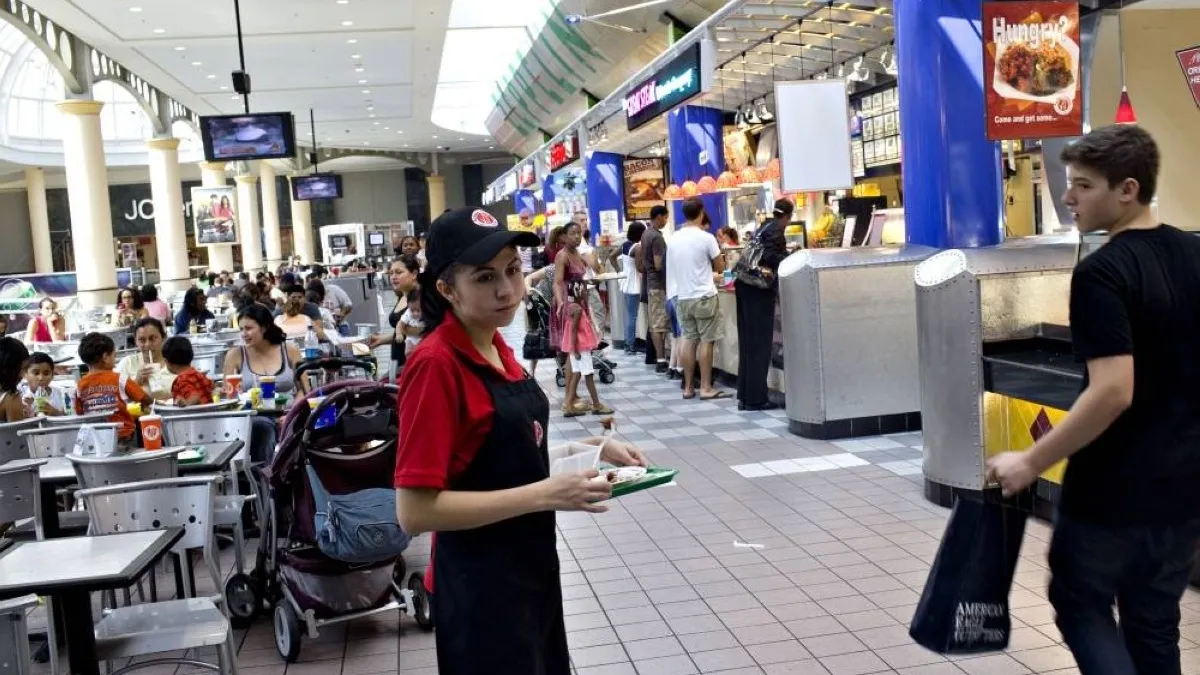
American restaurant chains are experiencing lower-than-expected sales growth, with major players such as Wingstop and Domino’s reporting declines in the previous quarter. This downturn is largely attributed to soaring fuel prices, which have been exacerbated by the ongoing Israel-Iran conflict that began on February 28. As consumers face increased costs at the pump, many are compelled to cut back on discretionary spending, leading to reduced patronage at restaurants.
According to data from the London Stock Exchange Group, analysts predict that other restaurant chains, including Shake Shack and Jack in the Box, may also report similar declines in their upcoming earnings reports. The conflict has resulted in unprecedented disruptions to global oil supplies, pushing the average price of gasoline in the United States to $4.43 per gallon, a nearly 40% increase compared to the same period last year. In California, prices have exceeded $6 per gallon, significantly impacting consumer behavior in a state known for its extensive dining options.
Corporate Responses and Future Outlook
Wingstop, a chain known for its affordable chicken wings, reported an 8.7% decline in quarterly sales, attributing the downturn to the pressure from rising fuel costs. CEO Michael Skipworth acknowledged the difficulty in predicting economic conditions and advised investors to brace for continued sales declines throughout the year, primarily due to anticipated sustained high fuel prices.
Even chains that performed well in the previous quarter are exercising caution. Chipotle, which recorded better-than-expected same-store sales growth of 0.5%, has maintained its growth forecast for the year. CFO Adam Raymer attributed this cautious outlook in part to the uncertainty surrounding the ongoing conflict and fluctuating fuel prices.
Investor Sentiment and Market Impact
Investor sentiment within the restaurant sector has shifted, as reflected by a 5% decline in the American restaurant index since the onset of the conflict, resulting in a market value loss exceeding $40 billion, according to the London Stock Exchange Group. Analysts at Revenue Management Solutions have identified a critical threshold at $4 per gallon for gasoline, beyond which restaurant visits begin to decline significantly.
Their analysis of 14.6 billion transactions over the past four years indicates that as fuel prices rise, restaurant visits diminish. For instance, an average gasoline price of $4.20 per gallon could lead to a 1.5% decrease in visits, while prices reaching $5.10 or more could see fast-food restaurants experience a 3% drop in customer traffic.
Frequently Asked Questions
What factors are causing the decline in restaurant sales?
The decline is primarily due to rising fuel prices linked to the Israel-Iran conflict, which has forced consumers to cut back on discretionary spending.
Which restaurant chains reported lower sales growth?
Chains such as Wingstop and Domino’s reported disappointing sales growth, with Wingstop experiencing an 8.7% decline.
How have fuel prices impacted consumer behavior?
Increased fuel prices have led consumers to reduce spending on dining out, affecting restaurant traffic and sales.
What is the outlook for the restaurant industry?
Analysts predict continued challenges for the restaurant sector, with expectations of further declines in sales growth due to sustained high fuel prices.
What strategies are restaurants employing to attract customers?
Some chains, like Taco Bell, are offering discounted menu items to entice customers amid declining sales.