Emaar’s Mohamed Alabbar Highlights UAE’s Crisis Resilience at Conference
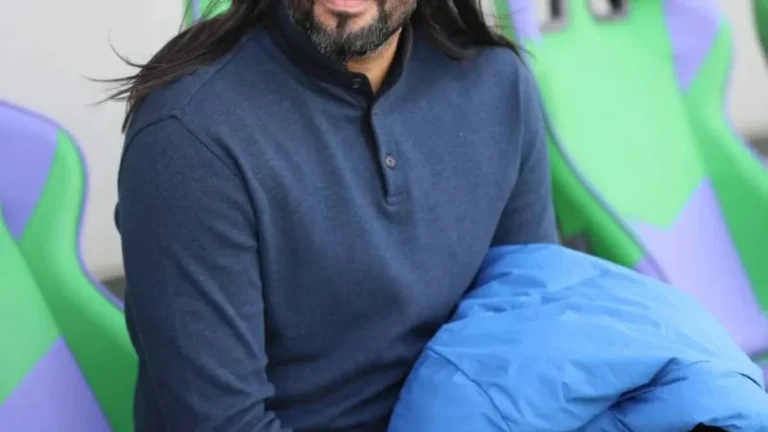
📋 Key Takeaway: Mohamed Alabbar, Founder of Emaar Properties, emphasized the UAE’s ability to adapt to crises during the Make it in the Emirates conference in Abu Dhabi.
UAE’s Resilience Amid Global Crises
Mohamed Alabbar, the Founder and Managing Director of Emaar Properties, asserted that the United Arab Emirates has proven its capacity to adapt to crises during a panel discussion at the Make it in the Emirates conference held in Abu Dhabi. Alabbar, alongside other prominent business leaders, discussed the resilience of family businesses in the face of challenges, particularly in light of recent geopolitical tensions.
Reflecting on the ongoing conflict in Ukraine and its global repercussions, Alabbar noted that the UAE’s leadership has consistently demonstrated strength and resilience. He remarked, ‘We are all impacted by war, whether that is directly, or in the case of the conflict between Russia and Ukraine, everybody around the world feels it.’ Alabbar emphasized that the UAE’s ability to handle crises stems from lessons learned during previous economic downturns, including the COVID-19 pandemic and the 2008 financial crisis.
He highlighted that Emaar Properties has built a resilient business model capable of absorbing shocks from external crises. ‘For the first time, we really felt the strength of the resilience that we built,’ Alabbar stated, reflecting on how past experiences have prepared the company to navigate current challenges.
The Role of Family Businesses in Economic Stability
Abdul Aziz Al Ghurair, Chairman of the Abdul Aziz Al Ghurair Group, echoed Alabbar’s sentiments, emphasizing the critical role of family businesses in the UAE’s economy. He pointed out that family enterprises account for 80 percent of the workforce and generate approximately 60 percent of the nation’s GDP. Al Ghurair stressed the importance of resilience and quick decision-making in overcoming crises, citing the impact of the Ukraine conflict on their supply chain.
He noted that the conflict forced his company to adapt rapidly, as 70 percent of their imports came from Ukraine. ‘You simply can’t prepare for every crisis,’ he said, advocating for a proactive approach to resilience, which includes the ability to make swift decisions during challenging times.
Ghadah Hussain Al Fardan, President of Al Fardan Jewelry, added that crises can also serve as catalysts for growth and innovation. She reflected on the opportunities that emerged during the COVID-19 pandemic, stating, ‘I believe that a crisis represents an opportunity for everyone to take a step back and think about the future.’ Al Fardan expressed optimism about using challenging periods to reset and launch new initiatives.
Maintaining Business Continuity During Adversity
Mohammad Abdul Majeed Seddiqi, Chief Commercial Officer of Seddiqi Holding, shared insights into how his company navigated recent economic challenges without closing any stores. He emphasized a ‘business as usual’ approach, focusing on customer relationships and employee wellbeing. ‘We didn’t close our offices. The customers are our family, and sometimes in a crisis you can strengthen that relationship and bond,’ Seddiqi stated.
Seddiqi’s commitment to maintaining operations during turbulent times reflects a broader trend among family businesses in the UAE, showcasing their adaptability and customer-centric strategies. His remarks underscored the importance of supporting employees and fostering a sense of stability amidst uncertainty.
Frequently Asked Questions
What did Mohamed Alabbar say about the UAE’s crisis resilience?
Alabbar emphasized that the UAE can handle any crisis, citing recent geopolitical tensions.
How do family businesses contribute to the UAE economy?
Family businesses account for 80% of the workforce and generate around 60% of GDP in the UAE.
What lessons did Emaar Properties learn from past crises?
Emaar learned to build resilience and agility in business operations to handle external shocks.
How did Seddiqi Holding manage during recent crises?
Seddiqi Holding maintained operations and focused on customer relationships without closing stores.
What opportunities can arise from crises, according to the panelists?
Panelists suggested that crises can provide opportunities for growth and innovation.