
Ancient Roman Shipwreck Study Reveals Advanced Maritime Coatings
📋 Key Takeaway: A new study has revealed advanced organic coatings used in ancient Roman shipbuilding, based on a 2,200-year-old shipwreck found off the coast of Croatia.
Breakthrough Findings from the Ilovik-Bargain 1 Shipwreck
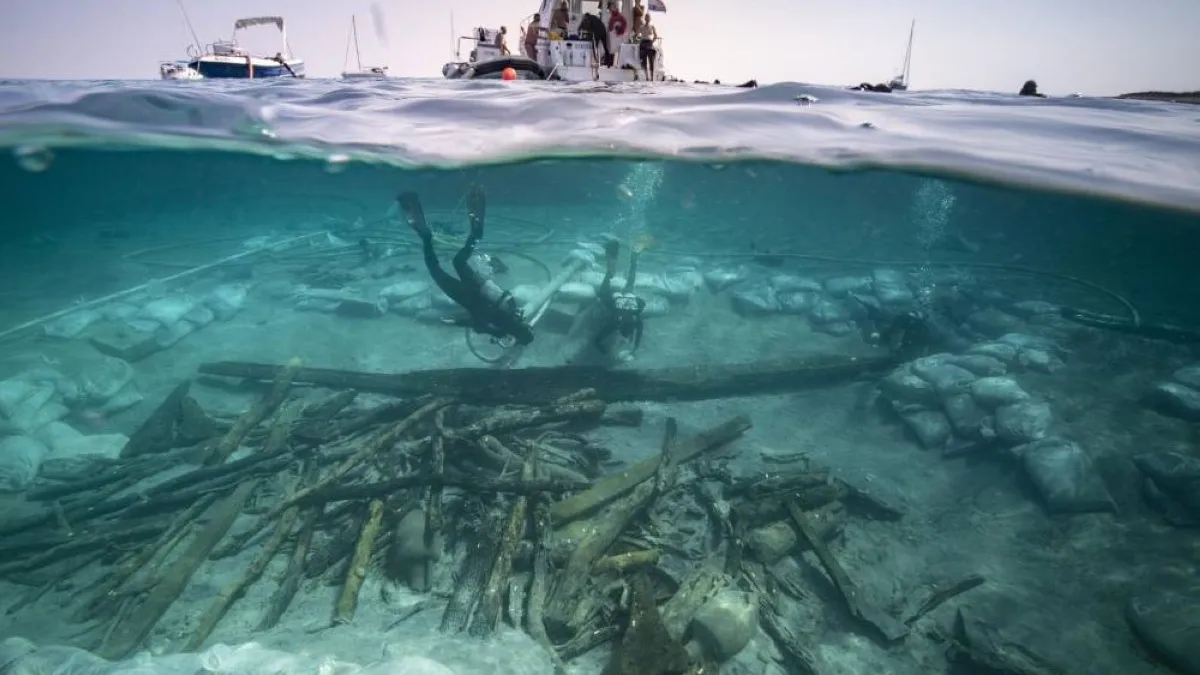
A recent scientific study has unveiled unprecedented details about shipbuilding technologies in the Roman era, following the analysis of a shipwreck dating back approximately 2,200 years, discovered off the coast of Croatia. The findings, published in the journal Frontiers in Materials, focus on the remains of a Roman ship from the Republic era known as Ilovik-Bargain 1, which sank in the Adriatic Sea.
Researchers from France and Croatia conducted an in-depth analysis of the ship’s surface layers to understand the waterproofing techniques employed during that period. The study emphasizes the significance of organic materials in maritime archaeology, which are often overlooked despite their crucial role in ancient navigation and technology.
Innovative Waterproofing Techniques Used by Ancient Mariners
The study revealed that the ship was coated with two primary types of protective paint. The first was based on pine tar, while the second consisted of a mixture of pine tar and beeswax, historically known to the Greeks as ‘Zobisa.’ This combination is recognized for its flexibility and ease of application when heated, showcasing the advanced techniques employed by ancient shipbuilders.
Additionally, the analysis of pollen trapped within the paint layers provided insights into the surrounding vegetation during the ship’s construction or maintenance. The data indicated a diverse range of plant life, including pine and oak forests, as well as Mediterranean shrubs such as olive and hazel, alongside indicators of riverine and coastal environments.
Insights into Ship Maintenance and Historical Context
The research team successfully analyzed ten samples of the coatings using advanced molecular and structural techniques, including mass spectrometry. This analysis confirmed that heated pine resin was the primary component, with variations in composition among some samples. The study indicated that the ship likely underwent four to five recoating and repair processes over time, as evidenced by similarities in the paint layers in the middle and rear sections, while three distinct layers were identified at the bow.
These findings support a previous hypothesis linking the ship’s construction to the ancient Roman city of Brundisium (modern-day Brindisi) in southeastern Italy. It is believed that some of the initial coating processes occurred there before the ship underwent further maintenance along the northeastern Adriatic coast, where the wreck was ultimately discovered.
Implications for Archaeological Research
Dr. Armel Charri, the lead researcher from the Mass Spectrometry Laboratory for Reactions and Systems in Strasbourg, emphasized the challenges of proving repeated repairs on ancient ships. However, the analysis of pollen has proven effective in differentiating between various paint layers, even in cases where molecular compositions appear identical. This innovative approach could pave the way for more comprehensive studies of ancient maritime practices.
Frequently Asked Questions
What was the significance of the Ilovik-Bargain 1 shipwreck?
The shipwreck provided insights into advanced shipbuilding techniques and waterproofing methods used by ancient Romans.
What materials were used for waterproofing in ancient Roman ships?
Ancient Romans used a combination of pine tar and beeswax for waterproofing their ships.
How did researchers analyze the shipwreck?
Researchers used advanced molecular techniques, including mass spectrometry, to analyze the paint layers.
What does the study reveal about the maintenance of ancient ships?
The study indicates that the ship underwent multiple recoating and repair processes throughout its lifespan.
How does this research contribute to maritime archaeology?
This research highlights the importance of organic materials and their role in understanding ancient shipbuilding and maintenance.