UAE Exits OPEC, Signaling Shift in Global Oil Dynamics
📋 Key Takeaway: The UAE’s decision to leave OPEC highlights a fundamental shift in the oil market, emphasizing flexibility over coordination amid evolving global dynamics.
UAE’s Departure from OPEC: A Strategic Shift
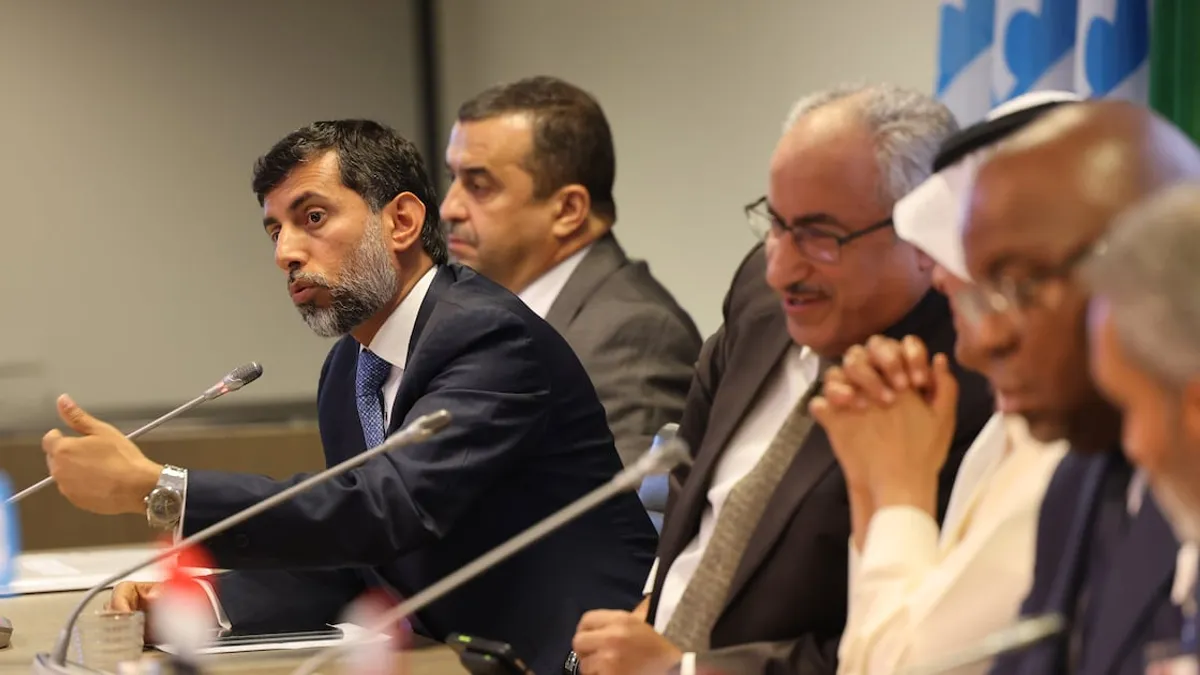
The United Arab Emirates (UAE) has announced its departure from the Organisation of the Petroleum Exporting Countries (OPEC), a move that may have far-reaching implications for both the UAE and global oil markets. This decision transcends a mere dispute over production quotas; it signals a significant re-evaluation of the UAE’s energy strategy and its broader economic ambitions. As countries grapple with diverging priorities, the UAE’s exit illustrates a shift towards a more flexible approach to oil production and market engagement.
Historically, OPEC’s effectiveness stemmed from the alignment of its member countries’ interests, facilitating coordinated efforts to stabilize global oil prices. However, the current landscape reflects a fragmentation of priorities among producers. Some nations are focused on increasing output to fund domestic transformation, while others prioritize price stability through supply restrictions. This divergence underscores a fundamental challenge for OPEC: the existing framework no longer accommodates the varied economic models and future visions of its members.
The UAE has been at the forefront of this shift, advocating for an increase in its production baseline in recent years. This push highlighted the limitations of OPEC’s rigid quota system, raising questions about its relevance in a rapidly changing oil market. The ongoing geopolitical tensions, particularly in critical regions like the Strait of Hormuz, emphasize the need for flexibility in oil production. In this context, the UAE’s departure allows for a more agile response to market dynamics.
Implications for Global Oil Markets
The UAE’s exit from OPEC is not merely a reflection of its national interests but also indicative of broader trends in the global oil landscape. The traditional supply-demand dynamics are increasingly influenced by geopolitical factors, which can lead to rapid price fluctuations based on perceived risks rather than actual shortages. This shift necessitates a more responsive approach to oil production and distribution, one that is less constrained by collective agreements.
The UAE’s strategic investments in oil infrastructure, logistics, and global energy networks have positioned it to act independently and swiftly in response to market changes. By stepping outside OPEC, the UAE can leverage its capabilities to manage supply and stabilize markets without being bound by the constraints of a quota system. This newfound flexibility could serve as a competitive advantage in an increasingly volatile energy environment.
Moreover, the UAE’s decision reflects a broader shift in its approach to regional and international cooperation. While collaboration remains essential, the emphasis is now on maintaining the ability to act independently when necessary. This evolution in strategy is evident in the UAE’s diversification efforts, which have expanded beyond oil into sectors such as renewable energy, logistics, and technology.
The Future of OPEC and Global Energy Strategy
The implications of the UAE’s departure extend beyond immediate market reactions. OPEC may continue to exist as a forum for discussion, but its ability to enforce discipline and shape market outcomes is diminishing. The organization was designed for a different era, and the current geopolitical and economic realities require a more adaptable framework.
As the UAE redefines its role in the global oil market, the question arises: can OPEC adapt to a world where traditional coordination is insufficient? The pressures of diverging interests, geopolitical volatility, and the necessity for swift action are likely to persist, challenging OPEC’s relevance in the long term.
Frequently Asked Questions
Why did the UAE leave OPEC?
The UAE’s departure reflects a desire for greater flexibility in its oil production strategy amid diverging national priorities among producers.
What are the implications of the UAE’s exit for global oil prices?
The exit could lead to increased volatility in oil prices as the UAE seeks to respond more rapidly to market conditions without OPEC’s constraints.
How has the UAE diversified its economy beyond oil?
The UAE has expanded into renewable energy, logistics, finance, and technology, reducing its reliance on oil as the sole driver of economic growth.
Will OPEC continue to exist after the UAE’s departure?
OPEC is likely to remain as a discussion forum, but its influence over market dynamics may continue to weaken.
What does the UAE’s exit say about its future energy strategy?
The UAE’s exit indicates a shift towards a more independent and flexible energy strategy, prioritizing adaptability over rigid coordination.