
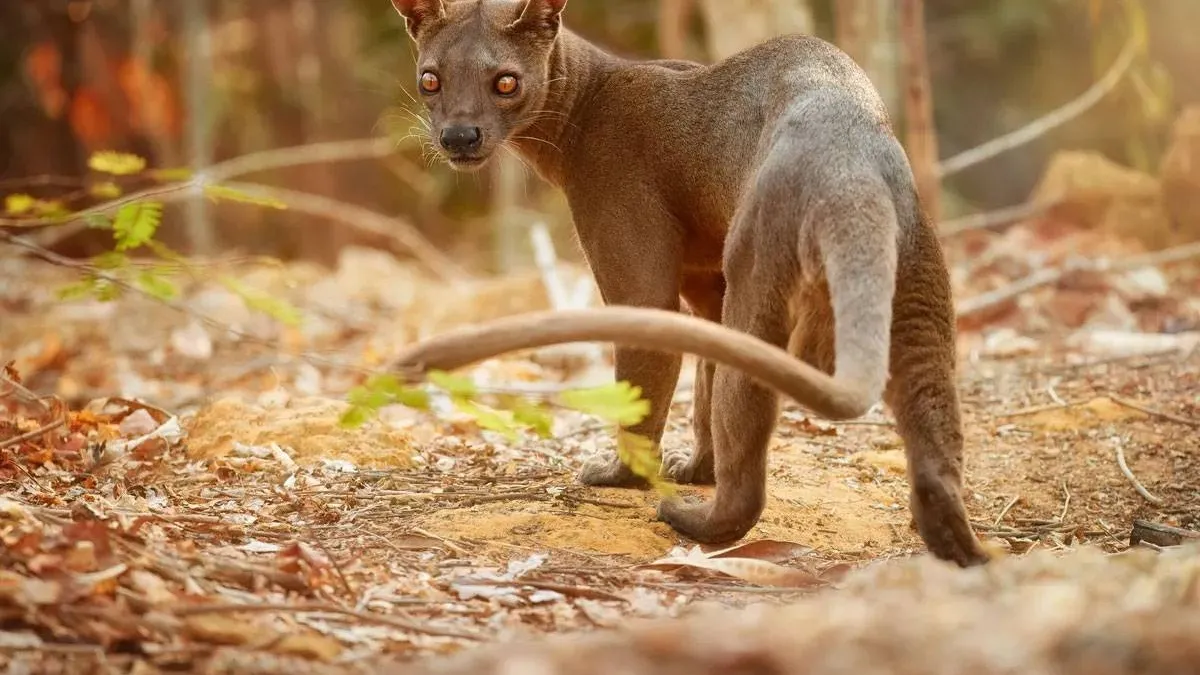
Madagascar’s Unique Ecosystem Faces Threats Amidst Biodiversity Richness
📋 Key Takeaway: Madagascar, the world’s oldest island, is renowned for its rich biodiversity, yet faces significant threats from habitat loss and climate change.
Geographical and Ecological Significance of Madagascar
Situated approximately 400 kilometers off the southeastern coast of Africa, Madagascar is the fourth largest island in the world and boasts a unique ecological system. This geographical isolation has allowed the island to develop a distinct environment over millions of years, resulting in a rich tapestry of biodiversity that includes a variety of terrains from rainforests to arid regions.
Geological studies indicate that Madagascar was once part of the ancient supercontinent Gondwana, gradually separating from it around 150 million years ago. This separation continued with Madagascar detaching from the Indian subcontinent, leading to a prolonged period of isolation that has shaped its unique evolutionary path. As a result, the island has become a sanctuary for species that exist nowhere else on Earth.
Endemic Species and Unique Wildlife
Today, approximately 90% of Madagascar’s wildlife is endemic, meaning these species are not found outside the island. This high level of endemism includes the iconic lemurs, which serve as a symbol of Madagascar’s wildlife. With over 100 different species, lemurs vary dramatically in size and social behavior, showcasing the island’s exceptional evolutionary adaptations.
Among the island’s most peculiar inhabitants is the aye-aye, a rare lemur characterized by its large eyes and slender body. This species employs a unique foraging technique, using its elongated finger to tap on trees and listen for the movement of insects beneath the bark. Despite its unusual appearance, the aye-aye exemplifies the remarkable evolutionary processes at work in Madagascar’s isolated ecosystem.
Threats to Biodiversity and Conservation Efforts
Despite its rich biodiversity, Madagascar’s wildlife faces severe threats from habitat loss due to agricultural expansion, poaching, and climate change. Scientific estimates suggest that thousands of species on the island are at varying degrees of risk of extinction. The loss of such biodiversity could have irreversible consequences, as it may take millions of years for nature to rebuild this level of diversity if lost.
Conservationists warn that the fragility of Madagascar’s ecosystem is a stark reminder of the impacts of human activity on the planet. The island serves not only as a living laboratory illustrating the effects of long-term isolation on evolution but also as a critical barometer for understanding the broader implications of biodiversity loss globally.
Frequently Asked Questions
What makes Madagascar’s biodiversity unique?
Approximately 90% of Madagascar’s wildlife is endemic, meaning these species exist nowhere else on Earth.
What are the main threats to Madagascar’s wildlife?
The main threats include habitat loss from agriculture, poaching, and climate change.
Why is the aye-aye considered a unique species?
The aye-aye uses its elongated finger to tap on trees and find insects, showcasing unique foraging behavior.
How does Madagascar’s isolation affect its wildlife?
Isolation has led to unique evolutionary paths, resulting in species that have adapted specifically to the island’s environment.
What are the implications of biodiversity loss in Madagascar?
Loss of biodiversity could lead to irreversible ecological consequences, with nature taking millions of years to recover.