
Met Gala Launches ‘Costume Art’ Exhibition Highlighting Diverse Bodies
📋 Key Takeaway: The Met Gala has unveiled the ‘Costume Art’ exhibition, showcasing diverse body types through fashion and art, set to open to the public on May 10.
A New Era of Body Positivity in Fashion
The Metropolitan Museum of Art’s Costume Institute has launched its latest exhibition, ‘Costume Art,’ coinciding with this year’s Met Gala. The exhibition opens to the public on May 10, following a preview for gala attendees. Curator Andrew Bolton emphasizes that the show aims to reclaim and celebrate the diverse representations of the body throughout art history, moving beyond traditional ideals of beauty.
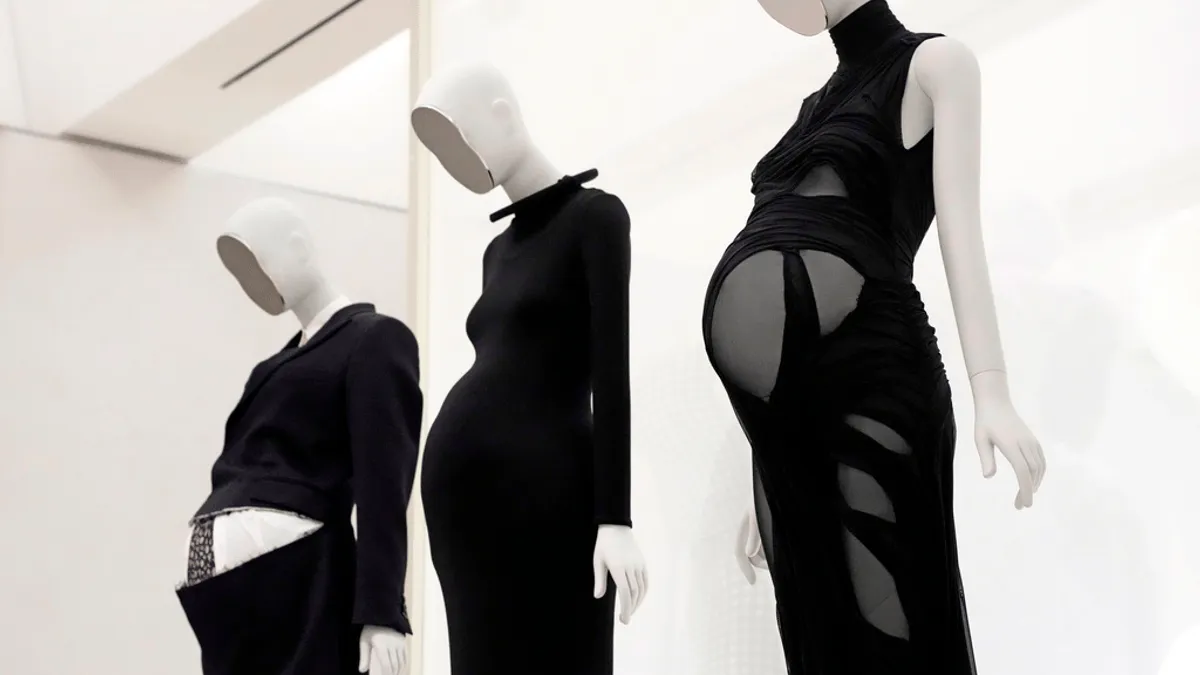
‘Costume Art’ features an extensive collection of 400 items, highlighting various body types, including the corpulent, disabled, pregnant, and aging bodies. The exhibition will be housed in a newly renovated space on the museum’s main floor, strategically located for greater accessibility. This year, the Met Gala raised a record $31 million, underscoring the financial support for the Costume Institute and its initiatives.
Among the standout pieces is a striking column gown by Dolce & Gabbana, adorned with sequins and depicting the Greek goddess Aphrodite. Bolton notes that while the exhibit references classical forms, its purpose is to challenge and redefine them, making way for a more inclusive narrative.
Exploring Diversity Through Fashion
The exhibition is structured around themes that explore the relationship between art and fashion. The first gallery, titled ‘Bodily Being in its Diversity,’ juxtaposes historical garments with art pieces to illustrate the connection between fashion and artistic expression. This section begins with classic Grecian gowns and progresses to more contemporary interpretations that encompass a broader spectrum of body types.
A significant focus is placed on the pregnant body, which has often been marginalized in both art and fashion. Designers like Georgina Godley have created pieces that celebrate pregnancy, such as her 1986 ‘Bump and Lump’ collection. This is paired with Edgar Degas’s sculpture ‘Pregnant Woman,’ highlighting the historical neglect of this body type in artistic representation.
The exhibition also addresses the corpulent body, showcasing designer Michaela Stark’s work. Her corsetry, exemplified by the ensemble ‘Fat Not Fertile,’ challenges conventional associations between body size and fertility. By using corsets to accentuate rather than conceal, Stark aims to empower the female form, a message echoed throughout the exhibition.
Highlighting the Disabled and Aging Bodies
A compelling section of ‘Costume Art’ focuses on the disabled body, featuring mannequins inspired by real individuals with disabilities. Notable pieces include a mannequin modeled after Paralympian Aimee Mullins, who wears Victorian-style boots that serve as prosthetics. This innovative approach aims to challenge perceptions and celebrate the diversity of the disabled community.
Sinéad Burke, an Irish disability activist, is also represented in the exhibition with two unique ensembles. One includes a Burberry trench coat adapted for her stature, while the other features a Vivienne Westwood dress, reinforcing the idea that fashion should be inclusive. The exhibition further examines the theme of aging, reframing it as a mark of sophistication rather than decline.
The second main gallery shifts focus to universal themes, such as mortality and the human experience. This includes garments that reflect on aging, such as a jacket by Vivienne Westwood that symbolizes the intersection of beauty and vulnerability. ‘Costume Art’ seeks to create a dialogue about the human condition through the lens of fashion, challenging visitors to reconsider their perceptions of beauty and identity.
Implications for the Future of Fashion Exhibitions
‘Costume Art’ not only marks a significant shift in how fashion is presented within the museum context but also aligns with broader conversations about inclusivity and representation in the arts. By spotlighting diverse body types, the exhibition advocates for a more equitable understanding of beauty that resonates with contemporary audiences.
As the exhibition prepares to open, it raises important questions about the future of fashion in art spaces. Will other institutions follow suit in embracing diversity? The success of ‘Costume Art’ could pave the way for similar initiatives, fostering a more inclusive narrative in fashion and art.
Frequently Asked Questions
When does the ‘Costume Art’ exhibition open to the public?
‘Costume Art’ opens to the public on May 10, 2026.
What themes are explored in the ‘Costume Art’ exhibition?
The exhibition explores themes of diversity, including the corpulent, disabled, pregnant, and aging bodies.
Who is the curator of the ‘Costume Art’ exhibition?
Andrew Bolton is the curator of the ‘Costume Art’ exhibition at the Metropolitan Museum of Art.
How much money did the Met Gala raise last year?
Last year, the Met Gala raised a record $31 million for the Costume Institute.
What is the significance of the new gallery space for fashion exhibitions?
The new gallery space allows for easier access and longer exhibition durations for future fashion shows.