German Fertilizer Industry Faces Profit Challenges Amid Rising Costs
📋 Key Takeaway: The German fertilizer industry is facing significant profit challenges as production costs soar due to geopolitical tensions, particularly the closure of the Strait of Hormuz, which is affecting global supply chains.
Impact of Geopolitical Tensions on Fertilizer Production
The small town of Wittenberg in Germany plays a crucial role in the country’s fertilizer production, which has been heavily impacted by the ongoing conflict in Iran and the closure of the Strait of Hormuz. Established in 1915 during World War I, the chemical plant in Wittenberg was originally designed to produce nitrogen for explosives and fertilizers, circumventing the blockade on certain raw materials imported from Chile. Christopher Profetlich, a spokesperson for SKW, which acquired the site in 1993, emphasized the strategic importance of local production in Europe, especially in light of recent disruptions.
The closure of this vital maritime corridor, through which one-third of the world’s fertilizer supplies transit, poses a significant threat to global food security, particularly in regions like Africa and South Asia. Farmers across Europe are already feeling the pinch of rising costs, with fertilizer prices soaring.
Production Challenges Amid Rising Costs
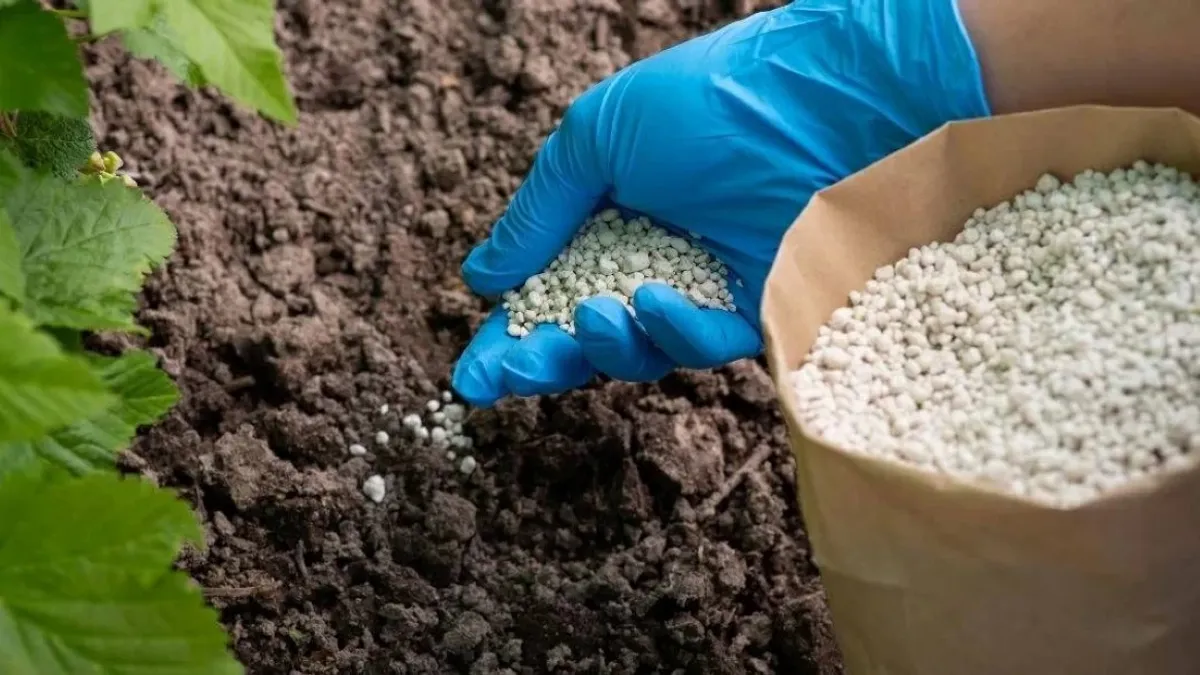
At the Wittenberg facility, a warehouse is filled with towering piles of urea, a key ingredient in fertilizers, emitting a strong odor. The plant is Germany’s leading producer of urea, with a 23-kilometer rail network extending across its 220-hectare site for transporting urea, ammonia, and finished fertilizers primarily within Germany and to other parts of Europe. With shipping through the Strait of Hormuz halted due to Iranian restrictions and U.S. sanctions on Iranian ports, the plant has ramped up production to compensate for the loss of competitors’ exports.
However, profits are not rising in tandem with production, as the energy crisis stemming from the Middle East conflict has led to a dramatic increase in production costs. The company anticipates a revenue increase of 10 to 20% this year, although these estimates are uncertain due to market volatility. SKW’s CEO, Karsten Frantke, stated that the company is not seeking to profit from the war, predicting no gains as gas prices have doubled since the onset of the conflict on February 28, which accounts for approximately 80% of production costs.
Consequences for Farmers and Food Security
In Baden-Württemberg, approximately 500 kilometers south, farmer Gerhard Gaivitz primarily grows grains, relying on nitrogen fertilizers to enrich his soil. He reported to AFP that the prices for fertilizers from his suppliers have surged by 50% since the outbreak of the Middle East war. Farmers are forced to absorb these increased costs themselves, as they cannot pass them on to consumers due to the stability of global grain prices.
Gaivitz warned that if the conflict persists, Europe could face a fertilizer crisis by next year, prompting him to stockpile supplies before prices escalated further. The German Fertilizer Producers Association has cautioned that without local production and competitive agriculture, Europe’s food security is at serious risk, noting that several plants have closed in recent years.
Call for Policy Reforms
This crisis has reignited discussions about Europe’s reliance on external suppliers for raw materials and its competitiveness against foreign competitors who are not bound by the same environmental regulations. Frantke, along with other industry leaders, is calling for reforms to the carbon market system aimed at controlling greenhouse gas emissions, which impose additional costs on production. The European Commission has indicated that it is reviewing this issue.
Frequently Asked Questions
What is causing the rise in fertilizer prices in Germany?
The rise in fertilizer prices is primarily due to geopolitical tensions, particularly the closure of the Strait of Hormuz, leading to increased production costs.
How has the conflict in the Middle East affected German farmers?
German farmers are facing increased costs for fertilizers, with prices rising by 50%, which they cannot pass on to consumers due to stable grain prices.
What is the significance of the Wittenberg plant?
The Wittenberg plant is a key facility for fertilizer production in Germany, crucial for domestic supply amid global disruptions.
What measures are being discussed to address the fertilizer crisis?
Industry leaders are calling for reforms to the carbon market system to reduce additional production costs and enhance competitiveness.